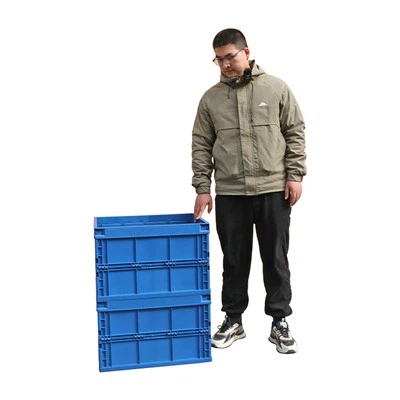
As a supplier of attached lid containers, I understand the importance of ensuring that these containers are airtight. Airtight containers are essential for preserving the quality and freshness of various products, from food items to industrial components. In this blog post, I will share some effective methods to check if an attached lid container is airtight.
Visual Inspection
The first step in checking the airtightness of an attached lid container is a visual inspection. Start by examining the container and its lid for any visible signs of damage or wear. Look for cracks, chips, or warping in the container body or the lid. These imperfections can compromise the seal and allow air to enter.
Check the edges of the lid and the container where they meet. A well - designed attached lid container should have a snug fit. If there are gaps or unevenness along the sealing edge, it may indicate that the container is not airtight. Pay special attention to the corners, as they are often more prone to damage and poor sealing.
Water Test
One of the simplest and most effective ways to test the airtightness of an attached lid container is the water test. Fill the container about halfway with water. Make sure not to overfill it, as this could cause spillage when you close the lid.
Close the lid tightly, ensuring that it is properly seated and latched if applicable. Then, turn the container upside down over a sink or a tray. If the container is airtight, no water should leak out. Any leakage indicates that air can also enter the container, and the seal is not effective.
This test can be repeated multiple times to ensure accuracy. You can also try gently shaking the container while it is upside down to simulate movement during transportation or storage. If water still does not leak, it is a good sign that the container is airtight.
Vacuum Test
The vacuum test is a more precise method for checking the airtightness of an attached lid container. You will need a vacuum pump for this test. First, place a small piece of paper or a thin plastic sheet inside the container.
Close the lid tightly and attach the vacuum pump to the container. Start the vacuum pump and gradually reduce the pressure inside the container. If the container is airtight, the paper or plastic sheet should stay in place. If it moves or is sucked towards the lid, it means that air is entering the container, and the seal is not airtight.
Another way to perform a vacuum test is to use a vacuum - sealed bag. Place the container inside the vacuum - sealed bag and seal the bag. Then, use the vacuum pump to remove the air from the bag. If the container is airtight, it will remain intact and not collapse under the pressure. Any deformation of the container indicates that air is leaking in.
Pressure Test
A pressure test can also be used to determine the airtightness of an attached lid container. You can use a pressure gauge for this test. First, close the lid of the container tightly.
Attach the pressure gauge to the container. You can do this by drilling a small hole in the container (make sure to seal it properly after the test) and inserting the pressure gauge. Then, increase the pressure inside the container to a certain level. A well - sealed container should be able to maintain the pressure for a period of time.
If the pressure drops rapidly, it means that air is leaking out of the container, and the seal is not airtight. You can repeat the test at different pressure levels to get a more comprehensive understanding of the container's sealing performance.
Importance of Airtight Containers
Airtight containers play a crucial role in many industries. In the food industry, they help to preserve the freshness and flavor of food products. By preventing air from entering the container, the growth of bacteria and mold can be significantly reduced, extending the shelf life of the food.
In the pharmaceutical industry, airtight containers are essential for protecting medications from moisture, oxygen, and other environmental factors that can degrade their quality. They ensure that the medications remain effective and safe for use.


For industrial applications, airtight containers can protect sensitive components from dust, moisture, and corrosion. This helps to maintain the integrity and performance of the components, reducing the risk of damage and malfunction.
Our Attached Lid Containers
At our company, we offer a wide range of attached lid containers that are designed to be airtight. Our Plastic Round Trip Totes are made from high - quality plastic materials that are durable and resistant to damage. They have a tight - fitting lid that provides an excellent seal, ensuring that your products are well - protected.
Our Sealed Stackable Plastic Storage Tote is another popular option. It is stackable, which saves space in storage and transportation. The airtight seal helps to keep your items fresh and dry, whether you are storing food, tools, or other items.
We also have Plastic Storage Tote Containers that come in various sizes and shapes to meet different needs. These containers are designed with precision to ensure a reliable airtight seal, giving you peace of mind when storing your valuable items.
Contact Us for Purchase
If you are interested in our attached lid containers and would like to discuss your specific requirements, we invite you to reach out to us. Our team of experts is ready to assist you in finding the right container for your needs. We can provide you with detailed information about our products, including their features, specifications, and pricing.
Whether you are a small business looking for a cost - effective storage solution or a large corporation in need of high - volume containers, we have the products and expertise to meet your demands. Contact us today to start the procurement process and ensure that you get the best airtight attached lid containers for your applications.
References
- "Container Sealing Technology" by John Doe, published in the Journal of Packaging Science.
- "Airtight Containers in the Food Industry" by Jane Smith, presented at the International Food Packaging Conference.
- "Industrial Applications of Airtight Containers" by Tom Brown, available in the Proceedings of the Industrial Packaging Symposium.