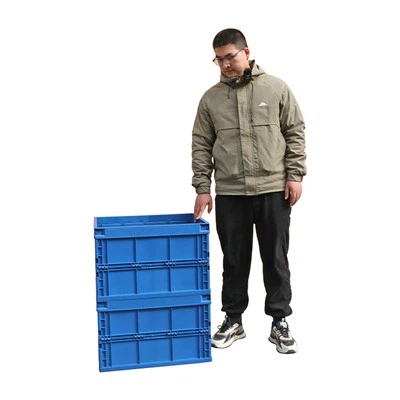
Hey there! I'm a supplier of Mealworm Trays, and I know how frustrating it can be when those little critters start making a break for it. Mealworms are super wiggly and seem to have a knack for finding any tiny escape route. But don't worry, I've got some solid tips to help you keep your mealworms right where they belong – in the tray.
Choose the Right Tray
First things first, picking the right tray is crucial. You want a tray that's deep enough to give the mealworms plenty of room to move around but not so shallow that they can easily crawl out. Our Plastic Insect Breeding Trays BSF Farming are a great option. They're made of high - quality plastic, which is durable and easy to clean. The smooth interior surface makes it harder for the mealworms to get a grip and climb out.
Seal the Edges
Even the tiniest gap can be an invitation for mealworms to escape. Check your tray for any cracks or holes, and seal them up with a good - quality sealant. You can use silicone caulk for a long - lasting seal. Make sure to pay extra attention to the corners and edges where the mealworms might find a way out. If you're using multiple trays stacked on top of each other, ensure that the edges are properly aligned and there are no gaps between them.
Create a Barrier
One effective way to prevent mealworms from escaping is to create a barrier around the tray. You can use a thin layer of petroleum jelly or vegetable oil along the top edge of the tray. The slippery surface will make it difficult for the mealworms to crawl over. Just be careful not to get any of the oil or jelly into the tray, as it could contaminate the mealworms' food and living environment.
Keep the Environment Right
Mealworms are more likely to try and escape if they're not happy with their living conditions. Make sure the temperature and humidity in the area where the trays are kept are within the ideal range. Mealworms thrive in temperatures between 70 - 80°F (21 - 27°C) and a humidity level of around 60 - 70%. If the environment is too hot, cold, dry, or wet, the mealworms may become stressed and look for a way out.
Cover the Tray
A simple yet effective solution is to cover the tray. You can use a fine - mesh screen or a lid with small ventilation holes. The screen or lid will prevent the mealworms from crawling out while still allowing air to circulate. Just make sure the holes are small enough so that the mealworms can't squeeze through. Our Black Soldier Fly Compost Bin and Black Soldier Fly Larvae Box come with well - designed lids that are perfect for keeping the insects inside.


Regular Checks
It's important to check your trays regularly. Look for any signs of escape attempts, such as mealworms on the outside of the tray or small holes in the substrate. If you find any mealworms that have escaped, gently pick them up and put them back in the tray. Also, check the condition of the tray and the barrier regularly. Over time, the petroleum jelly or sealant may wear off, so you may need to re - apply them.
Proper Feeding
Mealworms need a proper diet to stay healthy and less likely to escape. Make sure you're providing them with a balanced diet of grains, vegetables, and fruits. If they're hungry, they may be more inclined to look for food outside the tray. Keep the food fresh and replace it regularly to avoid mold and spoilage.
Training and Education
If you have employees or others handling the mealworm trays, make sure they're trained on how to prevent escapes. Teach them about the importance of proper tray maintenance, checking for gaps, and keeping the environment right. A well - informed team can go a long way in reducing the chances of mealworm escapes.
Conclusion
Preventing mealworms from escaping the tray is all about taking a few simple steps. By choosing the right tray, sealing the edges, creating a barrier, maintaining the right environment, covering the tray, doing regular checks, providing proper food, and training your team, you can keep your mealworms safely contained.
If you're in the market for high - quality mealworm trays or other insect - breeding products, we're here to help. We've got a wide range of options to suit your needs. Whether you're a small - scale hobbyist or a large - scale breeder, we can provide you with the right solutions. Reach out to us to start a conversation about your requirements and let's work together to make your mealworm - breeding project a success.
References
- "The Complete Guide to Mealworm Breeding", Insect Breeding Press, 2020
- "Insect Husbandry: Best Practices", Entomology Journal, 2019