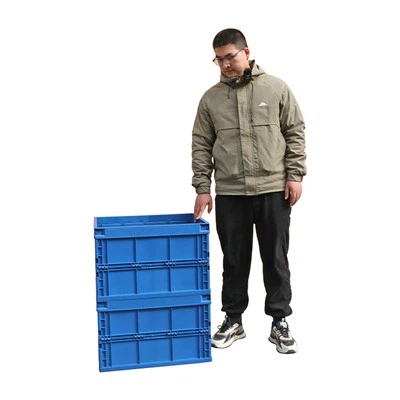
Transporting agricultural bulk containers can be a bit of a headache, but with the right know - how, it can be a smooth process. As an agricultural bulk container supplier, I've seen it all when it comes to transporting these containers, and I'm here to share some tips with you.
Understanding the Containers
First off, let's talk about the types of agricultural bulk containers we're dealing with. One of the popular ones is the Vented Collapsible Pallet Containers. These containers are a game - changer in the agricultural industry. They're designed to provide proper ventilation for the agricultural products, which helps in keeping them fresh during transit. You can check out more about them Vented Collapsible Pallet Containers.
The collapsible feature is also a huge plus. When the containers are empty, they can be folded down, taking up a lot less space for return trips or storage. This not only saves on transportation costs but also reduces the overall carbon footprint associated with shipping.
Pre - transport Preparations
Before you even think about loading the containers onto a vehicle, there are some important preparations to be made.
Inspection: Thoroughly inspect the containers. Look for any signs of damage, such as cracks, holes, or broken parts. A damaged container can lead to product spillage or contamination during transit. If you find any issues, either repair the container or replace it with a new one.
Cleaning: Clean the containers inside and out. Agricultural products are sensitive, and any dirt or residue from previous loads can affect the quality of the new cargo. Use appropriate cleaning agents and make sure the containers are completely dry before loading.
Labeling: Clearly label the containers with information about the contents, including the type of agricultural product, quantity, and any special handling instructions. This helps the transporters know how to handle the containers properly and also makes it easier for customs and other regulatory authorities.
Choosing the Right Transportation Mode
The choice of transportation mode depends on several factors, including the distance, the type of agricultural product, and the urgency of delivery.
Trucks: Trucks are a popular choice for short - to medium - distance transportation. They offer flexibility in terms of pick - up and drop - off locations. You can also choose different types of trucks depending on the nature of the cargo. For example, refrigerated trucks are ideal for transporting perishable agricultural products like fruits and vegetables.
Trains: Trains are great for long - distance transportation of large volumes of agricultural bulk containers. They are more fuel - efficient than trucks and can handle a large number of containers at once. However, they may have limited pick - up and drop - off points, so you may need to arrange for additional local transportation.
Ships: If you're exporting agricultural products overseas, ships are the way to go. They can carry a massive amount of cargo and are relatively cost - effective for long - haul transportation. But shipping can be slow, so it's not suitable for highly perishable goods unless you have proper refrigeration and storage on board.
Loading and Securing the Containers
Proper loading and securing of the containers are crucial to prevent damage during transit.
Loading: When loading the containers, make sure to distribute the weight evenly. Uneven weight distribution can cause the vehicle or ship to become unstable and increase the risk of accidents. Stack the containers carefully, following the recommended stacking patterns to ensure maximum stability.
Securing: Use appropriate securing devices such as straps, ropes, and braces to keep the containers in place. On trucks, make sure the containers are firmly attached to the truck bed to prevent them from shifting during sudden stops or turns. On ships, use lashing systems to secure the containers to the deck.
Temperature and Humidity Control
Many agricultural products are sensitive to temperature and humidity changes. For example, fruits and vegetables need to be kept at a specific temperature range to prevent spoilage.
Refrigeration: As mentioned earlier, refrigerated trucks and ships can be used to maintain the right temperature for perishable goods. Make sure the refrigeration systems are working properly before loading the containers. Regularly monitor the temperature during transit to ensure it stays within the required range.
Ventilation: In addition to refrigeration, proper ventilation is also important. Vented containers, like the Vented Collapsible Pallet Containers, help in maintaining the right humidity levels and preventing the build - up of harmful gases.


Handling During Transit
During transit, there are some important handling procedures to follow to ensure the safety of the agricultural bulk containers.
Avoid Rough Handling: Transporters should be trained to handle the containers gently. Rough handling, such as dropping or throwing the containers, can cause damage to the products inside.
Regular Checks: Conduct regular checks on the containers during transit. Look for any signs of damage, leakage, or temperature changes. If any issues are detected, take immediate action to address them.
Unloading and Storage
Once the containers reach their destination, proper unloading and storage are essential.
Unloading: Unload the containers carefully, following the same safety procedures as loading. Make sure to use the right equipment, such as forklifts or pallet jacks, to avoid damage to the containers and the products.
Storage: Store the agricultural products in a suitable environment. If they need to be refrigerated, transfer them to a proper cold storage facility as soon as possible. Keep the storage area clean and well - ventilated.
Cost Considerations
Transporting agricultural bulk containers can be expensive, but there are ways to reduce costs without sacrificing quality.
Consolidation: If possible, consolidate multiple small shipments into one large shipment. This can reduce the overall transportation cost per unit.
Route Optimization: Choose the most efficient routes to minimize travel time and fuel consumption. Use mapping and routing software to find the best routes.
Regulatory Compliance
There are many regulations governing the transportation of agricultural products. Make sure you're aware of and comply with all relevant regulations, including customs requirements, food safety standards, and environmental regulations.
Conclusion
Transporting agricultural bulk containers is a complex process that requires careful planning and execution. By following the tips I've shared, you can ensure that your agricultural products are transported safely and efficiently. If you're in the market for high - quality agricultural bulk containers, I'd love to have a chat. Feel free to reach out to me for more information and to discuss your specific needs.
References
- Agricultural Transportation Handbook: A guide to best practices in transporting agricultural products.
- Industry reports on the latest trends in agricultural bulk container transportation.