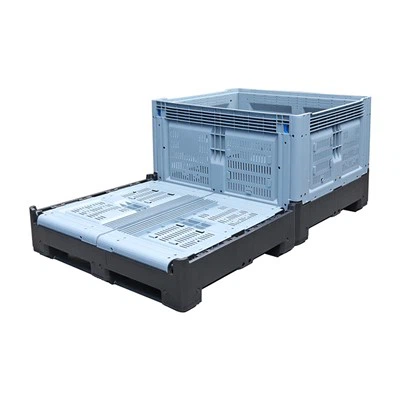
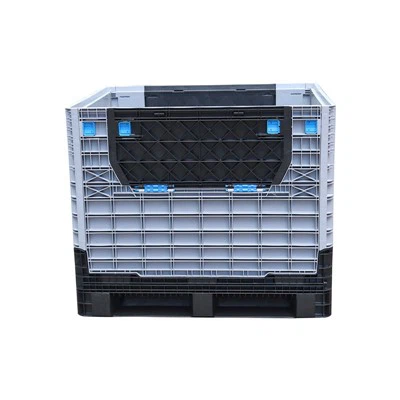
In the dynamic world of logistics, the choice of packaging and storage solutions can significantly impact efficiency, cost - effectiveness, and overall supply chain performance. As a KLT Box supplier, I've witnessed firsthand the versatility and indispensable role that KLT Boxes play in modern logistics operations. In this blog, we'll explore the various applications of KLT Boxes in logistics and understand why they are a preferred choice for many businesses.
1. Inventory Management
One of the primary applications of KLT Boxes in logistics is inventory management. These boxes are designed with standard dimensions, which allows for efficient stacking and storage in warehouses. Their uniform size ensures that they can fit seamlessly into automated storage and retrieval systems (ASRS). For example, in a large - scale e - commerce fulfillment center, KLT Boxes can be used to store individual items or small batches of products. The boxes can be labeled with barcodes or RFID tags, enabling easy tracking of inventory levels. This real - time visibility into inventory helps businesses optimize their stock levels, reduce overstocking or understocking, and improve order fulfillment rates.
The standardization of KLT Boxes also simplifies the process of inventory counting. Workers can quickly count the number of boxes in a storage area, and since each box has a known capacity, it becomes straightforward to calculate the total quantity of items in stock. This accuracy in inventory management reduces the risk of stockouts and improves customer satisfaction.
2. Material Handling
KLT Boxes are extremely useful in material handling operations. They are lightweight yet sturdy, making them easy to carry, lift, and move around. In a manufacturing plant, for instance, KLT Boxes can be used to transport raw materials from the storage area to the production line. Their smooth surfaces and ergonomic design make them comfortable to handle, reducing the risk of injuries to workers.
Moreover, KLT Boxes are often designed with handles or stacking features that facilitate easy movement using forklifts, pallet jacks, or conveyor systems. This seamless integration with material handling equipment streamlines the flow of goods within a facility, reducing the time and effort required to move products from one location to another.
3. Transportation
When it comes to transportation, KLT Boxes offer several advantages. Their stackable design allows for efficient use of space in trucks, trains, and shipping containers. This means that more products can be transported in a single shipment, reducing transportation costs per unit.
In addition, KLT Boxes are made of durable materials, such as high - density polyethylene (HDPE), which can withstand the rigors of transportation. They protect the contents from damage during transit, whether it's due to vibrations, shocks, or environmental factors. For international shipping, KLT Boxes can be easily secured and loaded onto shipping containers, ensuring that the products arrive at their destination in good condition.
4. Sorting and Distribution
In sorting and distribution centers, KLT Boxes play a crucial role. They can be used to group similar products together, making it easier to sort and distribute them to different destinations. For example, in a parcel sorting facility, KLT Boxes can be used to collect packages from different sources and then sort them based on their delivery addresses.
The use of KLT Boxes in sorting also enables the implementation of automated sorting systems. These systems can quickly identify the contents of each box and direct them to the appropriate conveyor belts or storage areas. This automation not only speeds up the sorting process but also reduces the likelihood of errors.


5. Quality Control
KLT Boxes can also contribute to quality control in logistics. Since they provide a standardized and protective environment for products, it becomes easier to inspect the items for damage or defects. For example, in a food processing facility, KLT Boxes can be used to store and transport food products. Workers can easily open the boxes and check the quality of the food items, ensuring that only high - quality products are sent to the market.
The transparency of some KLT Boxes also allows for visual inspection without having to open the box. This can save time and prevent unnecessary handling of products, reducing the risk of contamination or damage.
Comparison with Other Turnover Boxes
While KLT Boxes have many advantages, it's also important to compare them with other types of turnover boxes, such as EU Turnover Box and ST Turnover Box. EU Turnover Boxes are commonly used in Europe and are known for their large capacity and compatibility with European pallet sizes. They are often used in industries such as automotive and retail. ST Turnover Boxes, on the other hand, are more versatile and can be used in a wide range of applications.
However, KLT Boxes stand out due to their compact size, which makes them ideal for storing and transporting small to medium - sized items. Their standardization also allows for better integration with automated systems, which can lead to higher efficiency in logistics operations.
Conclusion
In conclusion, KLT Boxes have a wide range of applications in logistics, from inventory management and material handling to transportation, sorting, and quality control. Their standardization, durability, and ease of use make them an essential tool for businesses looking to optimize their supply chain operations.
If you're in the market for high - quality KLT Boxes or want to learn more about how they can benefit your logistics operations, we're here to help. Our team of experts can provide you with detailed information about our products and assist you in finding the right solution for your specific needs. Contact us to start a discussion about your procurement requirements and let's work together to improve your logistics efficiency.
References
- "Logistics Management: A Supply Chain Perspective" by Donald J. Bowersox, David J. Closs, and M. Bixby Cooper.
- "The Handbook of Logistics and Distribution Management" by Martin Christopher.