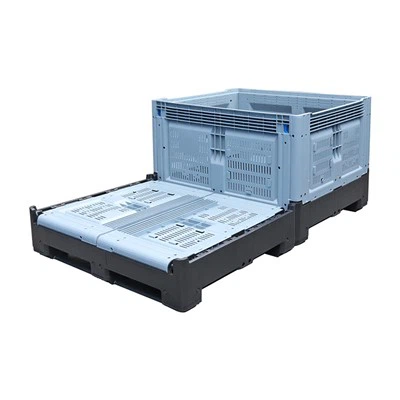
Are plastic crates resistant to chemicals? This is a question that often comes up in various industries, especially those dealing with the storage and transportation of chemical substances. As a plastic crate supplier, I have encountered numerous inquiries regarding the chemical resistance of plastic crates. In this blog, I will delve into the factors that determine the chemical resistance of plastic crates, the types of plastics commonly used, and the implications for different applications.
Factors Affecting Chemical Resistance
The chemical resistance of plastic crates depends on several factors, mainly the type of plastic, the nature of the chemical, and the environmental conditions. Different plastics have different molecular structures, which determine their ability to withstand chemical attacks. For example, plastics with strong, stable chemical bonds are generally more resistant to chemicals than those with weaker bonds.
The nature of the chemical also plays a crucial role. Some chemicals, such as acids, bases, solvents, and oxidizing agents, are more aggressive and can cause significant damage to plastic crates. The concentration, temperature, and exposure time of these chemicals also influence the degree of damage. High concentrations, elevated temperatures, and long - term exposure can accelerate the deterioration of plastic crates.
Environmental conditions, such as humidity, UV radiation, and mechanical stress, can also affect the chemical resistance of plastic crates. For instance, UV radiation can break down the molecular structure of plastics over time, making them more susceptible to chemical attacks. Mechanical stress can cause cracks and scratches on the surface of the crates, providing pathways for chemicals to penetrate and cause damage.
Types of Plastics Used in Plastic Crates and Their Chemical Resistance
Polyethylene (PE)
Polyethylene is one of the most commonly used plastics in plastic crates. It is known for its good chemical resistance, especially against non - polar solvents, acids, and bases at low to moderate concentrations. High - density polyethylene (HDPE) has a higher density and stronger intermolecular forces compared to low - density polyethylene (LDPE), which gives it better chemical resistance. HDPE is often used in applications where the crates need to store and transport chemicals such as detergents, fertilizers, and some mild acids.


Polypropylene (PP)
Polypropylene is another popular choice for plastic crates. It has excellent chemical resistance to a wide range of chemicals, including acids, bases, and many organic solvents. PP is more rigid and has a higher melting point than PE, which makes it suitable for applications where the crates are exposed to higher temperatures and more aggressive chemicals. For example, in the chemical and pharmaceutical industries, PP crates are often used to store and transport chemicals and drugs.
Polyvinyl Chloride (PVC)
PVC is a versatile plastic with moderate chemical resistance. It is resistant to many acids, bases, and salts, but it can be attacked by some organic solvents, such as ketones and esters. PVC is often used in applications where the crates need to be resistant to moisture and some common chemicals, such as in the food and beverage industry for storing and transporting products.
Applications and Chemical Resistance Requirements
Chemical Industry
In the chemical industry, plastic crates need to have high chemical resistance to store and transport a variety of chemicals. For example, when storing strong acids like sulfuric acid or strong bases like sodium hydroxide, crates made of highly chemical - resistant plastics such as polypropylene are essential. Our ST Turnover Box made of high - quality polypropylene is a great choice for such applications. It can withstand the corrosive effects of many chemicals and ensure the safe storage and transportation of chemical products.
Food and Beverage Industry
In the food and beverage industry, plastic crates are used to store and transport products such as fruits, vegetables, and beverages. The crates need to be resistant to food - related chemicals, such as acids in fruits and cleaning agents used for sanitization. Polyethylene crates are commonly used in this industry due to their good chemical resistance to these substances and their compliance with food - contact regulations. Our 600400350mm AS/RS Warehouse Plastic Turnover Box is designed to meet the requirements of the food and beverage industry, ensuring the safety of the products during storage and transportation.
Agriculture and Horticulture
In agriculture and horticulture, plastic crates are used for storing and transporting fertilizers, pesticides, and harvested produce. The crates need to be resistant to the chemicals in fertilizers and pesticides. Polypropylene crates are a good option as they can withstand the chemical properties of these substances. Our 600400280mm AS/RS Warehouse Plastic Turnover is suitable for this application, providing reliable storage and transportation solutions for the agricultural and horticultural sectors.
Waste Management
In waste management, plastic crates are used to collect and transport different types of waste, including chemical waste. The crates need to have good chemical resistance to prevent the leakage of chemicals and ensure the safety of the environment. HDPE crates are often used in this application because of their resistance to a wide range of chemicals. Our EUO Folding Crate 600400148mm is a practical choice for waste management, as it can be easily folded for storage when not in use and can withstand the chemical properties of various waste materials.
Insect Rearing and Composting
Insect rearing, such as for black soldier fly composting, requires plastic crates that can withstand the environment and any chemicals used in the process. Our Black Soldier Fly Compost Bin is made of plastic with appropriate chemical resistance to ensure the healthy growth of insects and the proper decomposition of organic matter.
Testing and Certification
To ensure the chemical resistance of plastic crates, it is important to conduct proper testing. There are various international standards and testing methods available, such as ASTM (American Society for Testing and Materials) and ISO (International Organization for Standardization). These standards specify the procedures for testing the chemical resistance of plastics under different conditions.
Certification from relevant authorities can also provide assurance of the quality and chemical resistance of plastic crates. When choosing plastic crates, customers should look for products that have been tested and certified according to recognized standards.
Conclusion and Call to Action
In conclusion, the chemical resistance of plastic crates is a complex issue that depends on multiple factors such as the type of plastic, the nature of the chemicals, and the environmental conditions. Different industries have different requirements for the chemical resistance of plastic crates, and choosing the right type of crate is crucial for ensuring the safety and efficiency of storage and transportation.
As a plastic crate supplier, I am committed to providing high - quality plastic crates with excellent chemical resistance to meet the diverse needs of our customers. If you are in need of plastic crates for any application, please feel free to contact us for more information and to discuss your specific requirements. We are here to offer you the best solutions and products.
References
- ASTM International. (year). Standards related to chemical resistance testing of plastics.
- ISO. (year). International standards for plastic materials and testing their properties.
- Schilling, M. (year). Handbook of Plastic Materials and Technology. Wiley.