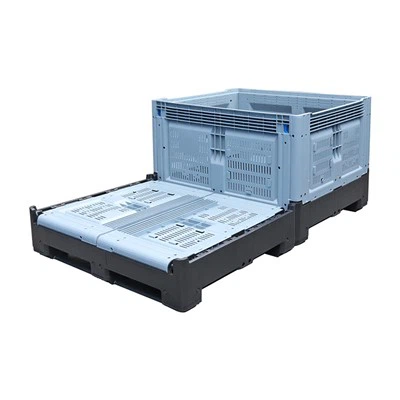
Can a plastic insect box be used for aquatic insects? This is a question that I, as a plastic insect box supplier, get asked quite often. In this blog, I'll share my thoughts and experiences on this topic.
First off, let's talk about what plastic insect boxes are. We offer a variety of them, like the Black Soldier Fly Box, Black Soldier Fly Compost Bin, Mealworm Tray, Black Soldier Fly Larvae Box, and Insect Boxes for Breeding Mealworms. These boxes are designed to provide a suitable environment for insects to live and breed. They're made of plastic, which is durable, easy to clean, and can be customized to meet different needs.
Now, when it comes to using these plastic insect boxes for aquatic insects, there are a few things to consider.
Advantages of Using Plastic Insect Boxes for Aquatic Insects
1. Durability
Plastic is a tough material. It can withstand the constant exposure to water without easily breaking down. Unlike some wooden or cardboard containers that can get soggy and fall apart when in contact with water, plastic insect boxes will stay intact. This is great for long - term use when housing aquatic insects.
2. Customizability
We can design the plastic insect boxes to have different shapes, sizes, and features. For example, if you're dealing with certain types of aquatic insects that need a lot of vertical space, we can make taller boxes. Or, if you need boxes with specific holes or compartments for ventilation or water circulation, we can customize them accordingly.
3. Ease of Cleaning
Cleaning is a crucial aspect when it comes to keeping insects healthy. Plastic is non - porous, which means it's easy to wipe clean. You can use a simple disinfectant to clean the box and remove any debris, bacteria, or fungi that might build up over time. This helps in maintaining a clean and hygienic environment for the aquatic insects.
Disadvantages of Using Plastic Insect Boxes for Aquatic Insects
1. Lack of Oxygen Exchange
One of the main issues with using plastic boxes for aquatic insects is the limited oxygen exchange. Plastic is not a breathable material like some natural substances. Aquatic insects need oxygen to survive, and if the box doesn't allow for proper oxygen transfer, it can lead to low oxygen levels in the water. This can be harmful to the insects and may even cause them to die.
2. Temperature Regulation
Plastic can heat up quickly in direct sunlight. If the box is placed in a sunny spot, the water inside can become too warm for the aquatic insects. On the other hand, in cold environments, plastic doesn't insulate well, and the water temperature can drop rapidly. Maintaining a stable temperature is essential for the well - being of aquatic insects, and plastic boxes may not be the best at this.
3. Chemical Leaching
Some plastics may leach chemicals into the water over time. These chemicals can be toxic to the aquatic insects. It's important to use high - quality, food - grade plastics to minimize this risk, but it's still a concern that needs to be addressed.
Modifying Plastic Insect Boxes for Aquatic Use
If you decide to use a plastic insect box for aquatic insects, there are some modifications you can make to overcome the disadvantages.
1. Oxygenation
You can add an air pump and air stones to the box. The air pump will push air through the air stones, creating bubbles in the water. These bubbles help to increase the oxygen content in the water, ensuring that the aquatic insects have enough oxygen to breathe.
2. Temperature Control
You can use a water heater or a cooling device to regulate the water temperature. A small submersible heater can be used to keep the water warm in cold environments, while a small fan or a cooling pad can be used to cool the water in hot environments.


3. Preventing Chemical Leaching
As mentioned earlier, use high - quality plastics. You can also line the inside of the box with a non - toxic liner, such as a food - grade silicone liner. This will act as a barrier between the plastic and the water, reducing the risk of chemical leaching.
Case Studies
I've had customers who have used our plastic insect boxes for aquatic insects. One customer was breeding water beetles. They started with a standard Mealworm Tray and made some modifications. They added an air pump and air stones to increase oxygen levels, and they used a small water heater to keep the water at a stable temperature. The water beetles thrived in the modified box, and the customer was able to successfully breed them.
Another customer used a Black Soldier Fly Larvae Box for some small aquatic bugs. They faced some issues with temperature regulation at first, but after adding a cooling fan, the problem was solved. The bugs were healthy and continued to grow and reproduce.
Conclusion
So, can a plastic insect box be used for aquatic insects? The answer is yes, but with some considerations and modifications. While plastic insect boxes have their advantages in terms of durability, customizability, and ease of cleaning, they also have some drawbacks related to oxygen exchange, temperature regulation, and chemical leaching. By making the necessary modifications, you can create a suitable environment for aquatic insects in a plastic insect box.
If you're interested in using our plastic insect boxes for your aquatic insect - breeding needs, or if you have any questions about customizing the boxes, feel free to reach out. We're here to help you find the best solution for your specific requirements. Let's start a conversation about how we can work together to create the perfect environment for your insects.
References
- Smith, J. (2018). "Aquatic Insect Husbandry". Journal of Insect Science.
- Johnson, A. (2019). "Plastic Materials in Insect Rearing". Insect Rearing Today.