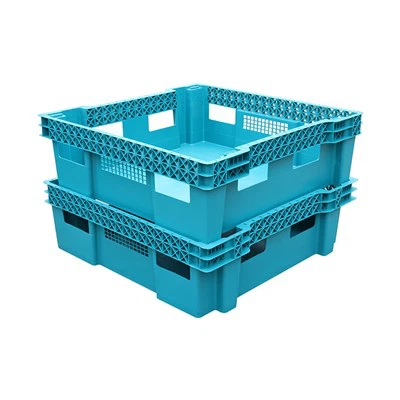
Are ST Turnover Boxes resistant to chemicals?
As a supplier of ST Turnover Boxes, I often get asked about their chemical resistance. Chemical resistance is a crucial factor, especially in industries where these boxes are used to store and transport various substances. In this blog, I'll delve into the details of whether ST Turnover Boxes can withstand different chemicals and how this feature impacts their practical use.
Understanding ST Turnover Boxes
ST Turnover Boxes are widely used in automated storage and retrieval systems due to their durability, standardization, and efficiency. They are designed to optimize space utilization and streamline logistics operations. You can learn more about ST Turnover Boxes here.
These boxes are typically made from high - quality plastics, which play a significant role in determining their chemical resistance. The plastic materials are selected for their mechanical properties, such as strength and impact resistance, as well as their ability to resist chemical attack.
Factors Affecting Chemical Resistance
-
Type of Plastic Material
The plastic used in ST Turnover Boxes can vary, with common types including polyethylene (PE), polypropylene (PP), and acrylonitrile - butadiene - styrene (ABS). Each of these plastics has different chemical resistance profiles.

- Polyethylene (PE): PE is known for its good resistance to many non - polar solvents, such as hydrocarbons. It is also resistant to water and weak acids and bases. However, it may be susceptible to attack by strong oxidizing agents.
- Polypropylene (PP): PP has excellent chemical resistance, especially to organic solvents, acids, and bases. It can withstand a wide range of temperatures and is less likely to be affected by environmental stress cracking compared to some other plastics.
- Acrylonitrile - butadiene - styrene (ABS): ABS offers a good balance of mechanical and chemical properties. It has moderate resistance to many chemicals, but it may be sensitive to certain solvents, such as ketones and chlorinated hydrocarbons.
-
Concentration and Temperature of Chemicals
The concentration of the chemical and the temperature at which the contact occurs also have a significant impact on the chemical resistance of ST Turnover Boxes. Higher concentrations of chemicals and elevated temperatures can accelerate the degradation of the plastic material. For example, a low - concentration acid may have little effect on a PP - made ST Turnover Box at room temperature, but a high - concentration acid at an elevated temperature could cause the plastic to soften, crack, or lose its mechanical strength. -
Duration of Contact
The longer the ST Turnover Box is in contact with a chemical, the greater the chance of chemical attack. Prolonged exposure can lead to cumulative damage, such as swelling, discoloration, or loss of structural integrity.
Testing Chemical Resistance
To ensure the reliability of ST Turnover Boxes in chemical - containing environments, various testing methods are employed.
- Immersion Tests
In immersion tests, samples of the ST Turnover Box material are immersed in different chemicals for a specified period. The samples are then evaluated for changes in weight, dimensions, appearance, and mechanical properties. For example, if a sample shows a significant increase in weight after immersion in a chemical, it may indicate that the chemical has been absorbed by the plastic, which could lead to swelling and reduced strength. - Exposure Tests
Exposure tests involve exposing the ST Turnover Boxes to the actual working environment where they will be used. This allows for a more realistic assessment of their chemical resistance. For instance, in a chemical manufacturing plant, the boxes are placed in areas where they are likely to come into contact with different chemicals during normal operations. The boxes are then monitored over time for any signs of damage or degradation.
Chemical Resistance in Different Industries
- Food and Beverage Industry
In the food and beverage industry, ST Turnover Boxes are used to store and transport raw materials, semi - finished products, and finished goods. They need to be resistant to food - grade chemicals, such as cleaning agents and sanitizers. Most ST Turnover Boxes made from PE or PP are suitable for this industry as they can withstand the mild chemicals used in food processing and cleaning operations. - Chemical and Pharmaceutical Industry
The chemical and pharmaceutical industry requires high - level chemical resistance. ST Turnover Boxes used in this industry need to be able to handle a wide range of chemicals, including strong acids, bases, and solvents. Special - grade plastics or coated boxes may be used to ensure the necessary chemical resistance. For example, some boxes are coated with a chemical - resistant layer to protect the underlying plastic from corrosion. - Automotive Industry
In the automotive industry, ST Turnover Boxes are used to store and transport automotive parts. They may come into contact with various chemicals, such as lubricants, coolants, and degreasers. The boxes need to be resistant to these chemicals to prevent damage to the parts and ensure the longevity of the boxes.
Comparison with Other Types of Turnover Boxes
- KLT Box
KLT Boxes are another type of turnover box commonly used in industrial applications. You can find more information about KLT Boxes here. While KLT Boxes also offer good chemical resistance, the specific plastic materials and design features may differ from ST Turnover Boxes. In some cases, KLT Boxes may be more suitable for certain chemical environments, depending on the requirements. - HP Turnover Box
HP Turnover Boxes are designed for high - performance applications. You can learn about HP Turnover Boxes here. They are often made from more advanced plastic materials, which may provide enhanced chemical resistance compared to standard ST Turnover Boxes. However, the cost of HP Turnover Boxes may be higher, and the choice between ST and HP Turnover Boxes depends on the specific chemical exposure and budget constraints.
Conclusion
In general, ST Turnover Boxes can offer good chemical resistance, but it depends on the type of plastic material, the concentration and temperature of the chemicals, and the duration of contact. By understanding these factors and conducting appropriate testing, we can ensure that the ST Turnover Boxes are suitable for the intended chemical - containing environments.
If you are in need of ST Turnover Boxes for your business and want to discuss their chemical resistance requirements, feel free to reach out. We can provide you with detailed information and help you select the most appropriate boxes for your specific application.
References
- Plastics Industry Handbook: Chemical Resistance of Plastics
- ASTM Standards for Testing the Chemical Resistance of Plastics