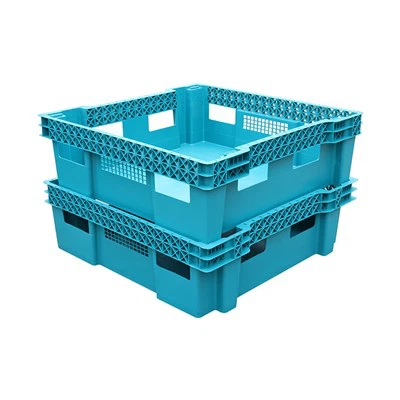
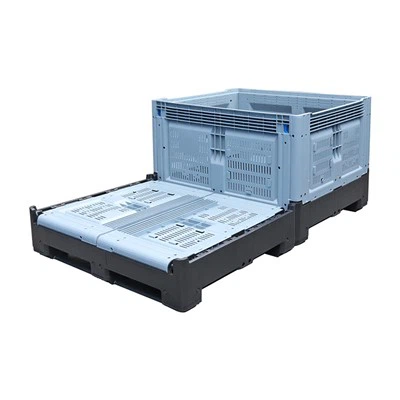
Hey there, fellow insect enthusiasts and plastic insect box users! As a supplier of top - quality plastic insect boxes, I've seen firsthand how important it is to store these boxes properly when they're not in use. In this blog, I'm gonna share some tips on how you can keep your plastic insect boxes in great condition for future use.
1. Clean Before Storage
The first and most crucial step in storing your plastic insect boxes is to give them a thorough clean. Insects can leave behind waste, food debris, and even shed exoskeletons. If you don't clean these boxes, you risk the growth of mold, bacteria, and other harmful microorganisms.
Start by emptying the box of any live insects, food, or bedding. Then, use a mild detergent and warm water to wash the box inside and out. A soft - bristled brush can be really handy for getting into the corners and crevices. Rinse the box thoroughly to make sure all the soap is gone. You can soak the box for a few minutes in a solution of one part vinegar to three parts water to remove any stubborn stains or odors. After that, let the box air - dry completely. This might take a few hours, depending on the size of the box and the humidity in the air.
2. Choose the Right Storage Location
Once your plastic insect boxes are clean and dry, it's time to find a good place to store them. You want to pick a location that's cool, dry, and away from direct sunlight. Sunlight can cause the plastic to fade, become brittle, and even crack over time.
A basement or a garage can be a good option, as long as they're not prone to flooding or excessive moisture. If you're storing the boxes in a basement, make sure to put them on shelves or pallets to keep them off the floor. This helps prevent them from getting wet if there's any water seepage.
If you don't have a basement or garage, a closet in your house can work too. Just make sure the closet isn't near a heater or a window where the boxes could be exposed to heat or sunlight.
3. Stacking and Organizing
When it comes to stacking your plastic insect boxes, you need to be careful. Stacking them too high can cause the bottom boxes to warp or crack under the weight. It's a good idea to stack them in a way that distributes the weight evenly.
If your boxes are different sizes, stack the larger ones on the bottom and the smaller ones on top. You can also use dividers or spacers between the boxes to prevent them from rubbing against each other and causing scratches. Labeling the boxes can be super helpful, especially if you have different types of insect boxes, like Black Soldier Fly Compost Bin, Mealworm Tray, or Black Soldier Fly Larvae Box. This way, you can easily find the box you need when you're ready to use it again.
4. Protect from Pests
Even though the boxes are empty, you still need to protect them from pests. Mice, rats, and insects can chew on the plastic, leaving holes and making the boxes unusable. You can use pest - proof containers or storage bags to keep the boxes safe.


Some people like to use mothballs or cedar chips to deter pests. However, make sure the mothballs or cedar chips don't come into direct contact with the plastic boxes, as they could potentially damage the plastic. Another option is to use a natural pest repellent, like peppermint oil. Just soak a cotton ball in peppermint oil and place it near the boxes.
5. Check Regularly
It's a good idea to check your stored plastic insect boxes regularly, especially if they're stored for a long time. Every few months, take a look at the boxes to make sure there are no signs of damage, mold, or pests.
If you notice any issues, address them right away. For example, if you see a small crack in a box, you might be able to repair it with a plastic adhesive. If there's mold, clean the box again and make sure the storage area is more dry.
6. Consider the Type of Insect Box
Different types of plastic insect boxes might have specific storage requirements. For instance, Insect Boxes for Breeding Mealworms might need to be stored in a more ventilated area because mealworms produce a lot of waste and moisture. On the other hand, Plastic Insect Breeding Trays BSF Farming might need to be stored flat to prevent warping.
So, before you store your boxes, think about what kind of insects they were used for and what the best storage conditions would be.
Why Proper Storage Matters
Proper storage of your plastic insect boxes isn't just about keeping them in good condition. It also saves you money in the long run. When you store your boxes correctly, they'll last longer, and you won't have to replace them as often.
Plus, if you're a commercial insect breeder, having well - stored and well - maintained boxes can make your operation more efficient. You'll be able to quickly find the boxes you need and get back to breeding insects without any hassle.
Conclusion
Storing your plastic insect boxes when not in use doesn't have to be complicated. By following these simple steps - cleaning the boxes before storage, choosing the right location, stacking and organizing them properly, protecting them from pests, checking them regularly, and considering the type of box - you can ensure that your boxes stay in great condition for years to come.
If you're looking for high - quality plastic insect boxes for your insect - rearing needs, or if you have any questions about storage or our products, don't hesitate to reach out. We're always here to help you get the best out of your insect - breeding experience. Whether you're just starting out or you're a seasoned pro, our range of insect boxes can meet your requirements. So, let's start a conversation and see how we can help you with your insect - breeding project.
References
- General knowledge on plastic storage and insect breeding