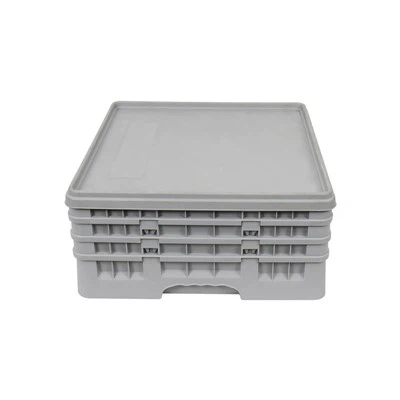
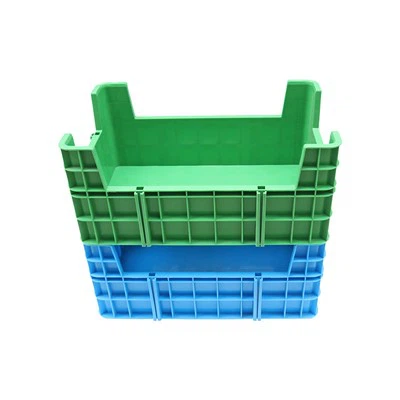
In the world of logistics and storage, the question of whether vented bulk containers can be used for fragile items is a crucial one. As a supplier of vented bulk containers, I've encountered this query numerous times from clients across various industries. In this blog, I'll delve into the feasibility of using vented bulk containers for fragile items, exploring the advantages, potential challenges, and best practices.
Advantages of Using Vented Bulk Containers for Fragile Items
Ventilation and Temperature Control
One of the primary benefits of vented bulk containers is their ability to provide adequate ventilation. Fragile items, especially those sensitive to temperature and humidity, can benefit significantly from the airflow that vented containers offer. For example, certain types of glassware or electronic components may be prone to damage if exposed to high humidity or heat. The ventilation in these containers helps to regulate the internal environment, reducing the risk of condensation and mold growth, which can potentially harm fragile items.
Visibility and Inspection
Vented containers allow for easy visual inspection of the contents without having to open the container fully. This is particularly useful for fragile items, as it minimizes the handling and potential damage that can occur during frequent opening and closing. For instance, in the art and collectibles industry, where items are often delicate and valuable, the ability to quickly check the condition of the pieces without disturbing them is highly advantageous.
Lightweight and Stackable
Vented bulk containers are typically lightweight, making them easier to handle and transport. This is important when dealing with fragile items, as excessive weight can increase the risk of damage during handling. Additionally, these containers are often stackable, which maximizes storage space and reduces the likelihood of items being crushed or damaged due to improper stacking.
Potential Challenges
Protection from Impact
While vented bulk containers offer many benefits, they may not provide the same level of impact protection as fully enclosed containers. The perforations in the container walls can make it more vulnerable to external impacts. For fragile items, this means that additional cushioning or protective materials may be required to prevent damage during transportation and handling.


Dust and Debris
The ventilation holes in vented containers can allow dust and debris to enter, which may pose a risk to fragile items. This is especially true for items that are sensitive to dust, such as optical lenses or precision instruments. To mitigate this risk, it may be necessary to use additional protective covers or liners inside the container.
Best Practices for Using Vented Bulk Containers with Fragile Items
Choose the Right Container
Selecting the appropriate vented bulk container is crucial. Consider the size, shape, and material of the container based on the specific requirements of the fragile items. For example, if you're transporting delicate glassware, a container with a smooth interior and rounded corners can help prevent scratches and breakage.
Use Adequate Cushioning
To protect fragile items from impact, use appropriate cushioning materials such as foam inserts, bubble wrap, or packing peanuts. Place the cushioning material around the items to provide a buffer against shocks and vibrations.
Secure the Items
Ensure that the fragile items are securely placed inside the container to prevent movement during transportation. This can be achieved by using dividers, straps, or other securing mechanisms.
Label the Container
Clearly label the container as "Fragile" to alert handlers to take extra care. Include any specific handling instructions or precautions on the label.
Real-World Examples
Let's take a look at a real-world example of how vented bulk containers can be used for fragile items. A company that specializes in the production of high-end ceramic tableware uses vented bulk containers to transport their products. The ventilation in the containers helps to prevent the buildup of moisture, which can cause the ceramic to crack or warp. To protect the delicate pieces, the company uses custom-made foam inserts that fit snugly around each item. The containers are also labeled with clear instructions on how to handle the items, ensuring that they arrive at their destination in perfect condition.
Conclusion
In conclusion, vented bulk containers can be used for fragile items, but it's important to take the necessary precautions to ensure their safety. By understanding the advantages and potential challenges, and following best practices, you can effectively use vented bulk containers to transport and store fragile items. If you're in the market for vented bulk containers, Perforated Plastic Pallet Box offers a wide range of options to meet your needs.
If you're interested in learning more about our vented bulk containers or have any questions about using them for fragile items, please don't hesitate to contact us. We're here to help you find the best solution for your logistics and storage needs.
References
- "Logistics and Supply Chain Management" by Martin Christopher
- "Packaging for Fragile Items: Best Practices" by Packaging Digest