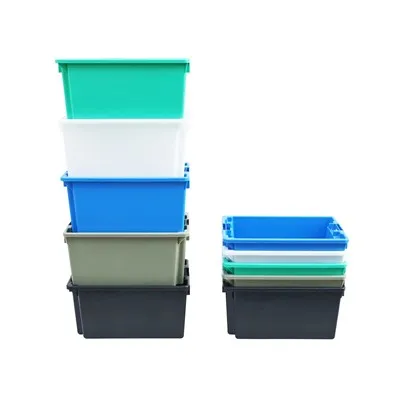
Hey there! As a KLT Box supplier, I often get asked about how to calculate the number of KLT Boxes needed for a project. It's a crucial question, especially when you're trying to plan your storage and logistics efficiently. In this blog post, I'll walk you through the process step by step.
Understanding KLT Boxes
First off, let's talk a bit about KLT Box. KLT Boxes are widely used in various industries for storing and transporting goods. They're known for their durability, stackability, and standard sizes, which make them a popular choice for automated storage and retrieval systems.
These boxes come in different sizes and capacities, so it's important to choose the right one for your project. The most common sizes are based on European standards, but there are also other options available to suit specific needs.
Factors to Consider
Before you start calculating the number of KLT Boxes, you need to consider several factors:
1. Volume of Goods
The first thing you need to know is the total volume of the goods you want to store or transport. This can be calculated by multiplying the length, width, and height of each item and then adding up the volumes of all the items. For example, if you have 10 items with a volume of 1 cubic foot each, the total volume is 10 cubic feet.
2. Box Size and Capacity
Once you know the total volume of your goods, you need to choose the appropriate KLT Box size. The capacity of a KLT Box is usually indicated in liters or cubic feet. Make sure to choose a box that can comfortably hold your goods without overfilling.
3. Stacking and Space Utilization
KLT Boxes are designed to be stacked, which helps maximize storage space. However, you need to consider the stacking height and weight limits to ensure the safety and stability of the stack. Also, think about how you'll arrange the boxes in your storage area to make the most of the available space.
4. Handling and Accessibility
Consider how you'll handle the boxes, such as loading and unloading. If you're using automated equipment, make sure the boxes are compatible with the equipment. Also, think about how easy it will be to access the goods when needed.
Calculating the Number of KLT Boxes
Now that you've considered all the factors, it's time to calculate the number of KLT Boxes needed. Here's a step-by-step process:
Step 1: Determine the Volume of Goods
As mentioned earlier, calculate the total volume of your goods. If your goods have irregular shapes, you may need to estimate the volume or break them down into smaller, regular shapes.
Step 2: Choose the Box Size
Select a KLT Box size that can accommodate your goods. You can refer to the product specifications or consult with us if you're not sure which size is best.
Step 3: Calculate the Number of Boxes
Divide the total volume of your goods by the capacity of the chosen KLT Box. For example, if your goods have a total volume of 100 cubic feet and the chosen box has a capacity of 10 cubic feet, you'll need 10 boxes.
However, keep in mind that you may need to round up the number of boxes to ensure you have enough space for all your goods. Also, consider any additional space needed for padding or packaging materials.
Step 4: Account for Stacking and Space Utilization
If you're planning to stack the boxes, make sure to account for the stacking height and weight limits. You may need to adjust the number of boxes based on the available storage space and the stacking configuration.
Example Calculation
Let's say you're a manufacturer and you need to store 500 small parts. Each part has a volume of 0.1 cubic feet, so the total volume of the parts is 50 cubic feet. You've chosen a KLT Box with a capacity of 5 cubic feet.
To calculate the number of boxes needed, divide the total volume of the parts by the capacity of the box: 50 cubic feet / 5 cubic feet = 10 boxes.
However, you also need to consider the stacking. If you can stack the boxes 5 high, you'll need to divide the number of boxes by the stacking height: 10 boxes / 5 = 2 stacks.
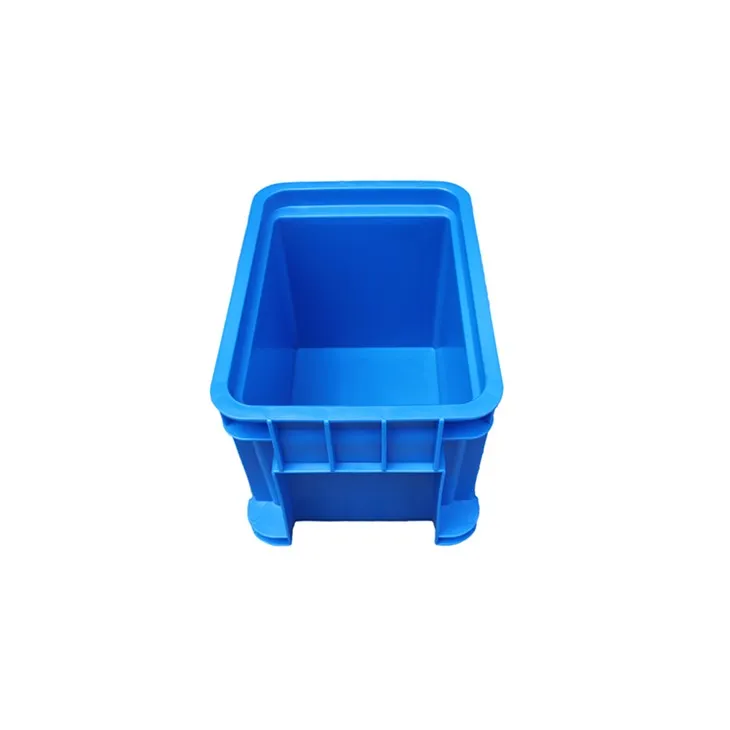

So, in this example, you'll need 10 KLT Boxes arranged in 2 stacks.
Other Considerations
In addition to the basic calculation, there are a few other things to keep in mind:
1. Future Growth
If you expect your business to grow in the future, it's a good idea to plan for additional storage space. You may want to order a few extra KLT Boxes to accommodate future needs.
2. Compatibility with Other Equipment
If you're using other equipment, such as automated storage and retrieval systems or conveyor belts, make sure the KLT Boxes are compatible. This will ensure smooth operation and efficient handling of your goods.
3. Quality and Durability
Choose high-quality KLT Boxes that can withstand the rigors of your industry. Look for boxes made from durable materials and with features such as reinforced corners and handles.
Conclusion
Calculating the number of KLT Boxes needed for a project is an important step in planning your storage and logistics. By considering the volume of your goods, the box size and capacity, stacking and space utilization, and other factors, you can ensure that you have the right number of boxes for your needs.
If you have any questions or need help with your KLT Box requirements, don't hesitate to reach out. We're here to assist you in finding the best solutions for your project. Whether you're looking for KLT Box, Automated Storage and Retrieval Tote Bin, or ST Turnover Box, we have a wide range of products to meet your needs.
Contact us today to discuss your project and get a quote. We look forward to working with you!
References
- Industry standards for KLT Boxes
- Product specifications from KLT Box manufacturers