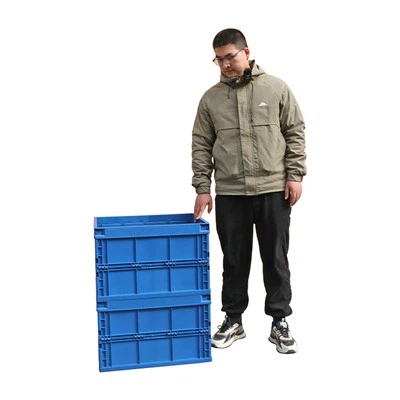
As a supplier of Black Soldier Fly Boxes, I often get asked whether our products can be effectively used in tropical climates. The short answer is yes, but there are some important factors to consider to ensure the successful operation of a black soldier fly (BSF) breeding system in such environments.

Understanding the Tropical Climate
Tropical climates are characterized by high temperatures, high humidity, and often distinct wet and dry seasons. The average temperature in tropical regions typically ranges from 20°C to 35°C (68°F to 95°F), with humidity levels frequently exceeding 70%. These conditions can have both positive and negative impacts on black soldier fly breeding.
Advantages of Tropical Climates for BSF Breeding
One of the main advantages of tropical climates is the warm temperatures, which are ideal for the growth and development of black soldier flies. BSFs thrive in temperatures between 25°C and 35°C (77°F and 95°F), and the consistent warmth in tropical regions can significantly speed up their life cycle. This means that you can expect faster larval growth, shorter pupation periods, and more rapid reproduction, leading to higher yields of BSF larvae.
Another benefit is the abundance of organic waste in tropical areas. With a rich agricultural sector and high population density in many tropical regions, there is a constant supply of food waste, manure, and other organic materials that can be used to feed BSF larvae. This not only provides a sustainable solution for waste management but also reduces the cost of feeding the flies.
Challenges of Tropical Climates for BSF Breeding
However, tropical climates also present some challenges for BSF breeding. The high humidity can lead to problems such as mold growth, which can contaminate the food source and harm the larvae. Excessive moisture can also cause the substrate to become too wet, making it difficult for the larvae to move and breathe.
In addition, tropical regions are often prone to heavy rainfall and flooding, which can damage the BSF breeding boxes and disrupt the breeding process. Pests and diseases are also more prevalent in tropical climates, posing a threat to the health and survival of the flies.
Adapting the Black Soldier Fly Box for Tropical Climates
To overcome these challenges and ensure the successful use of Black Soldier Fly Boxes in tropical climates, some modifications and adaptations may be necessary.
Ventilation and Drainage
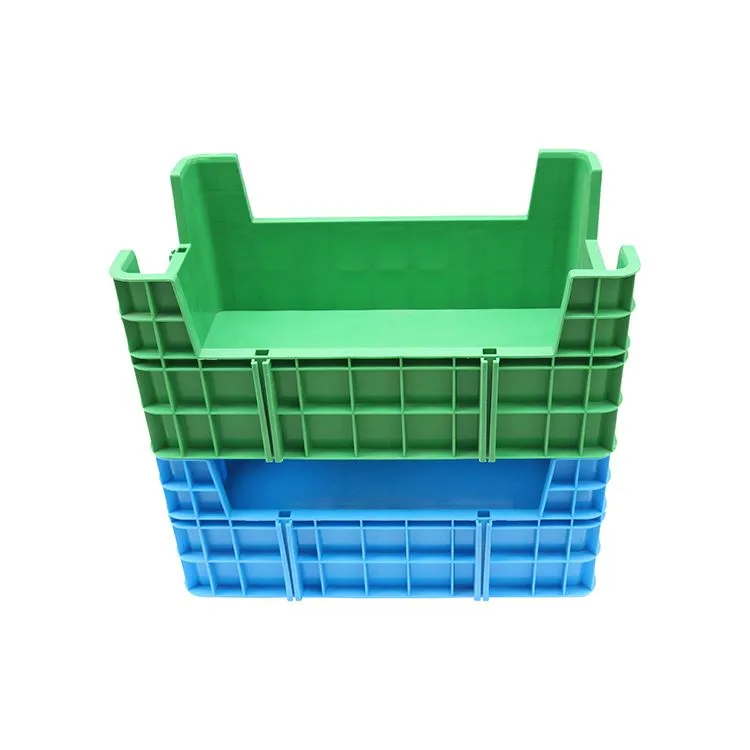
Proper ventilation is crucial to prevent the buildup of moisture and humidity inside the breeding box. Our Black Soldier Fly Box is designed with ventilation holes to allow for air circulation, but in tropical climates, additional ventilation may be required. This can be achieved by installing fans or louvers on the box to improve airflow.
Drainage is also important to prevent waterlogging. The breeding box should have a sloped bottom and drainage holes to allow excess water to drain out. This helps to keep the substrate dry and prevents the growth of mold and bacteria.
Temperature Regulation
While the warm temperatures in tropical climates are generally beneficial for BSF breeding, there may be times when the temperature gets too high. In such cases, it may be necessary to provide some form of cooling to prevent the larvae from overheating. This can be done by placing the breeding box in a shaded area or by using a cooling system such as a misting fan or an air conditioner.
On the other hand, during the cooler months or at night, the temperature may drop below the optimal range for BSF breeding. In these situations, it may be necessary to provide some form of heating to keep the larvae warm. This can be achieved by using a heating pad or a heat lamp.
Pest and Disease Control
Pests and diseases are a major concern in tropical climates, and it is important to take measures to prevent and control them. This can include regular cleaning and disinfection of the breeding box, using pest-resistant materials, and implementing a strict biosecurity protocol.
In addition, natural predators such as birds and lizards can also pose a threat to the BSF larvae. To protect the larvae, it may be necessary to cover the breeding box with a mesh or netting to prevent predators from accessing it.
Choosing the Right Black Soldier Fly Box for Tropical Climates
When choosing a Black Soldier Fly Box for use in a tropical climate, it is important to consider the specific requirements of your breeding operation. Our company offers a range of products designed to meet the needs of different customers, including Plastic Insect Breeding Trays BSF Farming, Black Soldier Fly Larvae Box, Black Soldier Fly Compost Bin, and Mealworm Tray.
Our products are made from high-quality plastic materials that are durable, lightweight, and easy to clean. They are also designed with features such as ventilation holes, drainage holes, and removable lids to make them suitable for use in tropical climates.
Conclusion
In conclusion, a Black Soldier Fly Box can be effectively used in a tropical climate, but it requires careful consideration and adaptation to the specific environmental conditions. By taking the necessary steps to ensure proper ventilation, drainage, temperature regulation, and pest and disease control, you can create a suitable environment for BSF breeding and achieve high yields of larvae.
If you are interested in using our Black Soldier Fly Boxes for your breeding operation, please contact us to discuss your specific requirements. We are happy to provide you with more information and help you choose the right product for your needs.
References
- Newton, R. J., Sheppard, D. C., & Tomberlin, J. K. (2005). The black soldier fly, Hermetia illucens (L.), as a model for studies of pre-imaginal growth and development. Journal of Insect Science, 5(1), 1-10.
- Sheppard, D. C., Newton, R. J., & Thompson, S. E. (1994). Management of animal manure with the black soldier fly. Bioresource Technology, 48(1), 29-33.
- Tomberlin, J. K., Sheppard, D. C., Joyce, J. A., & Choi, J. Y. (2002). Biology of the black soldier fly, Hermetia illucens (Diptera: Stratiomyidae), and its potential role in erosion control on the Georgia coast. Environmental Entomology, 31(4), 732-740.