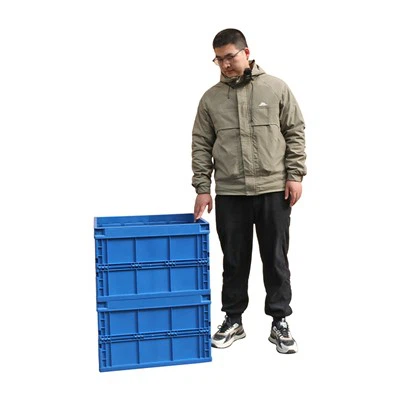
In the realm of storage solutions, foldable plastic storage bins have emerged as a practical and space - efficient choice for both households and industries. As a proud supplier of these versatile products, I often encounter inquiries about their resistance to chemicals. This blog aims to delve into this topic, providing a detailed scientific perspective on the chemical resistance of foldable plastic storage bins.
The Composition of Foldable Plastic Storage Bins
Our foldable plastic storage bins are typically made from high - quality polypropylene (PP) or polyethylene (PE). These two polymers are well - known for their use in a wide range of plastic products due to their favorable properties such as durability, flexibility, and cost - effectiveness.
Polypropylene has a semi - crystalline structure, which gives it good mechanical strength and resistance to many chemicals. It has a high melting point and is relatively stable under normal conditions. Polyethylene, on the other hand, can exist in different forms, including high - density polyethylene (HDPE) and low - density polyethylene (LDPE). HDPE is more rigid and offers better chemical resistance compared to LDPE, while LDPE is more flexible.
Factors Affecting Chemical Resistance
Chemical resistance is not a one - size - fits - all property. Several factors can influence how foldable plastic storage bins interact with chemicals:
- Type of Chemical: Different chemicals have different chemical structures and properties, which determine their reactivity with plastics. For example, acids, bases, solvents, and oxidizing agents can all have varying effects on the plastic.
- Concentration of the Chemical: Higher concentrations of chemicals are generally more likely to cause damage to the plastic. Even a chemical that the plastic can tolerate at low concentrations may cause degradation or swelling at high concentrations.
- Exposure Time: The longer the plastic is exposed to a chemical, the greater the chance of damage. Short - term exposure may not have a significant impact, but prolonged exposure can lead to chemical attack.
- Temperature: Higher temperatures can accelerate chemical reactions. A plastic that is resistant to a certain chemical at room temperature may be more vulnerable at elevated temperatures.
Chemical Resistance of Polypropylene and Polyethylene
- Acids and Bases: Polypropylene and polyethylene are generally resistant to many dilute acids and bases at room temperature. Our foldable plastic storage bins can handle common household cleaning agents that are slightly acidic or basic, such as vinegar (acetic acid) and mild dish soap (usually slightly basic). However, concentrated acids and strong bases can cause some degradation over time. For example, sulfuric acid at high concentrations can react with the plastic, leading to swelling and loss of mechanical properties.
- Solvents: The resistance to solvents varies significantly. Polar solvents like water - based solutions usually have little effect on polypropylene and polyethylene. Non - polar solvents, such as benzene, toluene, and some petroleum - based oils, can be more problematic. These solvents can penetrate the polymer structure, causing the plastic to swell and potentially lose its structural integrity. Our foldable plastic storage bins should be kept away from prolonged contact with such solvents.
- Oxidizing Agents: Oxidizing agents, such as hydrogen peroxide and bleach, can also affect the plastic. While polypropylene and polyethylene have some resistance to mild oxidizing agents, strong oxidizing agents can break down the polymer chains over time, leading to discoloration, embrittlement, and reduced strength.
Case Studies and Practical Examples
To illustrate the chemical resistance of our foldable plastic storage bins, let's consider some real - world scenarios.

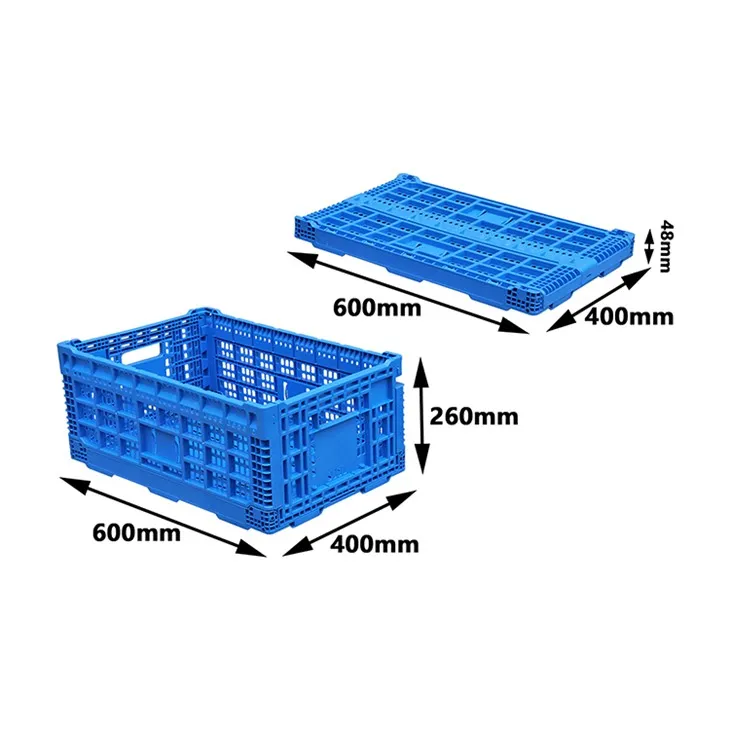
- Household Use: In a kitchen, these bins can be used to store food items and cleaning supplies. They can resist the acidic environment from fruits and vegetables stored inside. When it comes to cleaning, they can withstand the mild chemicals in regular cleaning solutions. For example, you can use a soapy water solution to clean the bins without worrying about significant chemical damage.
- Industrial Use: In industries like agriculture, our Instries Foldable Crates are used for storing and transporting various products. They can resist the chemicals used in fertilizers and pesticides to a certain extent, as long as they are not in direct contact for extended periods. Our Vegetable and Fruit Crates can safely store produce that may be treated with mild chemical sprays.
Comparing with Other Storage Options
When compared to other storage materials, such as metal and glass, foldable plastic storage bins have their unique advantages and limitations in terms of chemical resistance.
- Metal: Metal storage containers can corrode when exposed to certain chemicals, especially acids and salts. In contrast, our plastic bins are more resistant to rusting and corrosion. However, some strong chemicals can still cause stress cracking in plastic, which is not a concern with metal in most cases.
- Glass: Glass is highly resistant to most chemicals, but it is fragile and heavy. Our foldable plastic storage bins offer the advantage of being lightweight and shatter - proof, making them more practical for many applications. Although their chemical resistance is not as comprehensive as glass, they are suitable for a wide range of common chemicals.
Conclusion and Call to Action
In conclusion, our foldable plastic storage bins offer good chemical resistance for many common household and industrial applications. Made from polypropylene or polyethylene, they can withstand exposure to a variety of chemicals under normal conditions. However, it's important to be aware of the limitations and take appropriate precautions when dealing with more reactive chemicals.
If you're in the market for high - quality foldable plastic storage solutions, we invite you to explore our product range. Check out our Foldable Plastic Storage Bins, Ventilated PP Stacking Vegetables Collapsible Plastic Crate, and Transport Stackable EU Plastic Logistics Boxes. We are always ready to assist with your specific storage needs. Whether you're looking for a solution for your home or your business, our products are designed to meet your requirements. Contact us to start a purchase negotiation and find the best storage solution for you.
References
- Strong, A. B. (2000). Plastics: Materials and Processing. Prentice Hall.
- Scheirs, J., & Long, T. E. (2003). Modern Polyesters: Chemistry and Technology of Polyesters and Copolyesters. Wiley.