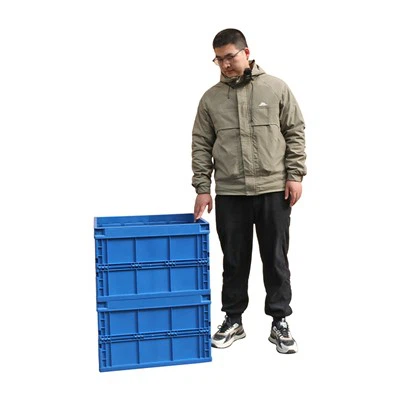
Monitoring the activity of black soldier flies (Hermetia illucens) in a box is crucial for both hobbyist enthusiasts and commercial farmers aiming to optimize their breeding operations. As a supplier of Black Soldier Fly Boxes and related products, I understand the importance of effective monitoring techniques. This blog will delve into the various methods and considerations for monitoring black soldier fly activity within a confined space.
Understanding the Life Cycle of Black Soldier Flies
Before diving into monitoring techniques, it's essential to have a solid understanding of the black soldier fly life cycle. The cycle consists of four main stages: egg, larva, pupa, and adult. Each stage has distinct characteristics and behaviors that can be monitored to assess the health and productivity of the colony.
- Egg Stage: Female black soldier flies lay their eggs in crevices or on surfaces near decaying organic matter. Eggs are typically small, white, and oval-shaped. Monitoring the presence of eggs can indicate successful mating and the start of a new generation.
- Larval Stage: Larvae are the most active and visible stage of the black soldier fly life cycle. They are voracious eaters and play a crucial role in decomposing organic waste. Monitoring larval activity can provide insights into the feeding rate, growth rate, and overall health of the colony.
- Pupal Stage: Larvae enter the pupal stage when they are ready to transform into adults. Pupae are inactive and do not feed. Monitoring the pupal stage can help determine the timing of adult emergence.
- Adult Stage: Adult black soldier flies are short-lived and primarily focused on mating and laying eggs. Monitoring adult activity can help assess the mating success and egg-laying rate of the colony.
Choosing the Right Monitoring Tools
There are several tools and techniques available for monitoring black soldier fly activity in a box. The choice of tools will depend on the specific needs and goals of the monitoring program. Here are some common monitoring tools:
- Visual Inspection: Visual inspection is the simplest and most direct method of monitoring black soldier fly activity. Regularly observing the box can provide valuable information about the presence of eggs, larvae, pupae, and adults. Look for signs of feeding, movement, and growth.
- Temperature and Humidity Sensors: Black soldier flies are sensitive to temperature and humidity fluctuations. Monitoring the temperature and humidity levels inside the box can help ensure optimal breeding conditions. Use a thermometer and hygrometer to measure the temperature and humidity at regular intervals.
- Infrared Cameras: Infrared cameras can be used to monitor black soldier fly activity in low-light conditions. These cameras detect the heat emitted by the insects, allowing you to track their movement and behavior.
- Video Surveillance: Video surveillance systems can provide continuous monitoring of black soldier fly activity. Set up cameras inside the box to record the behavior of the insects over time. This can be useful for analyzing long-term trends and identifying any issues or abnormalities.
Monitoring Larval Activity
Larval activity is a key indicator of the health and productivity of a black soldier fly colony. Here are some methods for monitoring larval activity:
- Feeding Rate: Monitor the amount of food consumed by the larvae over a given period. This can be done by weighing the food before and after feeding and calculating the difference. A high feeding rate indicates healthy and active larvae.
- Growth Rate: Measure the length and weight of the larvae at regular intervals to track their growth rate. This can help identify any issues with nutrition or environmental conditions that may be affecting larval development.
- Larval Density: Monitor the density of larvae in the box to ensure that they have enough space to move and feed. Overcrowding can lead to stress, disease, and reduced productivity.
- Larval Movement: Observe the movement of the larvae within the box. Active larvae will move around freely and actively seek out food. If you notice a lack of movement or lethargy, it may indicate a problem with the health or environment of the larvae.
Monitoring Adult Activity
Adult activity is also important for the success of a black soldier fly breeding operation. Here are some methods for monitoring adult activity:
- Mating Success: Observe the mating behavior of the adult flies to assess mating success. Look for pairs of flies engaging in mating behavior and count the number of successful matings.
- Egg-Laying Rate: Monitor the number of eggs laid by the adult flies over a given period. This can be done by counting the number of eggs in the box or by collecting and weighing the eggs. A high egg-laying rate indicates healthy and fertile adult flies.
- Adult Longevity: Track the lifespan of the adult flies to assess their overall health and vitality. Adult black soldier flies typically live for 5-10 days, so any significant deviations from this lifespan may indicate a problem.
- Flight Activity: Observe the flight activity of the adult flies to ensure that they are able to fly and mate properly. If you notice a lack of flight activity or difficulty in flying, it may indicate a problem with the wings or other parts of the body.
Troubleshooting Common Issues
Even with careful monitoring, problems may still arise in a black soldier fly breeding operation. Here are some common issues and their possible solutions:


- Low Larval Activity: If you notice a decrease in larval activity, it may be due to a lack of food, improper temperature or humidity levels, or the presence of pests or diseases. Check the feeding schedule, adjust the temperature and humidity levels, and inspect the box for signs of pests or diseases.
- High Mortality Rate: A high mortality rate among larvae or adults may be due to a variety of factors, including poor nutrition, overcrowding, improper environmental conditions, or the presence of pathogens. Review the feeding and environmental conditions, reduce the larval density if necessary, and implement appropriate disease prevention and control measures.
- Low Egg-Laying Rate: A low egg-laying rate may be due to a lack of mating opportunities, poor nutrition, or the presence of stressors. Provide adequate space and resources for mating, ensure that the adult flies are receiving a balanced diet, and minimize any potential stressors in the environment.
- Pest and Disease Infestations: Black soldier fly colonies can be susceptible to a variety of pests and diseases, including mites, flies, and bacteria. Implement strict biosecurity measures to prevent the introduction of pests and diseases into the box, and regularly inspect the insects for signs of infestation. If an infestation is detected, take appropriate measures to control it, such as using insecticides or antibiotics.
Conclusion
Monitoring the activity of black soldier flies in a box is an essential part of a successful breeding operation. By understanding the life cycle of the insects, choosing the right monitoring tools, and regularly observing their behavior, you can ensure optimal breeding conditions and maximize the productivity of your colony. As a supplier of Black Soldier Fly Box and related products, we are committed to providing high-quality solutions for black soldier fly breeding. If you have any questions or need further information, please feel free to contact us to discuss your procurement needs.
References
- Tomberlin, J. K., Sheppard, D. C., Joyce, J. A., & Newton, G. L. (2002). Biology and Rearing of the Black Soldier Fly (Diptera: Stratiomyidae). Florida Entomologist, 85(2), 225-236.
- Diener, S., Studie, E., Maurer, M., & Liebhard, R. (2011). Development of larvae of the black soldier fly, Hermetia illucens (Diptera: Stratiomyidae), on fruit and vegetable waste. Waste Management, 31(10), 2039-2045.
- Lalander, C. T., Vinnerås, B., & Björkman, C. (2013). The potential of the black soldier fly, Hermetia illucens (Diptera: Stratiomyidae), to treat biowaste. Bioresource Technology, 143, 120-126.