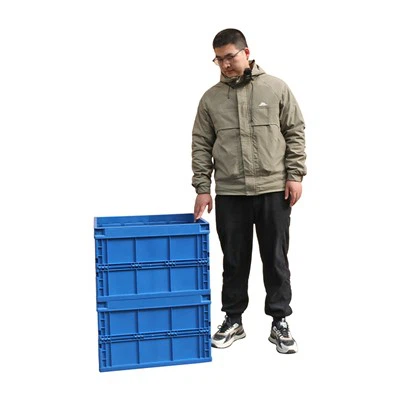
Selecting the right industrial pallet container is crucial for businesses involved in shipping and logistics. As an industrial pallet container supplier, I understand the challenges that companies face when trying to make this decision. The choice of a pallet container can significantly impact the efficiency, cost, and safety of your shipping operations. In this blog post, I will guide you through the process of choosing an industrial pallet container based on the shipping method you use.
Understanding Different Shipping Methods
Before delving into the selection of pallet containers, it is essential to understand the various shipping methods available. The most common shipping methods include road, rail, sea, and air freight. Each method has its own unique requirements, constraints, and advantages.
- Road Freight: This is the most common shipping method for short to medium distances. It offers flexibility in terms of delivery schedules and the ability to reach remote locations. However, road freight is subject to traffic conditions and weight restrictions.
- Rail Freight: Rail transport is suitable for long - distance shipping of large volumes of goods. It is generally more cost - effective than road freight for bulk shipments and is less affected by traffic. But, rail freight requires proper loading and unloading facilities and may have limited delivery points.
- Sea Freight: Ideal for international shipping of large quantities of goods. Sea freight is cost - efficient for bulky and heavy items. However, it has a longer transit time compared to other methods and is subject to port regulations and weather conditions.
- Air Freight: The fastest shipping method, air freight is suitable for high - value, time - sensitive goods. It offers global reach and reliable transit times. Nevertheless, it is the most expensive shipping method and has strict weight and size limitations.
Factors to Consider When Choosing a Pallet Container Based on Shipping Method
1. Size and Dimensions
- Road Freight: For road transport, it is important to consider the dimensions of the pallet container to ensure it fits well on trucks. Standard truck trailers have specific width and height limits. You need to choose a container that maximizes the use of available space in the truck while complying with legal requirements. For example, if you are using a standard 20 - foot truck trailer, a pallet container with dimensions that can be neatly stacked and arranged will optimize the load capacity.
- Rail Freight: Rail cars also have defined dimensions. Pallet containers should be designed to fit within the rail car's loading area. Additionally, the container's height should not exceed the clearance limits of railway bridges and tunnels. Some rail freight services may also require containers to have specific stacking patterns for stability during transit.
- Sea Freight: In sea shipping, containers are often stacked in shipping containers or on the deck of a cargo ship. The size of the industrial pallet container should be compatible with standard shipping container sizes (e.g., 20 - foot or 40 - foot containers). This ensures efficient use of space and easy handling at ports.
- Air Freight: Due to the limited space in aircraft cargo holds, pallet containers for air freight need to be compact. They should also be lightweight to meet the weight restrictions of airlines. Airlines typically have strict guidelines on the maximum dimensions and weight of cargo.
2. Weight Capacity
- Road Freight: Trucks have weight limits imposed by local regulations. The pallet container, along with its contents, should not exceed these limits. Overloading a truck can lead to fines, safety hazards, and increased wear and tear on the vehicle. A heavy - duty pallet container may be required if you are shipping dense or heavy items. You can find a suitable option like the Heavy Duty Foldable Pallet Container which is designed to handle significant weights while remaining foldable for easy storage when not in use.
- Rail Freight: Similar to road freight, rail cars have weight capacity limits per axle and per car. The pallet container should be selected based on the weight of the goods being shipped to ensure that the total load is within the allowable limits.
- Sea Freight: Shipping vessels can handle large weights, but the weight distribution within the container and on the ship is crucial for stability. Pallet containers should be able to withstand the forces exerted during rough sea conditions and should be properly secured to prevent shifting.
- Air Freight: Weight is a critical factor in air freight due to fuel efficiency and safety concerns. Lightweight pallet containers are preferred, but they still need to be strong enough to hold the goods securely.
3. Durability and Protection
- Road Freight: Pallet containers for road transport need to withstand the vibrations, shocks, and impacts that occur during transit. The container should be made of durable materials such as high - density polyethylene or steel. A well - constructed container can protect the goods from damage caused by rough roads and sudden stops. For example, the Industry Folding Plastic Pallet Boxes are made of high - quality plastic that offers good resistance to impact and is also foldable for convenient storage.
- Rail Freight: Rail journeys can be long, and the containers may be subject to jolts and vibrations. The pallet container should be able to maintain its integrity over long distances. It should also protect the goods from dust, moisture, and other environmental factors.
- Sea Freight: Sea shipping exposes pallet containers to harsh environmental conditions, including saltwater, humidity, and strong winds. The container should be corrosion - resistant and waterproof. A container with a proper lid, like the Bulk Heavy Duty Pallet Box Lid, can provide additional protection against water and debris.
- Air Freight: Although the transit time is short, the container needs to protect the goods from the low - pressure and low - temperature environment inside the aircraft. It also needs to withstand the handling processes at airports, which can be quite rough.
4. Stackability and Nestability
- Road Freight: Stackable pallet containers are beneficial for road transport as they allow for more efficient use of space in the truck. Nestable containers, on the other hand, are useful when the containers need to be returned empty. They can be nested inside each other, reducing the space required for return shipping.
- Rail Freight: Stackability is important in rail freight to maximize the use of space in rail cars. Containers that can be stacked securely will ensure a stable load and prevent damage during transit.
- Sea Freight: In sea shipping, stackability is crucial for efficient use of space in shipping containers and on the ship's deck. Nestable containers can also save space during storage at ports or when the containers are being transported back empty.
- Air Freight: Due to the limited space in aircraft cargo holds, stackable and nestable containers can help optimize the use of available space.
Additional Considerations
1. Compatibility with Handling Equipment
- Different shipping methods use various handling equipment such as forklifts, pallet jacks, and cranes. The industrial pallet container should be compatible with the handling equipment used at the origin, destination, and during transit. For example, it should have proper fork pockets for forklift operation and lifting points for crane handling.
2. Regulatory Requirements
- Each shipping method is subject to different regulatory requirements. For example, sea freight may require compliance with international maritime regulations, while air freight has strict safety regulations regarding the transportation of certain goods. The pallet container should meet all the relevant regulatory standards.
3. Cost - Effectiveness
- The cost of the pallet container, including the purchase price, shipping cost, and any additional costs such as maintenance and storage, should be considered. A more expensive container may offer better durability and protection, but it needs to be balanced against the overall cost - effectiveness of your shipping operations.
Conclusion
Choosing the right industrial pallet container based on the shipping method is a complex process that requires careful consideration of multiple factors. As an industrial pallet container supplier, I am committed to helping businesses make the best choice for their shipping needs. Whether you are shipping by road, rail, sea, or air, we have a wide range of pallet containers to meet your requirements.
If you are interested in learning more about our industrial pallet containers or would like to discuss your specific shipping needs, please feel free to contact us for a procurement discussion. We look forward to working with you to optimize your shipping operations.


References
- "Logistics and Supply Chain Management" by Martin Christopher
- "Transportation Economics" by John P. Meyer and Edwin K. Straszheim