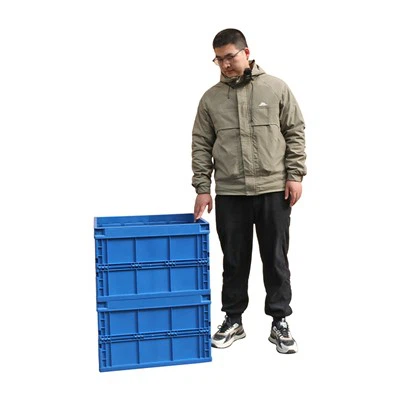
Let's face it, when you're in the market for plastic crates, one of the big questions on your mind is probably whether they can stand up to mold and mildew. As a plastic crate supplier, I've had my fair share of customers asking about this, so I thought I'd dive into the topic and give you the lowdown.
First off, let's talk about what mold and mildew are. Mold is a type of fungus that loves to grow in damp, warm, and dark places. It can be a real pain in the you - know - what because it not only looks ugly but can also cause health problems, especially for people with allergies or respiratory issues. Mildew is also a fungus, but it's usually more of a surface - dwelling type that often appears as a powdery substance. It's not as harmful as some molds, but it's still an eyesore and can cause damage over time.
Now, onto plastic crates. Plastic, in general, has some really great properties when it comes to fighting off mold and mildew. Unlike materials like wood, plastic doesn't absorb water. You see, wood can soak up moisture like a sponge, creating the perfect breeding ground for mold and mildew. But plastic? It's a lot more moisture - resistant. When water hits a plastic crate, it's just gonna sit on the surface. It won't seep in and start to break down the material from the inside like it would with wood.
But that doesn't mean plastic crates are completely immune. If you leave them in a super - humid environment for a long time, and there's a bit of dirt or organic matter on them, mold and mildew could still make an appearance. For example, if you're using your plastic crates in a warehouse where there's a lot of steam or humidity from nearby machinery, and you don't clean the crates regularly, you might start to see some signs of mold.


One of the key things to keep in mind is how the plastic crates are made. High - quality plastic crates are often made from materials that have been treated to be more resistant to environmental factors. At our place, we use top - notch plastics that are designed to hold up well in different conditions. We also pay close attention to the manufacturing process to make sure there are no weak spots where moisture could get in.
Let's take a look at some of our popular products. We've got the Plastic Moving Turnover Tote Box. This bad boy is great for all sorts of moving and storage needs. It's made with a sturdy plastic that can handle a bit of rough and tumble, and because of its design, it's not likely to trap moisture inside. The lid fits snugly, which helps keep out any unwanted moisture and reduces the chances of mold growth.
Then there's the 600400250mm AS/RS Warehouse Plastic Turnover Box. If you're running a warehouse, you know how important it is to have crates that can withstand the environment. These boxes are built to last, and their large size makes them great for storing a lot of stuff. Again, the plastic we use in these boxes has been selected for its resistance to moisture and mold.
We also have some specialized crates. The Crate For LPG Can is designed to hold LPG cans safely. Since it might be used in outdoor or industrial settings where there could be some moisture around, we've made sure it can resist mold and mildew. And for those in the beverage industry, our Plastic Wine Bottle Crates are a great option. They're built to protect your wine bottles, and the plastic construction helps keep them free from mold.
If you're in the bakery business, our Stacking Bread Crates are perfect. They stack easily, which saves space, and the plastic material won't let mold grow and contaminate your bread.
So, what can you do to keep your plastic crates mold - free? Well, first of all, keep them clean. A simple wipe - down with a mild detergent and water every once in a while can do wonders. If you notice any dirt or debris on the crates, get rid of it as soon as possible. Also, try to store them in a dry place. If you can't avoid a humid environment, consider using a dehumidifier to keep the moisture levels down.
Another thing to think about is ventilation. Make sure there's enough air circulation around the crates. If they're stacked too tightly together, air can't move freely, and that can lead to a build - up of moisture.
In conclusion, plastic crates are generally pretty resistant to mold and mildew, especially when they're made from high - quality materials and properly maintained. But it's not a guarantee. You still need to take some steps to keep them in good shape.
If you're interested in our plastic crates and want to learn more about how they can fit into your business, don't hesitate to reach out. Whether you're in the moving industry, warehousing, or any other field that needs reliable storage solutions, we've got the right crates for you. Let's have a chat and see how we can work together to meet your needs.
References
- "The Basics of Mold Growth and Prevention", Environmental Protection Agency
- "Plastic Materials and Their Resistance to Moisture", Journal of Plastics Science