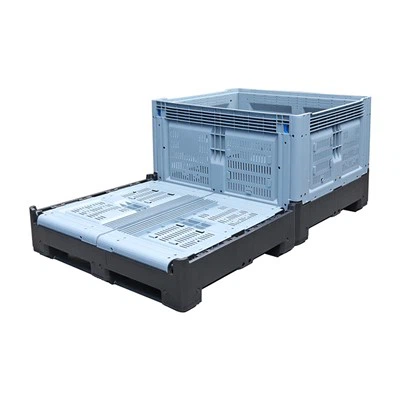
Hey there! As a plastic crate supplier, I've seen firsthand the age - old debate between plastic crates and cardboard boxes. In this blog, I'll break down the differences, advantages, and disadvantages of each, so you can make an informed decision for your business needs.
Durability
Let's start with durability. Cardboard boxes are made of paperboard, which is relatively fragile. They can easily get damaged by moisture, rough handling, or sharp objects. A small spill or a light knock can render a cardboard box useless, especially if it's holding heavy items.
On the other hand, plastic crates are built to last. They're made from high - density polyethylene (HDPE) or polypropylene (PP), which are strong and resistant to impact, moisture, and chemicals. You can stack plastic crates on top of each other without worrying about them collapsing. Whether you're using them for storage or transportation, plastic crates can withstand a lot of wear and tear. For example, our Plastic Round Trip Totes are designed to be used multiple times, making them a long - term investment.
Reusability
Reusability is a huge factor when choosing between plastic crates and cardboard boxes. Cardboard boxes are typically single - use items. Once they're damaged or used for a single shipment, they're usually thrown away. This not only adds to waste but also means you have to keep buying new boxes.
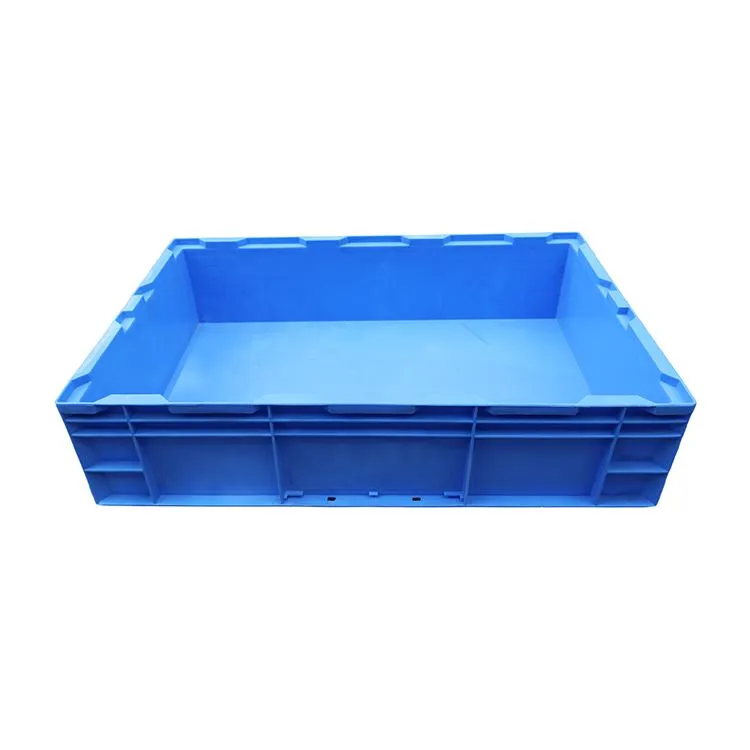
Plastic crates, however, are reusable. You can clean them easily and use them over and over again. This not only saves you money in the long run but also reduces your environmental impact. Our HP Turnover Box is a great example of a reusable plastic crate. It's designed for multiple trips, making it a cost - effective solution for businesses.
Cost
In the short term, cardboard boxes seem cheaper. They're mass - produced and widely available, so you can get them at a relatively low price. However, when you factor in the cost of replacement due to damage and the need for continuous restocking, the long - term cost can add up.
Plastic crates have a higher upfront cost, but they pay for themselves over time. Since they're reusable, you don't have to keep buying new ones. Plus, they can protect your products better, reducing the risk of damage during transit or storage. If you're a business that ships or stores a large volume of goods, investing in plastic crates can save you a significant amount of money in the long run.
Hygiene
Hygiene is crucial, especially when it comes to storing or transporting food, pharmaceuticals, or other sensitive products. Cardboard boxes can absorb moisture and odors, and they're difficult to clean. Once they're contaminated, they're usually discarded.
Plastic crates are much easier to clean and sanitize. You can simply wash them with soap and water or use a disinfectant. This makes them a better choice for industries that require high levels of hygiene. Our Ventilated PP Stacking Vegetables Collapsible Plastic Crate is designed with ventilation holes to keep produce fresh and is easy to clean, ensuring a high level of hygiene.
Customization
Cardboard boxes can be easily printed on, which makes them a popular choice for branding. You can print your company logo, product information, or other marketing messages on the boxes. However, their customization options are limited in terms of shape and size.
Plastic crates offer more flexibility in terms of customization. You can choose from a variety of shapes, sizes, and colors. You can also add features like lids, handles, and dividers to meet your specific needs. This makes them a great option for businesses that require specialized storage or transportation solutions.
Storage Space
Cardboard boxes take up a lot of space when they're not in use. They're bulky and can't be easily stacked or folded. This can be a problem if you have limited storage space.
Many plastic crates, like our collapsible ones, can be folded flat when not in use. This saves a lot of storage space, especially if you have a large inventory of crates. You can stack the folded crates neatly in a corner, freeing up valuable space in your warehouse.
Environmental Impact
Cardboard boxes are made from paper, which is a renewable resource. However, the production of cardboard boxes requires a lot of water, energy, and chemicals. Plus, since they're usually single - use, they contribute to a large amount of waste.
Plastic crates, on the other hand, are made from plastics, which have a bad reputation for being non - biodegradable. But when you consider their reusability, they can actually have a lower environmental impact in the long run. By using plastic crates multiple times, you reduce the need for constant production of new packaging materials.
Conclusion
So, which is better, plastic crates or cardboard boxes? Well, it depends on your specific needs. If you're looking for a cheap, single - use solution for a one - time shipment, cardboard boxes might be the way to go. But if you need a durable, reusable, and customizable option for long - term storage or transportation, plastic crates are the clear winner.
If you're interested in learning more about our plastic crates or are considering making a purchase, feel free to reach out. We're here to help you find the perfect solution for your business. Whether you need a small quantity for a local project or a large order for a national distribution, we've got you covered.

References
- "Packaging Materials: A Comparative Analysis" - Journal of Packaging Science
- "Sustainable Packaging Solutions" - Environmental Research Institute