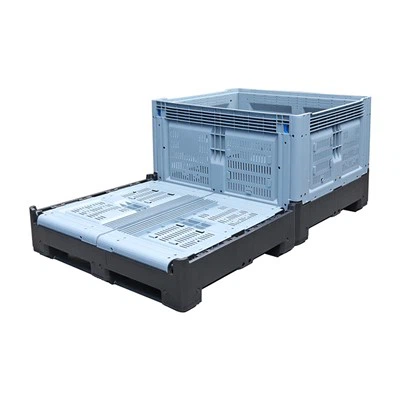
In the world of logistics and warehousing, the stacking stability of KLT Boxes is a crucial factor that directly impacts operational efficiency, safety, and cost - effectiveness. As a KLT Box supplier, I understand the significance of ensuring that these boxes can be stacked securely to optimize storage space and prevent potential accidents. In this blog, I will share some effective strategies on how to improve the stacking stability of KLT Boxes.
Understanding the Basics of KLT Boxes
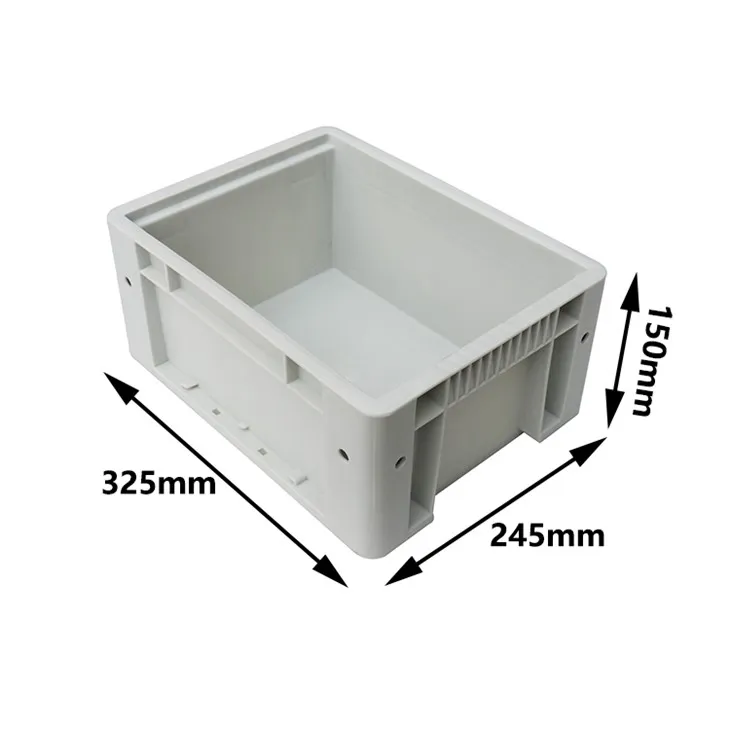
KLT Boxes, or Kunststoff Ladungsträger (plastic load carriers), are widely used in various industries for storing and transporting goods. They are known for their durability, lightweight, and versatility. You can learn more about KLT Boxes on our KLT Box page.
These boxes come in different sizes, shapes, and designs, each with its own set of features. The design of the box, including its base, walls, and lid, plays a significant role in determining its stacking stability. For instance, a box with a flat and wide base is more likely to be stable when stacked compared to one with a narrow or uneven base.
Design Considerations for Stacking Stability
1. Base Design
The base of the KLT Box is the foundation for stacking. A well - designed base should have a large contact area with the surface below. This helps distribute the weight evenly and reduces the risk of the box tipping over. Some KLT Boxes have a ribbed or textured base, which not only provides better grip on the surface but also enhances the overall stability. For example, a box with a grid - like base pattern can interlock with the box below, preventing lateral movement.
2. Wall Structure
The walls of the KLT Box should be strong and rigid. Thicker walls can better withstand the pressure exerted by the boxes stacked on top. Additionally, the shape of the walls can also affect stability. Boxes with tapered walls are less likely to topple over as they provide a more stable center of gravity. Some boxes are designed with reinforced corners to further enhance their structural integrity.
3. Lid Design
A properly designed lid can contribute to the stacking stability of KLT Boxes. A tight - fitting lid helps keep the contents of the box in place and prevents any shifting that could cause the stack to become unstable. Some lids are designed to interlock with the box below, creating a more secure stack.

Loading and Stacking Techniques
1. Even Loading
One of the most important factors in ensuring stacking stability is even loading. When filling the KLT Boxes, it is essential to distribute the weight evenly throughout the box. Unevenly loaded boxes are more likely to tip over, especially when stacked. For example, if heavy items are placed on one side of the box, it will create an imbalance that can compromise the stability of the stack.
2. Stacking Pattern
The way KLT Boxes are stacked also affects their stability. A proper stacking pattern can help distribute the weight evenly and prevent the stack from collapsing. One common stacking pattern is the interlocking pattern, where the boxes are stacked in such a way that the corners of one box fit into the recesses of the box below. This creates a more stable structure and reduces the risk of lateral movement.
3. Stack Height
It is important to consider the maximum stack height when stacking KLT Boxes. Stacking boxes too high can increase the risk of the stack toppling over, especially if the boxes are not properly designed or loaded. The maximum stack height should be determined based on the strength of the boxes, the weight of the contents, and the storage conditions.
Storage Environment
1. Floor Surface
The surface on which the KLT Boxes are stacked is also crucial for stability. A flat, level, and clean floor surface is essential. Uneven floors can cause the boxes to tilt, increasing the risk of collapse. If the floor is not level, shims or leveling pads can be used to ensure a stable base for the stack.
2. Temperature and Humidity
Extreme temperatures and high humidity can affect the physical properties of the KLT Boxes. Plastic boxes can become brittle in cold temperatures and may deform in high - temperature environments. High humidity can also cause the boxes to absorb moisture, which can weaken their structure. It is important to store the boxes in a controlled environment to maintain their integrity and stacking stability.
Compatibility with Automated Systems
In modern warehousing, many operations are automated. KLT Boxes need to be compatible with automated storage and retrieval systems. Our Automated Storage and Retrieval Tote Bin and ST Turnover Box are designed to work seamlessly with these systems.
When using automated systems, the boxes should have consistent dimensions and a smooth surface to ensure proper handling. The stacking stability of the boxes is also crucial for the efficient operation of the automated systems. Any instability in the stack can cause jams or malfunctions in the system.
Quality Control and Testing
As a KLT Box supplier, we conduct rigorous quality control and testing to ensure the stacking stability of our products. We test the boxes under different loading conditions and stacking heights to simulate real - world scenarios. This helps us identify any potential issues and make necessary improvements to the design and manufacturing process.
We also encourage our customers to provide feedback on the performance of our KLT Boxes. This feedback helps us continuously improve our products and ensure that they meet the highest standards of quality and stability.
Conclusion
Improving the stacking stability of KLT Boxes is a multi - faceted process that involves design considerations, loading and stacking techniques, storage environment, and compatibility with automated systems. By following these strategies, we can ensure that the KLT Boxes are safe, efficient, and reliable for use in various industries.
If you are interested in purchasing high - quality KLT Boxes with excellent stacking stability, please feel free to contact us for further discussion and procurement negotiation. We are committed to providing you with the best products and services to meet your specific needs.
References
- Logistics and Warehousing Handbook
- Plastic Packaging Design Principles
- Automated Storage and Retrieval System Guidelines