Integrating a Black Soldier Fly (BSF) box into a hydroponic setup can revolutionize your approach to sustainable agriculture. As a supplier of high - quality Black Soldier Fly Box, I've witnessed firsthand the numerous benefits of this integration. In this blog, I'll guide you through the process, highlighting the science behind it and the practical steps to make it work.
Understanding the Basics: Black Soldier Flies and Hydroponics
Black soldier flies are remarkable insects with a unique life cycle. The larvae of these flies are voracious eaters, capable of consuming a wide range of organic waste, including food scraps, manure, and agricultural by - products. As they grow, they convert this waste into valuable biomass in the form of protein - rich larvae.


Hydroponics, on the other hand, is a soil - less method of growing plants. It involves growing plants in a nutrient - rich water solution, providing them with all the necessary minerals and elements for growth. This method is known for its efficiency, as it uses less water and space compared to traditional soil - based farming.
The synergy between BSF and hydroponics lies in the nutrient cycle. The BSF larvae break down organic waste and produce frass (insect excrement), which is an excellent source of nutrients for hydroponic plants. This creates a closed - loop system where waste is recycled, and the nutrients are reused to support plant growth.
Benefits of Integrating a BSF Box into a Hydroponic Setup
- Nutrient Recycling: As mentioned earlier, the frass produced by BSF larvae is a rich source of nitrogen, phosphorus, and potassium, along with other micronutrients. When added to the hydroponic system, it can significantly reduce the need for synthetic fertilizers.
- Waste Reduction: By feeding the BSF larvae with organic waste, you can divert a large amount of waste from landfills. This not only helps in reducing environmental pollution but also provides a cost - effective solution for waste management.
- Enhanced Plant Growth: The nutrients in the frass are in a form that is easily absorbed by plants. This can lead to improved plant growth, increased yields, and better - quality produce.
- Sustainable Farming: The integration of BSF and hydroponics represents a sustainable approach to agriculture. It reduces the reliance on external inputs and minimizes the environmental impact of farming.
Choosing the Right BSF Box
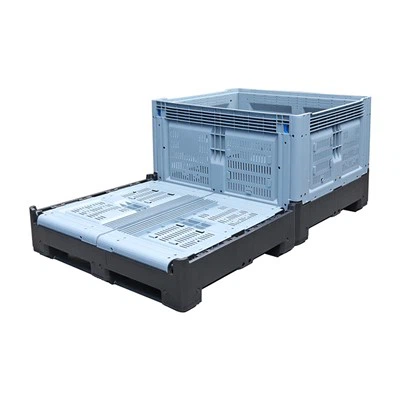
When selecting a BSF box for your hydroponic setup, there are several factors to consider. Our Black Soldier Fly Larvae Box is designed with these factors in mind.
- Size: The size of the BSF box should be appropriate for the amount of waste you generate and the scale of your hydroponic system. A larger box can handle more waste, but it also requires more space.
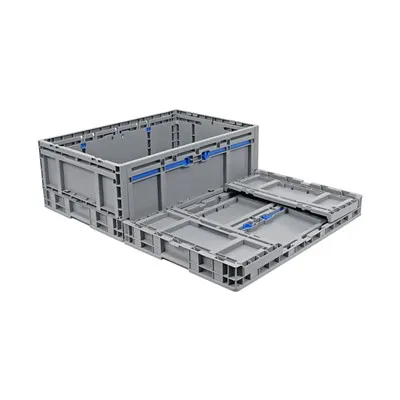
- Material: The box should be made of a durable and non - toxic material. Our boxes are made of high - quality plastic, which is resistant to moisture and can withstand the harsh conditions of insect breeding.
- Ventilation: Proper ventilation is crucial for the health of the BSF larvae. Our boxes are designed with ventilation holes to ensure a constant supply of fresh air.
- Ease of Use: The box should be easy to clean and maintain. Our Plastic Insect Breeding Trays BSF Farming are designed for easy access and cleaning, making the whole process hassle - free.
Setting Up the BSF Box
- Location: Choose a location for the BSF box that is away from direct sunlight and extreme temperatures. A shaded area with a stable temperature between 25 - 30°C is ideal for BSF larvae growth.
- Substrate: Line the bottom of the BSF box with a suitable substrate, such as shredded paper or cardboard. This provides a comfortable environment for the larvae to burrow and feed.
- Introducing the Larvae: Purchase BSF larvae from a reputable supplier. Place the larvae on the substrate and add a small amount of organic waste, such as fruit and vegetable scraps.
- Feeding: Feed the larvae regularly with organic waste. Make sure not to overfeed them, as this can lead to mold growth and other issues. A good rule of thumb is to add waste in small amounts and monitor the larvae's consumption.
Integrating the BSF Box with the Hydroponic System
- Collecting the Frass: Once the BSF larvae have completed their growth cycle and pupated, collect the frass from the BSF box. You can do this by sifting the contents of the box to separate the frass from the remaining waste and pupae.
- Preparing the Frass: Before adding the frass to the hydroponic system, it's important to prepare it properly. You can do this by diluting the frass in water and allowing it to steep for a few days. This will help to release the nutrients and make them more available to the plants.
- Adding the Frass to the Hydroponic System: Once the frass is ready, add it to the hydroponic nutrient solution. Start with a small amount and gradually increase the dosage as you monitor the plant's response.
Monitoring and Maintenance
- Monitoring the BSF Box: Regularly check the BSF box for signs of mold, pests, or other issues. Make sure the temperature and humidity levels are within the optimal range for BSF larvae growth.
- Monitoring the Hydroponic System: Keep an eye on the nutrient levels in the hydroponic system. Test the water regularly to ensure that the pH and nutrient concentrations are within the appropriate range for the plants.
- Maintenance: Clean the BSF box and the hydroponic system regularly to prevent the buildup of waste and debris. Replace the substrate in the BSF box every few weeks to maintain a healthy environment for the larvae.
Troubleshooting
- Mold Growth: If you notice mold growth in the BSF box, reduce the amount of moisture and increase ventilation. You can also remove the affected areas and replace the substrate.
- Pest Infestation: If pests are a problem, use natural pest control methods, such as introducing beneficial insects or using organic pesticides.
- Poor Plant Growth: If the plants in the hydroponic system are not growing well, check the nutrient levels and adjust the dosage of frass accordingly. You may also need to check the pH of the water and make any necessary adjustments.
Conclusion
Integrating a Black Soldier Fly box into a hydroponic setup is a smart and sustainable way to enhance your agricultural practices. By recycling organic waste and providing a natural source of nutrients for your plants, you can reduce your environmental impact and improve the efficiency of your farming.
If you're interested in purchasing a high - quality BSF box for your hydroponic setup, please feel free to reach out to us. We're here to assist you in making the most of this innovative approach to sustainable agriculture.
References
- Tomberlin, Jeffery K., et al. "Black soldier fly (Hermetia illucens) as an animal feed ingredient." Journal of Insects as Food and Feed 1.2 (2015): 105 - 120.
- Delaide, B., et al. "Bioconversion of organic wastes by black soldier fly larvae: process performance and fly development." Waste Management 34.11 (2014): 2285 - 2292.
- Resh, Vincent H. Hydroponic Food Production: A Definitive Guidebook for the Advanced Home Gardener and the Commercial Hydroponic Grower. CRC Press, 2012.