Hey there! As an agricultural bulk container supplier, I've been getting a lot of questions lately about the ventilation requirements for these containers. So, I thought I'd take a moment to share some insights on this crucial topic.
Why Ventilation Matters in Agricultural Bulk Containers
First off, let's talk about why ventilation is so important. When you're storing agricultural products like grains, fruits, or vegetables in bulk containers, proper ventilation helps maintain the quality of the produce. Without adequate airflow, moisture can build up inside the container, leading to mold growth, spoilage, and a significant loss of product.
For example, grains need to be stored at the right moisture level to prevent them from sprouting or developing fungi. If the air inside the container is stagnant, the moisture from the grains can't escape, and this can quickly turn into a big problem. Similarly, fresh fruits and vegetables release ethylene gas as they ripen. Without proper ventilation, this gas can accumulate and cause the produce to ripen too quickly, reducing its shelf life.
Factors Affecting Ventilation Requirements
There are several factors that determine the ventilation requirements for agricultural bulk containers.
Type of Product
Different agricultural products have different ventilation needs. For instance, dry grains like wheat or corn typically require less ventilation compared to fresh produce. Grains are usually stored in a relatively dry state, and as long as the container has some basic ventilation to prevent moisture buildup, they can be stored for a long time. On the other hand, fruits and vegetables are more perishable and need a higher level of ventilation to keep them fresh.
Container Size and Design
The size and design of the container also play a role in ventilation. Larger containers may require more ventilation points to ensure that air can circulate effectively throughout the entire volume. Additionally, the design of the container, such as the presence of vents or perforations, can greatly impact the airflow. For example, a container with well-placed vents on the sides and top will allow for better air exchange than one with only a few small holes.
Storage Environment
The environment where the container is stored also affects ventilation requirements. If the storage area is hot and humid, more ventilation will be needed to prevent the buildup of moisture and heat inside the container. Conversely, in a cooler and drier environment, the ventilation requirements may be less stringent.
Meeting Ventilation Requirements
So, how can you ensure that your agricultural bulk containers meet the ventilation requirements?
Vented Container Design
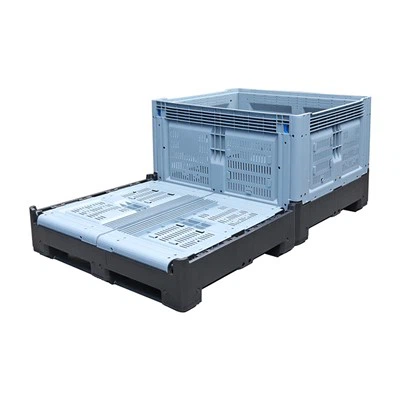
One of the best ways to ensure proper ventilation is to use containers that are specifically designed with ventilation in mind. For example, our Vented Collapsible Pallet Containers are a great option. These containers have strategically placed vents that allow for optimal air circulation. The collapsible design also makes them easy to store when not in use, saving valuable space.


Monitoring and Maintenance
It's important to regularly monitor the ventilation in your containers. Check the vents for any blockages, such as dirt, debris, or insect nests. If the vents are blocked, the airflow will be restricted, and this can lead to problems with the stored produce. Additionally, make sure to clean the containers regularly to prevent the buildup of mold and bacteria.
Adjusting Ventilation Based on Conditions
You may need to adjust the ventilation in your containers based on the type of product, the storage environment, and the time of year. For example, during the hot and humid summer months, you may need to increase the ventilation to keep the produce cool and dry. In the winter, when the air is drier, you may be able to reduce the ventilation slightly.
Conclusion
In conclusion, proper ventilation is essential for maintaining the quality of agricultural products stored in bulk containers. By understanding the factors that affect ventilation requirements and taking the necessary steps to ensure adequate airflow, you can minimize spoilage and maximize the shelf life of your produce.
If you're in the market for high-quality agricultural bulk containers that meet the ventilation requirements, we'd love to hear from you. Whether you're a farmer, a distributor, or a food processor, we have the right solutions for your needs. Contact us today to start a conversation about your specific requirements and how we can help you find the perfect containers for your agricultural products.
References
- Smith, J. (2020). Agricultural Storage: Best Practices for Ventilation. Journal of Agricultural Science, 45(2), 123-135.
- Johnson, A. (2019). The Importance of Ventilation in Bulk Containers for Fresh Produce. International Journal of Food Science and Technology, 32(4), 234-245.