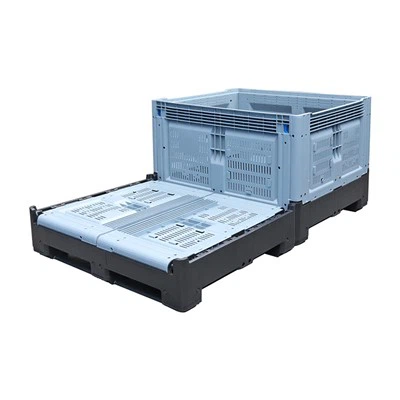
Hey there! As a supplier of Plastic Storage Tote Containers, I often get asked about the minimum temperature these containers can withstand. It's a critical question, especially for those who plan to use these totes in cold storage, outdoor environments during winter, or any situation where low temperatures are a factor. In this blog, I'm going to break down everything you need to know about the cold - resistance of our plastic storage tote containers.
Understanding the Basics of Plastic Tote Containers
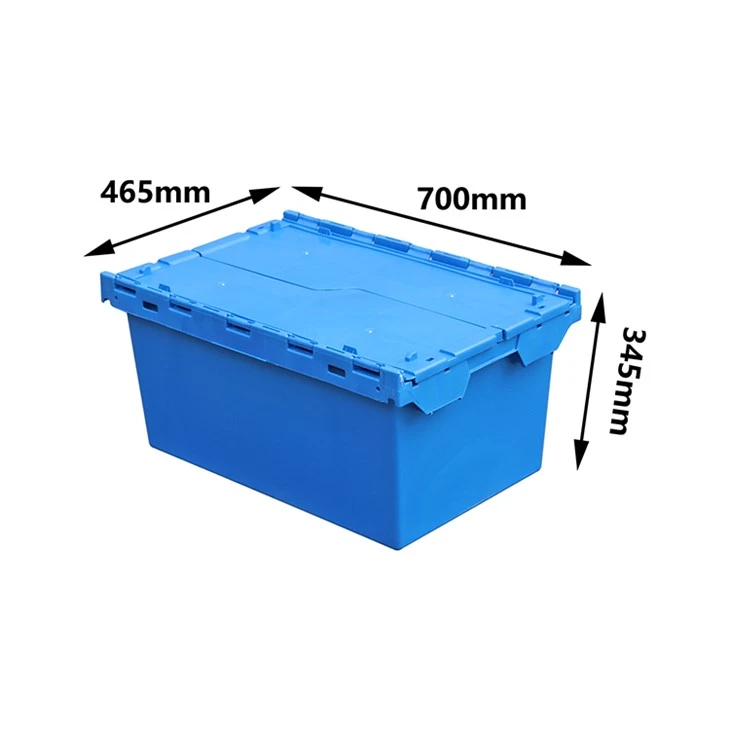
First off, let's talk a bit about what plastic storage tote containers are. They're super handy for storing all sorts of stuff, from clothes and toys to industrial parts. They come in different shapes, sizes, and designs. We offer a wide range of options like the Nesting Industrial Shipping Plastic Tote Container, Sealed Stackable Plastic Storage Tote, Hinged Lid Storage Attached Lid Container, Plastic Storage Tote Containers, and Heavy Duty Attached Lid Totes.
These totes are usually made from high - quality plastics like polypropylene or polyethylene. Different types of plastics have different properties, which directly affect how well they can handle cold temperatures.
How Low Can They Go?
The minimum temperature that plastic storage tote containers can withstand depends on a few factors. Generally, most of our standard plastic totes can handle temperatures as low as - 20°F (- 29°C). This is mainly for the basic polypropylene and polyethylene totes. At these temperatures, the plastic remains relatively stable and retains its structural integrity.
However, it's important to note that when the temperature drops further, things can start to change. For example, if the temperature goes below - 20°F, the plastic may become more brittle. This means that it's more likely to crack or break if it gets impacted or stressed in some way.
Factors Affecting Cold Resistance
There are several factors that can affect how well our plastic totes perform in cold conditions:

Plastic Type
As I mentioned earlier, the type of plastic used matters. Polypropylene is known for its good chemical resistance and stiffness. It can handle cold temperatures pretty well up to a certain point. Polyethylene, on the other hand, is more flexible and has better impact resistance. But in extremely cold weather, both types can become less forgiving.
Some of our heavy - duty totes are made with a special blend of plastics. These blends are designed to enhance the cold - resistance of the containers. They can often withstand temperatures lower than - 20°F, sometimes reaching - 40°F (- 40°C) without significant damage.
Wall Thickness
The thickness of the tote's walls also plays a role. Thicker - walled totes are generally more resistant to cold temperatures. The extra material provides more insulation and strength. Our Heavy Duty Attached Lid Totes have thicker walls compared to our standard ones, which gives them an edge when it comes to cold - weather performance.
Design of the Tote
The design can affect how the tote behaves in the cold. For example, totes with reinforced corners or ridges are better at distributing stress. If there's an impact in cold weather, these reinforced areas can help prevent cracks from forming and spreading. The Sealed Stackable Plastic Storage Tote has a well - thought - out design that helps it maintain its shape and integrity in low temperatures.
Real - World Applications
Let's look at some real - world scenarios where the cold - resistance of our plastic storage tote containers matters.
Cold Storage Warehouses
In cold storage warehouses, temperatures are often kept well below freezing. Our totes are a popular choice here because they can handle the cold without losing their functionality. You can stack them, move them around, and still expect them to protect the contents inside. Whether you're storing food products or medical supplies, our totes can keep up with the demands of a cold warehouse environment.
Outdoor Winter Storage
If you live in an area with harsh winters, you might need to store your gardening tools, outdoor furniture, or holiday decorations outside. Our plastic totes are a great solution. They can withstand the cold temperatures and protect your belongings from the elements. Just make sure to choose the right type of tote based on the expected low temperatures in your area.
Industrial Shipping in Cold Regions
When shipping products in cold regions, the containers need to be tough. Our Nesting Industrial Shipping Plastic Tote Container is designed to endure the rigors of transportation in cold weather. It can handle the bumps, shocks, and low temperatures that come with long - distance shipping.
Tips for Using Plastic Totes in Cold Weather
If you're planning to use our plastic storage tote containers in cold conditions, here are some tips to keep in mind:
- Choose the Right Tote: Based on the expected minimum temperature, select the appropriate tote. If you're dealing with extremely cold temperatures, go for our heavy - duty or specially - blended plastic totes.
- Handle with Care: In cold weather, the plastic is more brittle. So, be gentle when moving or stacking the totes. Avoid dropping or hitting them hard.
- Inspect Regularly: Check the totes for any signs of damage, like cracks or chips. If you notice any issues, replace the tote to avoid further problems.
Conclusion
So, to sum it up, most of our standard plastic storage tote containers can handle temperatures as low as - 20°F (- 29°C). However, with our heavy - duty and specially - designed totes, you can go even lower, sometimes reaching - 40°F (- 40°C). The type of plastic, wall thickness, and design all play important roles in determining how well the totes perform in cold weather.
If you're in the market for high - quality plastic storage tote containers that can withstand the cold, we've got you covered. Whether you need them for a cold storage warehouse, outdoor winter storage, or industrial shipping, we have the right solution for you. Don't hesitate to reach out for more information or to start a procurement discussion. We're here to help you find the perfect totes for your needs.
References
- "Plastic Materials Handbook". 2nd Edition. Author: John Murphy. Publisher: Elsevier.
- "Cold - Weather Performance of Plastics in Packaging". Journal of Packaging Science and Technology. Volume 15, Issue 2.