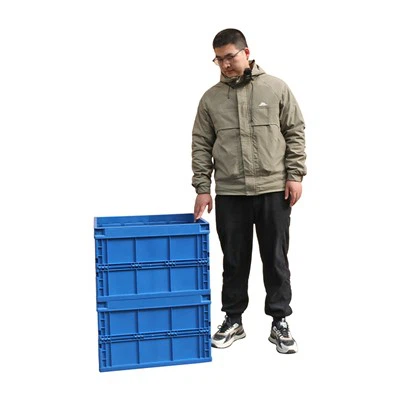
Hey there! I'm a supplier of vented bulk containers, and today I'm gonna chat with you about the materials these awesome containers are made of.
Plastic
Plastic is one of the most common materials for vented bulk containers. It's got a bunch of great features that make it a top - choice.
First off, plastic is lightweight. This means it's easy to move around, whether you're loading it onto a truck or just shifting it around in a warehouse. You don't need a whole team of strong guys to handle it. And when it comes to transportation costs, a lighter container can save you a lot of money in the long run.
Another big plus is its durability. Plastic can withstand a fair amount of wear and tear. It's resistant to corrosion, which is super important if you're storing things that might be a bit harsh on the container. For example, if you're using it to store chemicals or food products that could potentially cause rust or other forms of damage to metal containers, plastic is a much better option.
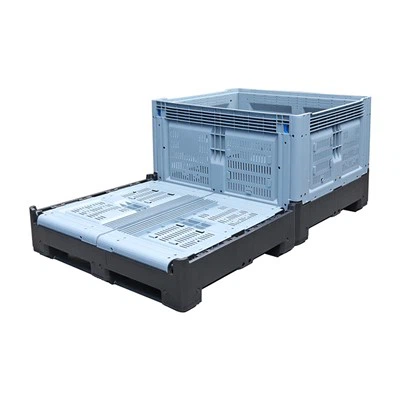
There are different types of plastics used in making vented bulk containers. High - density polyethylene (HDPE) is a popular one. It's tough, has good impact resistance, and can handle a wide range of temperatures. You can check out our Perforated Plastic Pallet Box which is made from high - quality HDPE. It's got those handy perforations that allow for great ventilation, which is perfect for storing items that need air circulation, like fruits and vegetables.
Metal
Metal is also a material you'll often see in vented bulk containers. Steel and aluminum are the two main metals used.
Steel is known for its strength. It can hold a large amount of weight without deforming. If you're dealing with heavy items, like industrial parts or large machinery components, a steel vented bulk container is a great choice. It's built to last and can handle the rough and tumble of industrial environments.
However, steel does have a downside. It's prone to rust if it's exposed to moisture for long periods. That's why many steel containers are coated with a protective layer to prevent rusting. This coating adds an extra step and cost to the manufacturing process, but it's worth it to ensure the container's longevity.
Aluminum, on the other hand, is lighter than steel. It's also corrosion - resistant, which is a huge advantage. Aluminum vented bulk containers are often used in industries where weight is a concern, like the aerospace industry. They're also great for outdoor use because they won't rust like steel. But aluminum is a bit more expensive than steel, so that's something to consider when making a choice.
Wood
Wood has been used for containers for ages, and vented bulk containers are no exception. Wood is a natural and renewable material, which is a big plus for those who are environmentally conscious.
One of the benefits of wood is its insulation properties. It can help keep the contents of the container at a more stable temperature. This is useful if you're storing items that are sensitive to temperature changes, like certain types of food or electronics.
Wood is also relatively easy to work with. You can customize the size and shape of a wooden vented bulk container quite easily. You can add vents in the right places to ensure proper air circulation. However, wood does require some maintenance. It can rot if it gets wet, and it's also susceptible to pests like termites. So, you need to treat the wood properly to keep it in good condition.
Composite Materials
Composite materials are becoming more and more popular in the world of vented bulk containers. These materials are made by combining two or more different materials to get the best of both worlds.
For example, a composite container might combine the strength of metal with the lightweight properties of plastic. This can result in a container that's strong enough to hold heavy loads but still easy to move around. Composite materials can also be designed to have specific properties, like high resistance to chemicals or extreme temperatures.


The manufacturing process for composite materials can be a bit more complex than for single - material containers. But the end result is often a container that offers better performance and durability compared to traditional materials.
Factors to Consider When Choosing the Material
When you're in the market for a vented bulk container, there are a few things you need to think about before deciding on the material.
First, consider what you're going to be storing in the container. If it's food products, you'll want a material that's food - safe and can provide good ventilation to keep the food fresh. Plastic or wood might be good options in this case. If you're storing heavy industrial equipment, a steel or composite container would be more suitable.
The environment where the container will be used is also important. If it's going to be outdoors, you'll need a material that can withstand the elements. Aluminum or a well - coated steel container would be a good choice. If it's for indoor use in a warehouse, you have more flexibility in terms of material selection.
Cost is another factor. Different materials have different price points. You need to balance your budget with the performance and durability you need from the container. Sometimes, spending a bit more upfront on a high - quality container can save you money in the long run due to its longer lifespan.
Conclusion
In conclusion, there are several materials used to make vented bulk containers, each with its own set of pros and cons. Plastic offers lightweight and durable options, metal provides strength, wood has insulation properties, and composite materials combine the best of different materials.
If you're interested in purchasing vented bulk containers, I'd love to have a chat with you. We can discuss your specific needs and find the perfect container for you. Whether it's a Perforated Plastic Pallet Box or a custom - made composite container, we've got you covered. Don't hesitate to reach out for a quote and let's start this journey together!
References
- "Materials for Industrial Containers" - Industrial Materials Handbook
- "Vented Container Design and Material Selection" - Journal of Container Science