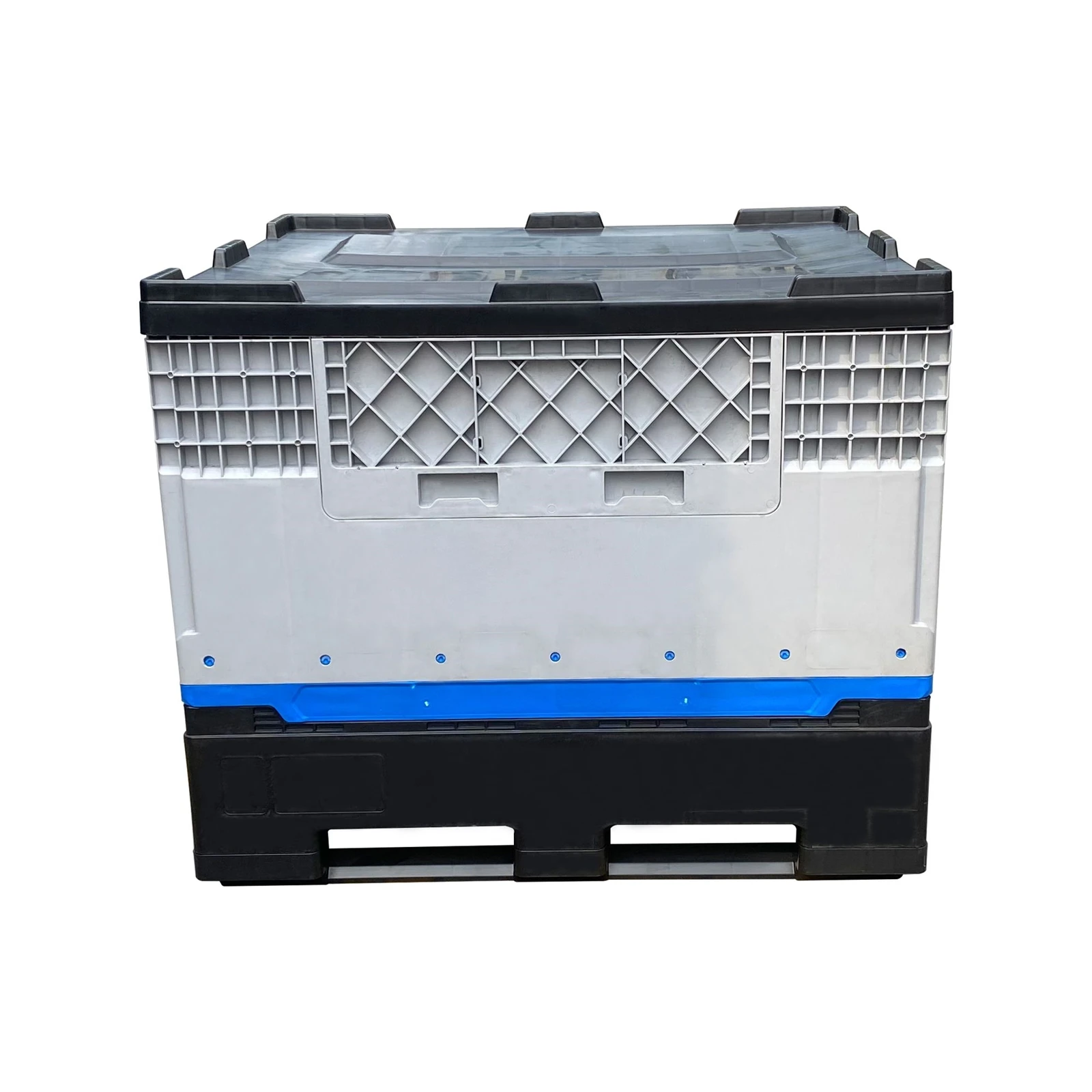
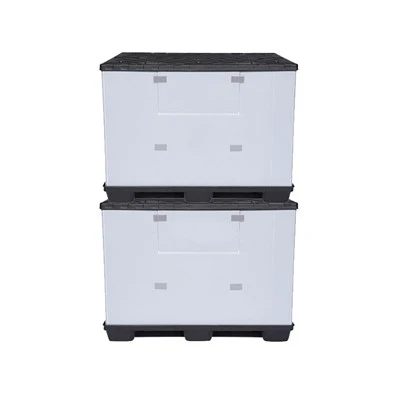
The value of plastic turnover boxes lies not only in their manufacturing and usage phases, but also in the end and restart of their life cycle. Building a circular economy system is an indispensable green chapter in this technological journey.
1. Long-term Circular Use: High-quality plastic turnover boxes have a design life of several years or even more than ten years. By establishing a comprehensive leasing, sharing, and recycling network, the boxes can be repeatedly circulated and used among different users in the supply chain, maximizing their physical lifespan and reducing resource consumption and waste generation at the source.
2. Recycling and Regeneration: When turnover boxes can no longer be used due to age or damage, they should not be simply discarded. Professional recycling channels will collect and sort them. Through processes such as crushing, cleaning, and melting granulation, these old boxes can be transformed into high-quality recycled plastic granules. These recycled materials can be used to produce plastic products with slightly lower mechanical performance requirements, or, through a certain proportion of blending, be reused to manufacture new turnover boxes, achieving a closed-loop cycle of materials.
3. Green Design and Traceability: Future development trends place greater emphasis on ecological design. For example, efforts are being made to standardize box materials to facilitate subsequent recycling; exploring more easily recyclable bio-based or biodegradable materials (while meeting durability requirements); and utilizing identification technologies such as QR codes to give each box a "digital identity," tracking its circulation location, usage times, and life cycle status, providing data support for refined management and efficient recycling.