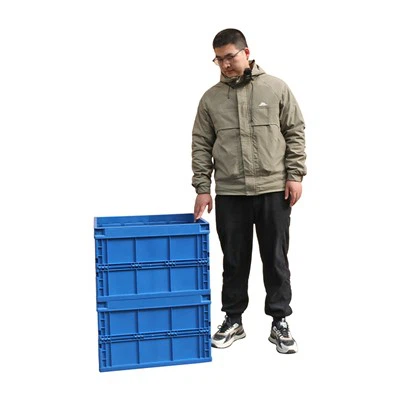
As an agricultural bulk container supplier, I understand the significance of adapting our products to various harvesting methods. In the agricultural industry, the harvesting process varies significantly depending on factors such as the type of crop, the scale of the farm, and the available technology. Therefore, it is crucial for agricultural bulk containers to be versatile enough to meet the diverse needs of different harvesting scenarios. In this blog post, I will explore several ways to adapt agricultural bulk containers to different harvesting methods.
Understanding Different Harvesting Methods
Before delving into how to adapt containers, it's essential to understand the various harvesting methods commonly used in agriculture.
Manual Harvesting
Manual harvesting is a traditional method where workers use hand - tools such as sickles, knives, or shears to harvest crops. This method is often used for delicate crops like berries, grapes, and some leafy greens. It requires precision and is labor - intensive but allows for selective harvesting, ensuring only the ripest and highest - quality produce is collected.
Mechanical Harvesting
Mechanical harvesting involves the use of machinery to harvest crops. For example, combine harvesters are commonly used for grains such as wheat, corn, and rice. These machines can cut, thresh, and clean the crops in one operation, significantly increasing the efficiency of the harvesting process. Other types of mechanical harvesters are designed for specific crops, like potato harvesters or citrus harvesters.
Semi - mechanical Harvesting
Semi - mechanical harvesting combines elements of both manual and mechanical methods. In this approach, workers may use small - scale machinery to assist in the harvesting process, such as handheld vacuum harvesters for some fruits or small tractors with attachments for root vegetables.
Adapting Containers for Manual Harvesting
Size and Shape
For manual harvesting, containers should be designed to be easily handled by workers. Smaller, lightweight containers are often preferred as they can be carried comfortably during the harvesting process. For example, a container with a capacity of 20 - 30 liters can be easily lifted and moved by a single worker. The shape of the container should also allow for easy access to place the harvested crops. Containers with wide openings and shallow depths are ideal for this purpose, as they minimize the risk of damaging the delicate crops during loading.
Ventilation
Many crops harvested manually are highly perishable, such as strawberries or lettuce. Therefore, proper ventilation is crucial to prevent the build - up of heat and moisture inside the container, which can lead to spoilage. Our Vented Collapsible Pallet Containers are an excellent choice for this type of harvesting. They feature ventilation holes that allow air to circulate freely, keeping the produce fresh for longer periods.
Adapting Containers for Mechanical Harvesting
Durability
Mechanical harvesting can be a rough process, with crops being loaded quickly and often forcefully into the containers. As a result, containers must be extremely durable to withstand the impact and weight of the harvested crops. Our agricultural bulk containers are made from high - density polyethylene (HDPE), a material known for its strength and resistance to damage. This ensures that the containers can endure the rigors of mechanical harvesting without cracking or breaking.
Compatibility with Equipment
The containers should be designed to be compatible with the mechanical harvesting equipment. For example, they should have proper dimensions and attachment points to fit onto the conveyors or automated loading systems of the harvesting machines. Some containers are designed with a standardized pallet size to ensure seamless integration with forklifts and other handling equipment, which is crucial for efficient transfer of the harvested crops from the field to storage or transport.
Adapting Containers for Semi - mechanical Harvesting
Flexibility
Semi - mechanical harvesting often involves a combination of different tools and techniques. Therefore, the containers need to be flexible in terms of their usage. They should be able to accommodate crops harvested using both manual and small - scale mechanical means. For instance, a container with multiple compartments can be used to separate different types of produce or to organize crops based on their quality during the semi - mechanical harvesting process.
Portability
Since semi - mechanical harvesting may involve moving the harvesting equipment and containers around the field, portability is an important factor. Containers that are easy to move, either by hand or with the help of small vehicles, are essential. Collapsible containers are a great option as they can be easily transported and stored when not in use, saving space and reducing transportation costs.
Customization Options
In addition to the general adaptations mentioned above, we also offer customization options for our agricultural bulk containers. This allows farmers and agricultural businesses to tailor the containers to their specific harvesting needs.
Material Customization
We can adjust the thickness and type of material used in the container based on the requirements of the crop and the harvesting method. For example, if a crop is particularly abrasive, we can use a more wear - resistant material to ensure the longevity of the container.
Design Customization
Custom designs can include adding specific features such as dividers, labels, or handles. Dividers can be used to separate different types of crops or to prevent damage to the produce during transportation. Labels can be added to provide information about the crop, such as the variety, date of harvest, and origin. Handles can be designed for easy gripping and handling, especially for manual or semi - mechanical harvesting.
Conclusion
Adapting agricultural bulk containers to different harvesting methods is essential for the efficient and sustainable operation of the agricultural industry. By understanding the unique requirements of each harvesting method and offering versatile and customizable container solutions, we can help farmers and agricultural businesses improve their productivity, reduce waste, and ensure the quality of their produce.
If you are interested in learning more about our agricultural bulk containers or would like to discuss your specific needs for adapting containers to your harvesting methods, please feel free to contact us for procurement and further discussion. We are committed to providing the best - suited container solutions for your agricultural operations.


References
- Thompson, J. F., et al. "Postharvest Technology of Horticultural Crops." University of California Division of Agriculture and Natural Resources, 2018.
- Kader, A. A. "Postharvest Biology and Technology of Perishable Horticultural Commodities." CAB International, 2002.