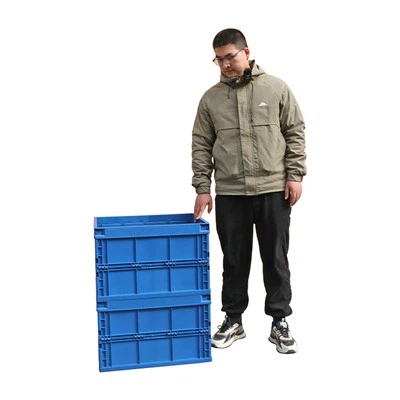
When it comes to the logistics and storage of goods, Plastic Moving Turnover Tote Boxes are a popular choice for many businesses. As a supplier of Plastic Moving Turnover Tote Box, I understand the importance of keeping items secure within these boxes during transportation and storage. In this blog, I will share some effective strategies to prevent items from shifting in plastic moving turnover tote boxes.
Understanding the Problem
Before we delve into the solutions, it's essential to understand why items shift in tote boxes. During transportation, factors such as vibrations from vehicles, sudden stops, and turns can cause items to move around. In storage, improper stacking or external pressure can also lead to item displacement. Shifting items can result in damage to the products, making it crucial to find ways to keep them in place.
Choosing the Right Tote Box
The first step in preventing item shifting is to select the appropriate tote box. Plastic Round Trip Totes come in various sizes, shapes, and designs. Consider the size and weight of the items you will be storing. A tote that is too large for the items will allow them to move freely, while a box that is too small may not fit the items properly.
Additionally, look for tote boxes with features that enhance stability. Nesting Industrial Shipping Plastic Tote Container are designed to stack securely, reducing the risk of boxes toppling over and causing items to shift. Totes with non - slip bottoms or interlocking mechanisms can also provide better stability during transportation and storage.
Proper Loading Techniques
How you load the items into the tote box can significantly impact their stability. Start by placing heavier items at the bottom of the box. This creates a stable base and lowers the center of gravity, reducing the likelihood of the box tipping over. Distribute the weight evenly across the box to prevent one side from being heavier than the other.
If possible, arrange the items in an orderly manner. For example, stack boxes or containers neatly on top of each other. Use dividers or compartments within the tote box to separate different items. This not only keeps the items organized but also prevents them from knocking into each other and shifting.
Using Internal Padding
Internal padding is an effective way to prevent items from shifting. There are several types of padding materials available, such as bubble wrap, foam inserts, and packing peanuts. Wrap fragile or easily movable items in bubble wrap to provide a cushioning effect. Foam inserts can be custom - cut to fit the shape of the items, holding them firmly in place.
Packing peanuts are a cost - effective option for filling empty spaces within the tote box. They can conform to the shape of the items and prevent them from moving around. However, make sure to use biodegradable packing peanuts if environmental concerns are a factor.
Securing the Lid
A properly secured lid is essential for keeping items in place. Hinged Lid Storage Attached Lid Container are designed to provide a tight seal. Ensure that the lid is fully closed and latched before transporting or storing the tote box. Some lids may have additional locking mechanisms, such as snaps or clips, which can further enhance the security of the contents.

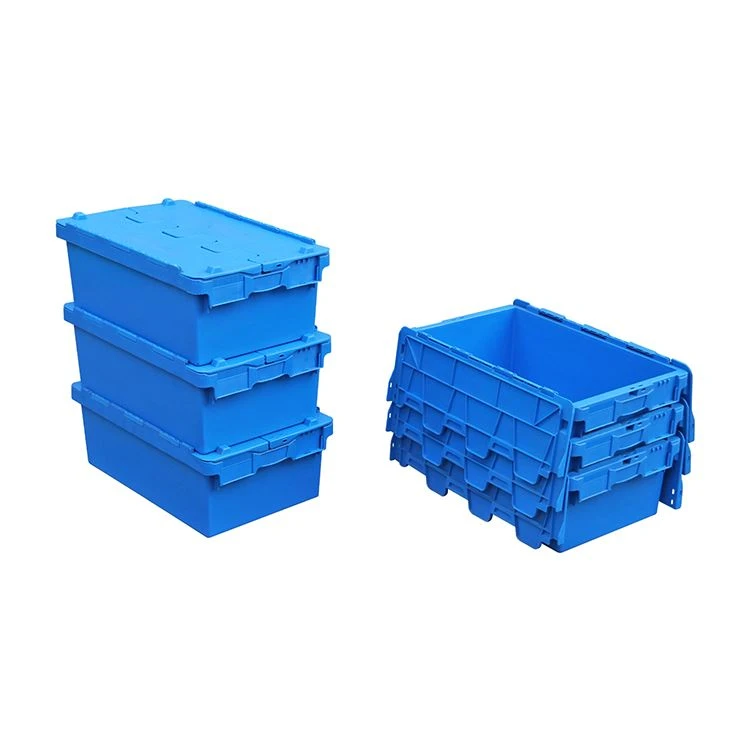
If the tote box does not have a secure lid, you can use tape to seal the edges. However, be careful not to use too much tape, as it may be difficult to open the box later.
Stacking and Storage Considerations
Proper stacking and storage of tote boxes can also prevent item shifting. When stacking the boxes, make sure they are aligned properly. Uneven stacking can cause the boxes to become unstable and increase the risk of items shifting. Avoid over - stacking the boxes, as this can put excessive pressure on the bottom boxes and cause them to deform.
Store the tote boxes on a flat and stable surface. If possible, use storage racks or shelves to keep the boxes organized and prevent them from being knocked over. During transportation, secure the tote boxes to the vehicle to prevent them from sliding around.
Using Straps or Bands
For larger or heavier items, using straps or bands can provide additional support. You can use ratchet straps to secure the items within the tote box. This helps to hold them in place and prevents them from moving during transportation. Make sure the straps are tightened properly but not so tightly that they damage the items.
Temperature and Humidity Control
Extreme temperatures and humidity levels can also affect the stability of items in tote boxes. For example, high humidity can cause some materials to expand or become damp, leading to item shifting. If possible, store the tote boxes in a climate - controlled environment. This can help to maintain the integrity of the items and prevent them from being affected by environmental factors.
Regular Inspection
Regularly inspect the tote boxes and their contents. Check for any signs of item shifting, damage to the box, or wear and tear on the lid or locking mechanisms. If you notice any issues, take immediate action to correct them. This may involve re - arranging the items, replacing damaged boxes, or tightening the lid.
Conclusion
Preventing items from shifting in plastic moving turnover tote boxes is crucial for protecting your products during transportation and storage. By choosing the right tote box, using proper loading techniques, adding internal padding, securing the lid, considering stacking and storage conditions, using straps or bands, controlling temperature and humidity, and conducting regular inspections, you can minimize the risk of item displacement.
As a supplier of a wide range of high - quality Plastic Moving Turnover Tote Box, Plastic Round Trip Totes, Nesting Industrial Shipping Plastic Tote Container, Hinged Lid Storage Attached Lid Container, and Sealed Stackable Plastic Storage Tote, we are dedicated to providing solutions that meet your specific needs. If you are interested in learning more about our products or would like to discuss your procurement requirements, please feel free to reach out to us. We look forward to the opportunity to work with you and help you optimize your logistics and storage processes.
References
- Packaging and Storage Handbook: A Guide to Protecting Goods During Transit and Storage
- Logistics Management: Best Practices for Efficient Supply Chain Operations
- Plastic Container Manufacturing and Design: Innovations in the Industry