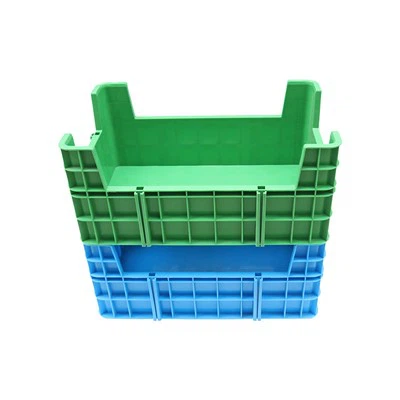
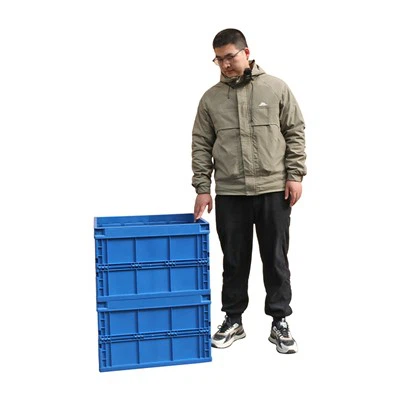
Hey there! As a supplier of plastic pallet containers, I know how crucial it is to maintain their hygiene. Not only does it ensure the safety of the goods they carry, but it also extends the lifespan of these containers. In this blog, I'll share some practical tips on how to keep your plastic pallet containers in top - notch condition.

Why Hygiene Matters
First off, let's talk about why maintaining hygiene is so important. Plastic pallet containers are used to transport and store all sorts of goods, from food products to industrial parts. If these containers aren't clean, they can harbor bacteria, mold, and other contaminants. For food items, this can lead to spoilage and even health risks for consumers. In industrial settings, dirty containers can damage the products they hold or cause malfunctions in machinery that comes into contact with them.
Regular Cleaning
The most basic step in maintaining hygiene is regular cleaning. You should clean your plastic pallet containers after each use or at least on a regular schedule, depending on how often they're used.
Manual Cleaning
For light soiling, a simple manual cleaning can do the trick. Fill a bucket with warm water and add a mild detergent. Use a soft - bristle brush or a sponge to scrub the container inside and out. Pay special attention to corners and crevices where dirt can accumulate. Rinse the container thoroughly with clean water to remove all traces of detergent.
Pressure Washing
For more stubborn dirt and grime, pressure washing can be very effective. You can use a pressure washer with a suitable nozzle to blast away dirt from the container's surface. However, be careful not to use too much pressure, as it can damage the plastic. Keep the nozzle at a safe distance from the container and move it in a steady, even motion.
Disinfection
Cleaning is just one part of the equation. Disinfection is equally important, especially when dealing with containers that carry food or medical supplies.
Chemical Disinfectants
There are many chemical disinfectants available on the market that are suitable for plastic. Look for disinfectants that are specifically formulated for use on plastics and are effective against a wide range of bacteria and viruses. Follow the manufacturer's instructions carefully when using these disinfectants. Usually, you'll need to dilute the disinfectant in water and then apply it to the container's surface. Let it sit for the recommended amount of time before rinsing it off.
Heat Disinfection
Another option is heat disinfection. Some plastic pallet containers can withstand high temperatures. You can use a steam cleaner to disinfect the containers. The high - temperature steam can kill bacteria and other pathogens. However, make sure your containers are heat - resistant before attempting this method.
Storage
Proper storage also plays a big role in maintaining the hygiene of plastic pallet containers.
Dry Storage
After cleaning and disinfecting, make sure the containers are completely dry before storing them. Moisture can promote the growth of mold and mildew. Store the containers in a dry, well - ventilated area. Avoid storing them in damp basements or areas prone to flooding.
Stacking
When stacking the containers, make sure they're stacked in a stable and organized manner. This not only helps save space but also prevents damage to the containers. If the containers are damaged, it can create areas where dirt and bacteria can accumulate.
Inspection
Regular inspection is essential to catch any hygiene issues early.
Visual Inspection
Do a visual inspection of the containers before and after each use. Look for signs of damage, such as cracks, scratches, or holes. These can be potential breeding grounds for bacteria. If you find any damaged containers, repair or replace them as soon as possible.
Odor Check
Pay attention to any unusual odors coming from the containers. A foul smell could indicate the presence of bacteria or mold. If you detect an odor, clean and disinfect the container immediately.
Special Considerations for Different Types of Containers
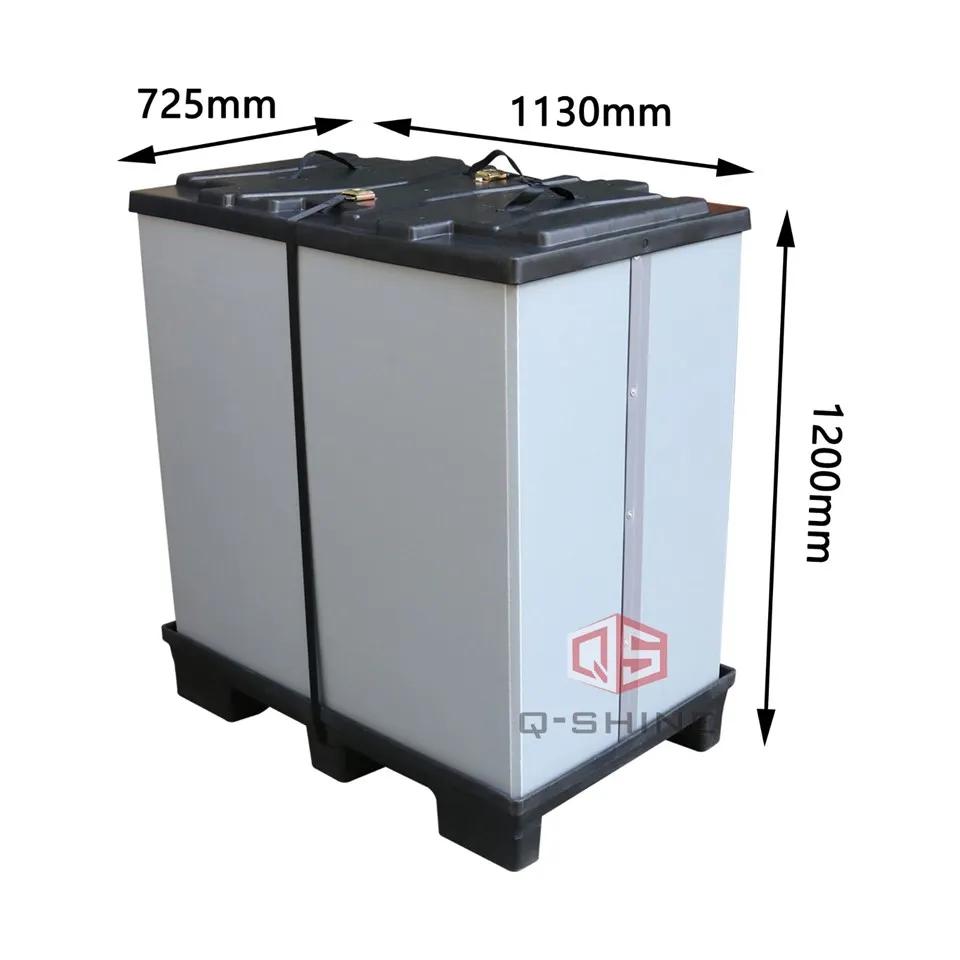
We offer a variety of plastic pallet containers, such as the Reusable Sleeve Pack Pallet Container, Plastic Sleeve Pallet Box, and Industry Folding Plastic Pallet Boxes. Each type may have specific hygiene requirements.
Reusable Sleeve Pack Pallet Container
These containers are often used for transporting and storing bulk items. They have a sleeve design that can be easily removed and cleaned. Make sure to clean both the sleeve and the base of the container thoroughly. Check the seals and joints regularly to ensure they're intact and free from dirt.
Plastic Sleeve Pallet Box
The folding feature of these boxes makes them convenient for storage. However, the folds can trap dirt and debris. When cleaning, pay extra attention to the folded areas. Use a small brush to clean the creases and make sure all parts of the box are clean.
Industry Folding Plastic Pallet Boxes
These boxes are designed for industrial use and may be exposed to more heavy - duty dirt and chemicals. Use a stronger cleaning solution if necessary, but always test it on a small, inconspicuous area first to make sure it doesn't damage the plastic.
Conclusion
Maintaining the hygiene of plastic pallet containers is a multi - step process that involves regular cleaning, disinfection, proper storage, and inspection. By following these tips, you can ensure that your containers are clean, safe, and in good condition.
If you're in the market for high - quality plastic pallet containers or need more advice on maintaining their hygiene, don't hesitate to reach out. We're here to help you make the best choices for your business. Whether you need a small batch of containers or a large - scale order, we've got you covered.
References
- "Plastic Container Hygiene Guidelines" - Various industry publications
- Manufacturer's instructions for plastic pallet containers