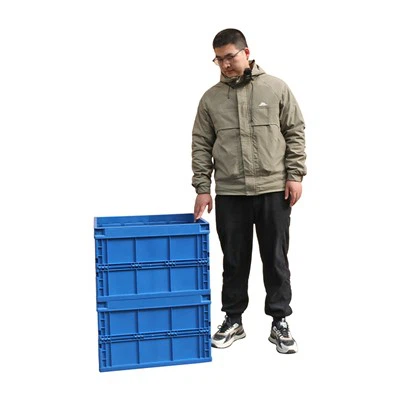
When it comes to breeding mealworms, maintaining the right environmental conditions is crucial for their health and growth. One common question that arises among mealworm breeders is whether it's safe to use a humidifier or dehumidifier near the mealworm tray. As a supplier of Mealworm Tray, I've encountered this query numerous times, and in this blog post, I'll delve into the scientific aspects of this issue to provide you with a comprehensive answer.
Understanding the Ideal Environment for Mealworms
Mealworms, the larvae of the darkling beetle, thrive in specific environmental conditions. They prefer a temperature range of 70 - 80°F (21 - 27°C) and a relative humidity level between 40% - 60%. These conditions mimic their natural habitat and promote healthy growth, molting, and reproduction.
Temperature affects the metabolic rate of mealworms. Higher temperatures can speed up their growth, but if it gets too hot, it can cause stress and even death. On the other hand, lower temperatures slow down their development. Humidity, meanwhile, plays a vital role in preventing dehydration and maintaining the integrity of their exoskeleton.
The Role of Humidifiers
A humidifier is a device that increases the moisture content in the air. In a mealworm breeding setup, using a humidifier can be beneficial in certain situations.
Benefits of Using a Humidifier
- Preventing Dehydration: In dry environments, mealworms can lose moisture rapidly, leading to dehydration. A humidifier can help maintain the proper humidity level, ensuring that the mealworms stay hydrated.
- Facilitating Molting: Molting is a critical process in the mealworm's life cycle. Adequate humidity can make it easier for them to shed their old exoskeleton and grow a new one. If the air is too dry, the exoskeleton may become brittle, making it difficult for the mealworm to molt successfully.
Potential Risks of Using a Humidifier
- Mold Growth: Excessive humidity can create a breeding ground for mold and fungi. These can contaminate the mealworm's food and substrate, leading to health problems and even death. It's essential to monitor the humidity level closely and ensure that it doesn't exceed the recommended range.
- Bacterial Growth: High humidity can also promote the growth of bacteria. This can lead to infections and diseases in the mealworms, reducing their overall health and productivity.
The Role of Dehumidifiers
A dehumidifier, as the name suggests, reduces the moisture content in the air. It can be useful in situations where the humidity is too high.
Benefits of Using a Dehumidifier
- Preventing Mold and Bacteria: In areas with high humidity, using a dehumidifier can help keep the environment dry and prevent the growth of mold and bacteria. This can protect the mealworms from potential health risks.
- Improving Air Quality: Excess moisture in the air can make it feel stuffy and uncomfortable. A dehumidifier can help improve the air quality, creating a more pleasant environment for both the mealworms and the breeder.
Potential Risks of Using a Dehumidifier
- Dehydration: If the dehumidifier is set too high or used for an extended period, it can cause the air to become too dry. This can lead to dehydration in the mealworms, affecting their growth and survival.
- Stress: Sudden changes in humidity can cause stress to the mealworms. It's important to make gradual adjustments when using a dehumidifier to avoid causing unnecessary stress.
Using a Humidifier or Dehumidifier Near the Mealworm Tray
Now that we've discussed the benefits and risks of using a humidifier and dehumidifier, let's consider whether it's safe to use them near the mealworm tray.


Safety Considerations
- Distance: It's important to keep the humidifier or dehumidifier at a safe distance from the mealworm tray. This can prevent direct exposure to the moisture or dry air, reducing the risk of mold growth or dehydration. A distance of at least 1 - 2 feet is recommended.
- Monitoring: Regularly monitor the humidity level in the breeding area using a hygrometer. This will help you adjust the settings of the humidifier or dehumidifier as needed to maintain the ideal humidity range.
- Ventilation: Ensure that the breeding area is well-ventilated. This can help prevent the buildup of moisture or dry air and improve the overall air quality.
Best Practices
- Start Slowly: If you're using a humidifier or dehumidifier for the first time, start with a low setting and gradually increase it as needed. This will allow the mealworms to adjust to the changes in humidity.
- Clean Regularly: Clean the humidifier or dehumidifier regularly to prevent the growth of mold and bacteria. Follow the manufacturer's instructions for cleaning and maintenance.
- Observe the Mealworms: Pay close attention to the behavior and health of the mealworms. If you notice any signs of stress, such as lethargy or abnormal molting, adjust the humidity level accordingly.
Our Products for Mealworm Breeding
As a leading supplier of Mealworm Tray, we offer a range of high-quality products designed to meet the needs of mealworm breeders. Our trays are made from durable plastic materials that are easy to clean and maintain. They provide a comfortable and secure environment for the mealworms to grow and thrive.
In addition to our mealworm trays, we also offer Insect Boxes for Breeding Mealworms and Black Soldier Fly Larvae Box. These products are designed to provide a suitable habitat for different types of insects, ensuring optimal growth and productivity.
Contact Us for Procurement
If you're interested in purchasing our mealworm trays or other insect breeding products, we encourage you to contact us for procurement. Our team of experts is ready to assist you with any questions you may have and provide you with the best solutions for your breeding needs. Whether you're a small-scale breeder or a large commercial operation, we can offer you high-quality products at competitive prices.
References
- D'Aguilar, J. M., & Jarry, M. (1981). Influence of temperature and humidity on the development of Tenebrio molitor L. (Coleoptera: Tenebrionidae). Annales de Zoologie Écologie Animale, 13(1), 29 - 40.
- Rumbos, C. A., & Athanassiou, C. G. (2017). Influence of temperature and relative humidity on the development and survival of the yellow mealworm, Tenebrio molitor L. (Coleoptera: Tenebrionidae). Journal of Stored Products Research, 73, 1 - 6.