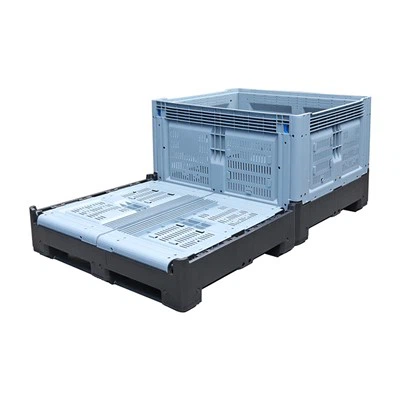
Hey there! I'm a supplier of mealworm trays, and I know firsthand how frustrating it can be to deal with pests in your mealworm setup. Pests can not only damage your mealworms but also contaminate the trays, leading to a loss of product and potential health risks. In this blog, I'm gonna share some practical tips on how to protect your mealworm tray from pests.


Understanding the Common Pests
Before we dive into the prevention methods, it's important to know what kind of pests we're up against. The most common pests that can infest mealworm trays include mites, beetles, and flies.
Mites are tiny arachnids that can multiply rapidly in the warm and humid environment of a mealworm tray. They feed on the mealworms and their waste, which can lead to a decrease in the mealworm population. Beetles, such as flour beetles, can also be a problem. They're attracted to the grain and meal in the tray and can damage the mealworms by biting them. Flies, especially fruit flies and houseflies, can lay eggs in the tray, and their larvae can compete with the mealworms for food and space.
Keeping the Environment Clean
One of the most effective ways to prevent pest infestations is to keep the mealworm tray clean. Regularly remove any dead mealworms, uneaten food, and feces from the tray. This not only reduces the food source for pests but also helps to maintain a healthy environment for the mealworms.
I recommend cleaning the tray at least once a week. Use a small sieve to separate the mealworms from the waste. You can then transfer the mealworms to a clean tray with fresh bedding and food. Make sure to wash the old tray thoroughly with warm, soapy water and dry it completely before using it again.
Proper Storage of Food
The food you feed your mealworms can also attract pests. To prevent this, store the food in airtight containers. This will keep the pests out and help to maintain the freshness of the food.
When you're adding food to the mealworm tray, only add as much as the mealworms can consume in a few days. This will prevent the food from spoiling and attracting pests. Avoid leaving any food scraps in the tray for too long.
Using Physical Barriers
Physical barriers can be an effective way to keep pests out of the mealworm tray. You can use a fine mesh screen to cover the top of the tray. This will allow air to circulate while preventing pests from getting in.
Make sure the mesh is small enough to keep out mites and other tiny pests. You can also use a lid on the tray, but make sure it has ventilation holes to prevent the build-up of moisture.
Biological Control
Another option for pest control is biological control. This involves using natural predators to control the pest population. For example, you can introduce predatory mites or beetles that feed on the pests in the mealworm tray.
However, it's important to be careful when using biological control. Make sure the predators you introduce are not harmful to the mealworms. You should also monitor the population of the predators to make sure they don't get out of control.
Chemical Control
If the pest infestation is severe, you may need to use chemical control methods. There are several pesticides available that are safe to use around mealworms. However, it's important to follow the instructions on the label carefully.
Before using any pesticides, make sure to remove the mealworms from the tray. You can then treat the tray with the pesticide and let it dry completely before putting the mealworms back in.
Choosing the Right Equipment
Using the right equipment can also help to prevent pest infestations. For example, Black Soldier Fly Compost Bin, Black Soldier Fly Larvae Box, and Plastic Insect Breeding Trays BSF Farming are all designed to provide a clean and pest-free environment for insects. These products are made of high-quality materials that are easy to clean and maintain.
Regular Inspections
Regular inspections are crucial for detecting pest infestations early. Check the mealworm tray at least once a week for signs of pests, such as mites, beetles, or flies. Look for any unusual behavior or damage to the mealworms.
If you notice any signs of pests, take action immediately. The sooner you address the problem, the easier it will be to control the infestation.
Conclusion
Protecting your mealworm tray from pests is essential for maintaining a healthy and productive mealworm population. By following these tips, you can reduce the risk of pest infestations and ensure the success of your mealworm farming operation.
If you're interested in purchasing high-quality mealworm trays or other insect farming equipment, feel free to reach out for a purchase negotiation. We're here to help you find the best solutions for your needs.
References
- Smith, J. (2020). Pest Management in Insect Farming. Journal of Insect Science, 20(3), 1-10.
- Johnson, A. (2019). The Importance of Cleanliness in Mealworm Farming. Insect Farming Today, 15(2), 22-27.