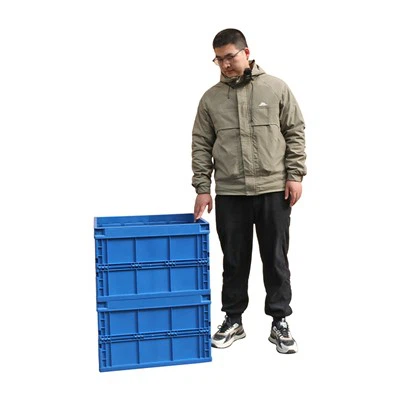
Hey there! As a plastic insect box supplier, I often get asked about how to choose the right size of these boxes. It's not as simple as it might seem at first glance. There are a bunch of factors to consider, and I'm here to walk you through them.
Understanding Your Insects' Needs
First off, you gotta know what kind of insects you're dealing with. Different insects have different space requirements. For example, black soldier flies and mealworms have very distinct needs.
Black soldier flies are pretty active and need some room to move around. They go through different life stages, and each stage might require a different amount of space. For their larval stage, they need enough room to feed and grow. You can check out our Black Soldier Fly Box which is designed to meet these needs.
Mealworms, on the other hand, are a bit more compact. They can tolerate being in closer quarters, but they still need enough space to move and molt. Our Insect Boxes for Breeding Mealworms are specifically crafted to provide the right environment for these little critters.
The Number of Insects
Another crucial factor is the number of insects you plan to keep in the box. If you're just starting out with a small number, you can get away with a smaller box. But if you're looking to scale up your insect - breeding operation, you'll need a larger one.
Let's say you're starting with a few dozen black soldier fly larvae. A small box might be sufficient at first. But as they grow and multiply, you'll need to transfer them to a bigger container. This is where our Plastic Insect Breeding Trays BSF Farming come in handy. They can be stacked and expanded as your insect population grows.


Growth and Development
Insects grow and develop over time, and their space requirements change accordingly. For instance, when black soldier fly larvae are in their early stages, they don't need as much space. But as they get bigger and start to pupate, they need more room to move and transform.
You need to plan ahead and choose a box that can accommodate the growth of your insects. It's better to have a slightly larger box than one that's too small. A cramped environment can lead to stress, disease, and stunted growth in insects.
Accessibility and Maintenance
The size of the box also affects how easy it is to access and maintain. A very large box might be difficult to clean and handle, especially if you're working alone. On the other hand, a box that's too small might not allow you to reach all the corners for cleaning.
You want a box that gives you enough space to work inside but is still manageable. Our boxes are designed with accessibility in mind. They have wide openings and smooth interiors, making it easy to clean and check on your insects.
Ventilation
Proper ventilation is essential for the health of your insects. A box that's too small might not have enough ventilation, leading to a build - up of moisture and harmful gases. On the other hand, a box that's too large might have too much air circulation, which can dry out the insects.
When choosing the size of your plastic insect box, make sure it has the right ventilation holes or slots. Our boxes are designed with optimal ventilation in mind, ensuring that your insects have a healthy environment.
Cost - Efficiency
Let's not forget about cost. Larger boxes generally cost more, both in terms of the initial purchase price and the cost of filling them with substrate and food. You need to find a balance between the size you need and the cost you're willing to bear.
If you're on a tight budget, you might start with a smaller box and gradually upgrade as your operation grows. Our range of plastic insect boxes comes in different sizes and price points, so you can find the one that suits your budget.
Stackability
If you're short on space, stackable boxes are a great option. They allow you to maximize your vertical space and keep your insect - breeding area organized. Our boxes are designed to be stackable, which means you can easily expand your operation without taking up too much floor space.
Compatibility with Equipment
If you're using any additional equipment, such as heaters, humidifiers, or feeding systems, you need to make sure the box size is compatible. For example, if you have a large heater, it might not fit properly in a small box.
Before making a decision, think about the equipment you'll be using and how it will fit into the box. Our team can help you choose the right size based on your equipment requirements.
Future Expansion
It's always a good idea to think about future expansion when choosing the size of your plastic insect box. If you plan to increase your insect population in the future, it's better to start with a slightly larger box. This way, you won't have to keep buying new boxes as your operation grows.
Conclusion
Choosing the right size of a plastic insect box is a crucial decision that can affect the health and productivity of your insects. By considering factors such as the type of insects, the number of insects, growth and development, accessibility, ventilation, cost - efficiency, stackability, compatibility with equipment, and future expansion, you can make an informed choice.
If you're still not sure which size is right for you, don't hesitate to reach out. We're here to help you find the perfect plastic insect box for your needs. Whether you're a hobbyist or a commercial breeder, we have the expertise and the products to support your insect - breeding journey.
References
- Insect Biology and Ecology textbooks
- Industry reports on insect breeding
- Personal experience as a plastic insect box supplier