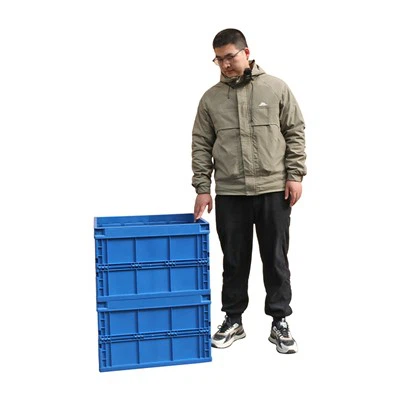
Plastic pallet containers have become an indispensable part of modern logistics and storage systems. As a supplier of plastic pallet containers, I have witnessed firsthand the numerous advantages they offer across various industries. In this blog post, I will delve into the key benefits of plastic pallet containers and explain why they are a superior choice compared to traditional alternatives.
Durability and Longevity
One of the most significant advantages of plastic pallet containers is their exceptional durability. Unlike wooden pallets, which are prone to splintering, rotting, and insect infestations, plastic pallet containers are made from high - density polyethylene (HDPE) or polypropylene (PP), materials known for their strength and resilience. These containers can withstand heavy loads, rough handling, and harsh environmental conditions without losing their structural integrity.
For example, in the food and beverage industry, where hygiene is of utmost importance, plastic pallet containers can be easily cleaned and sanitized, ensuring that they meet strict health and safety standards. They are also resistant to chemicals, making them suitable for use in industries such as chemicals and pharmaceuticals. The long - lasting nature of plastic pallet containers means that they require less frequent replacement, resulting in cost savings over time.


Lightweight Design
Plastic pallet containers are significantly lighter than their wooden or metal counterparts. This lightweight design offers several advantages, especially in terms of transportation. Lighter containers reduce the overall weight of the load, which in turn lowers fuel consumption and transportation costs. Additionally, the ease of handling makes it more convenient for workers to move the containers around the warehouse or loading dock.
In a supply chain where efficiency is crucial, the lightweight nature of plastic pallet containers allows for faster loading and unloading times. This can lead to improved productivity and reduced labor costs. For instance, in an e - commerce fulfillment center, workers can quickly move plastic pallet containers filled with products, ensuring that orders are processed and shipped out in a timely manner.
Hygiene and Cleanliness
Hygiene is a major concern in many industries, particularly those involving food, pharmaceuticals, and electronics. Plastic pallet containers are non - porous, which means they do not absorb moisture, dirt, or bacteria. This makes them easy to clean and maintain, reducing the risk of contamination.
In the food industry, for example, plastic pallet containers can be washed with high - pressure water and sanitizing agents to ensure that they are free from harmful pathogens. They are also resistant to mold and mildew, which can be a significant problem with wooden pallets. The smooth surface of plastic pallet containers prevents the accumulation of debris, making them a more hygienic option for storing and transporting goods.
Stackability and Space Efficiency
Plastic pallet containers are designed to be stackable, which is a huge advantage in terms of space utilization. They can be stacked neatly on top of each other, both when full and when empty. When empty, many plastic pallet containers are collapsible, which further reduces the amount of storage space required.
For example, Vented Collapsible Pallet Containers are specifically designed for agricultural products. They can be collapsed when not in use, allowing for efficient storage in a warehouse or on a truck. This stackability and collapsibility not only save space but also make it easier to organize and manage inventory.
Customizability
Another advantage of plastic pallet containers is their high degree of customizability. They can be manufactured in a variety of sizes, shapes, and colors to meet the specific needs of different industries and applications. For example, Solid Wall Plastic Pallet Box can be customized with different wall thicknesses, lid options, and reinforcement features.
In the automotive industry, plastic pallet containers can be designed to hold specific parts and components, with custom - made dividers and compartments to ensure proper organization and protection. This customizability allows businesses to optimize their storage and transportation processes, improving efficiency and reducing the risk of damage to goods.
Environmental Sustainability
In recent years, there has been a growing emphasis on environmental sustainability in the business world. Plastic pallet containers can contribute to a more sustainable supply chain in several ways. Firstly, they are reusable, which reduces the demand for new materials. Instead of constantly disposing of wooden pallets, plastic pallet containers can be used multiple times, minimizing waste.
Secondly, many plastic pallet containers are made from recycled materials. By choosing plastic pallet containers made from recycled plastic, businesses can support the circular economy and reduce their carbon footprint. Additionally, at the end of their lifespan, plastic pallet containers can be recycled again, further reducing environmental impact.
Cost - Effectiveness
Although the initial cost of plastic pallet containers may be higher than that of wooden pallets, their long - term cost - effectiveness is undeniable. As mentioned earlier, their durability means that they require less frequent replacement. They also reduce the risk of product damage during transportation and storage, which can save businesses a significant amount of money.
In addition, the lower transportation costs associated with their lightweight design and the reduced labor costs due to easier handling all contribute to overall cost savings. When considering the total cost of ownership, plastic pallet containers are a more economical choice in the long run.
Compatibility with Automation
In today's automated warehouses and distribution centers, plastic pallet containers are highly compatible with automated handling equipment. Their standardized sizes and shapes make them suitable for use with conveyor systems, automated guided vehicles (AGVs), and robotic pick - and - place systems.
For example, Industry Folding Plastic Pallet Boxes can be easily integrated into automated processes. This compatibility with automation not only improves efficiency but also reduces the risk of human error, leading to a more reliable and productive supply chain.
Conclusion
In conclusion, plastic pallet containers offer a wide range of advantages that make them a superior choice for businesses across various industries. Their durability, lightweight design, hygiene, stackability, customizability, environmental sustainability, cost - effectiveness, and compatibility with automation make them an essential tool in modern logistics and storage.
If you are looking for high - quality plastic pallet containers for your business, I encourage you to reach out to us. We have a wide range of products to meet your specific needs, and our team of experts can provide you with professional advice and solutions. Whether you are in the food industry, automotive industry, or any other sector, we can help you optimize your supply chain with our plastic pallet containers.
References
- "Plastic Pallets: The Future of Material Handling." Material Handling Industry of America.
- "Advantages of Plastic Pallets in Logistics." Logistics Management Journal.
- "Sustainable Packaging Solutions: Plastic Pallet Containers." Environmental Packaging Magazine.