Hey there! As a supplier of Black Soldier Fly Larvae Boxes, I've been getting a ton of questions lately about whether it's possible to select and breed better - performing black soldier fly larvae right in the box. So, let's dive into this topic and see what we can find out.
First off, let's talk a bit about black soldier flies and their larvae. Black soldier flies (Hermetia illucens) are pretty amazing insects. Their larvae are like little garbage - eating machines. They can consume a wide variety of organic waste, from food scraps to manure, and turn it into high - quality biomass. This biomass can then be used as animal feed or even for composting.
Now, the idea of selecting and breeding better - performing larvae is an exciting one. By "better - performing," we mean larvae that grow faster, consume more waste, and are more resistant to diseases. But can we do this in a box?
The Basics of Selective Breeding
Selective breeding is a process where we choose individuals with desirable traits and breed them together to pass those traits on to the next generation. In the case of black soldier fly larvae, we might want to select larvae that have a high growth rate, a large body size, or a strong appetite for waste.
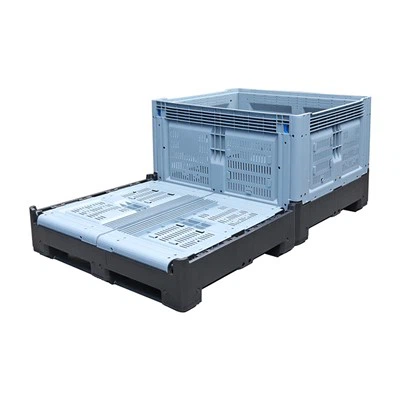
To start with, we need to have a large enough population of larvae to work with. This is where our Black Soldier Fly Larvae Box comes in handy. It provides a controlled environment where we can rear a significant number of larvae. The box is designed to be easy to clean, ventilated, and provides the right conditions for the larvae to thrive.


Observing and Selecting Larvae
Once we have a good number of larvae in the box, we need to start observing them. We can look for larvae that are growing faster than the others, have a more robust appearance, or seem to be more active in consuming the waste. These are the ones we want to select for breeding.
It's important to note that this process takes time and patience. We need to monitor the larvae over several generations to see if the traits we're selecting for are being passed on. And it's not always a straightforward process. Sometimes, the traits we're looking for might be influenced by environmental factors as well as genetics.
Environmental Factors in the Box
The environment inside the Black Soldier Fly Larvae Box plays a crucial role in the performance of the larvae. Temperature, humidity, and the type of waste provided can all affect their growth and development.
For example, black soldier fly larvae prefer a warm and humid environment. If the temperature inside the box is too low, their growth rate will slow down. On the other hand, if it's too high, they might become stressed and more susceptible to diseases. We need to maintain the right balance to ensure that the larvae are healthy and growing well.
The type of waste we provide also matters. Different types of waste have different nutritional values. For instance, food scraps are rich in carbohydrates and proteins, while manure is high in nitrogen. By providing a diverse diet, we can ensure that the larvae get all the nutrients they need to grow and develop properly.
Breeding in the Box
Once we've selected the larvae with the desirable traits, we need to breed them. This can be a bit tricky in a box, but it's definitely doable. We can separate the selected larvae into a smaller breeding area within the box. This area should be clean and have the right conditions for mating.
Black soldier flies go through a complete metamorphosis, which means they have four stages: egg, larva, pupa, and adult. To breed them, we need to let the selected larvae pupate and then emerge as adults. The adults will then mate and lay eggs, which will hatch into the next generation of larvae.
It's important to keep the breeding area separate from the main box to avoid cross - contamination and to ensure that the breeding process is successful.
Using Specialized Equipment
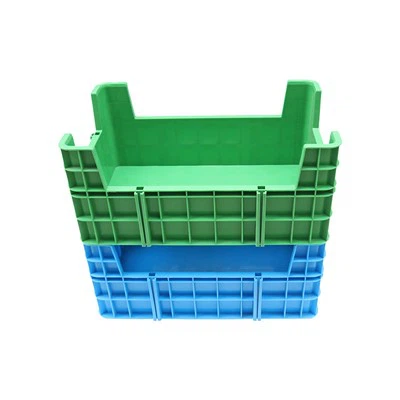
To make the process of selecting and breeding better - performing larvae easier, we can use some specialized equipment. For example, the Plastic Insect Breeding Trays BSF Farming can be used to separate the larvae at different stages of development. These trays are designed to be stackable, which saves space and makes it easier to manage the larvae.
We can also use the Black Soldier Fly Compost Bin to collect and process the waste. This bin is designed to be efficient in decomposing the waste and providing a suitable environment for the larvae to feed.
Challenges and Solutions
Of course, there are some challenges when it comes to selecting and breeding black soldier fly larvae in the box. One of the main challenges is maintaining a consistent environment. As I mentioned earlier, temperature and humidity are crucial for the growth and development of the larvae. To solve this problem, we can use temperature and humidity sensors to monitor the conditions inside the box and make adjustments as needed.
Another challenge is preventing diseases. Black soldier fly larvae can be susceptible to various diseases, especially if the environment is not clean. To prevent this, we need to clean the box regularly and provide a healthy diet for the larvae.
Conclusion
So, can we select and breed better - performing black soldier fly larvae in the box? The answer is yes! With the right equipment, such as our Black Soldier Fly Larvae Box, Plastic Insect Breeding Trays BSF Farming, and Black Soldier Fly Compost Bin, and a bit of patience and knowledge, we can create a controlled environment where we can select and breed larvae with desirable traits.
If you're interested in starting your own black soldier fly larvae breeding project or if you have any questions about our products, don't hesitate to reach out. We're here to help you make the most of this amazing opportunity. Whether you're a small - scale farmer or a large - scale waste management company, our products can help you achieve your goals.
References
- Tomberlin, J. K., Sheppard, D. C., Joyce, J. J., & Newton, J. R. (2002). Biology and rearing of the black soldier fly (Diptera: Stratiomyidae). Florida Entomologist, 85(3), 304 - 306.
- Diener, S., Zurbrügg, C., & Maurer, M. (2011). Potential of black soldier fly (Hermetia illucens) larvae to transform organic waste into protein - rich biomass. Waste Management, 31(10), 2000 - 2006.