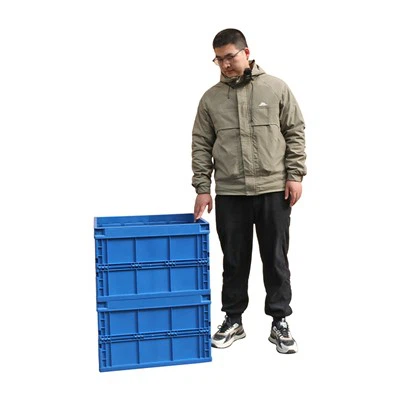
As a supplier of HP Turnover Boxes, I am excited to share with you the detailed manufacturing process of these essential containers. HP Turnover Boxes are widely used in various industries for storage, transportation, and organization purposes. In this blog post, I will take you through each step of the manufacturing process, from raw material selection to the final product.
Raw Material Selection
The first step in the manufacturing process is the selection of high-quality raw materials. For HP Turnover Boxes, we typically use high-density polyethylene (HDPE) or polypropylene (PP). These materials are known for their durability, strength, and resistance to chemicals and environmental factors. HDPE is a popular choice due to its excellent impact resistance and flexibility, while PP offers good stiffness and heat resistance.
We source our raw materials from trusted suppliers who adhere to strict quality standards. The raw materials are carefully inspected to ensure they meet our specifications and are free from any impurities or defects. This ensures that the final product is of the highest quality and can withstand the rigors of daily use.
Molding Process
Once the raw materials are selected, they are fed into the molding machine. The molding process used for HP Turnover Boxes is typically injection molding. Injection molding is a widely used manufacturing process that involves injecting molten plastic into a mold cavity under high pressure.
The mold is designed to create the specific shape and dimensions of the HP Turnover Box. It is made from high-quality steel or aluminum and is precision-engineered to ensure accurate and consistent production. The mold is heated to a specific temperature to melt the plastic and allow it to flow into the cavity.
During the injection molding process, the molten plastic is injected into the mold cavity at a high pressure. The pressure ensures that the plastic fills the entire cavity and takes on the shape of the mold. Once the plastic has cooled and solidified, the mold is opened, and the HP Turnover Box is ejected.
Cooling and Finishing
After the HP Turnover Box is ejected from the mold, it goes through a cooling process to ensure that it retains its shape and dimensions. The cooling process can be done using air or water, depending on the specific requirements of the product.
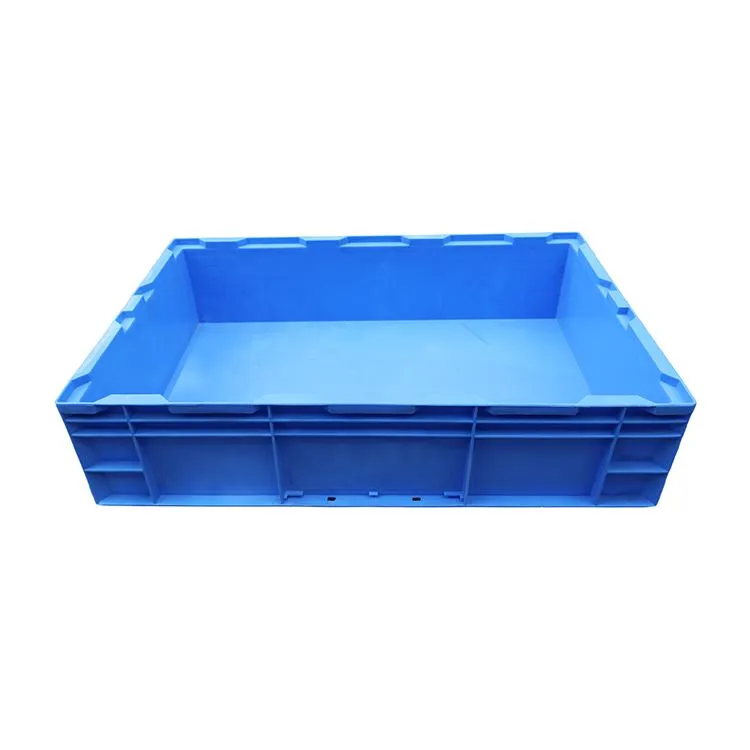
Once the HP Turnover Box has cooled, it is inspected for any defects or imperfections. Any rough edges or burrs are removed, and the box is cleaned to ensure a smooth and professional finish. The box may also be labeled or printed with the company logo or other information.

Quality Control
Quality control is an essential part of the manufacturing process. At our facility, we have a comprehensive quality control system in place to ensure that every HP Turnover Box meets our high standards. We conduct regular inspections and tests throughout the manufacturing process to detect any potential issues or defects.
Some of the quality control measures we take include:
- Visual Inspection: Each HP Turnover Box is visually inspected for any visible defects, such as cracks, scratches, or warping.
- Dimensional Inspection: The dimensions of the HP Turnover Box are measured to ensure they meet the specified requirements.
- Strength Testing: The HP Turnover Box is tested for its strength and durability to ensure it can withstand the intended use.
- Chemical Resistance Testing: The HP Turnover Box is tested for its resistance to chemicals and other environmental factors.
Packaging and Shipping
Once the HP Turnover Box has passed all the quality control tests, it is ready for packaging and shipping. We use high-quality packaging materials to ensure that the HP Turnover Box is protected during transit. The boxes are typically stacked and wrapped in plastic film to prevent damage.
We offer a variety of shipping options to meet the needs of our customers. We can ship the HP Turnover Boxes to any location in the world, and we work with reliable shipping carriers to ensure timely and safe delivery.
Advantages of HP Turnover Boxes
HP Turnover Boxes offer several advantages over other types of storage and transportation containers. Some of the key advantages include:
- Durability: HP Turnover Boxes are made from high-quality materials that are designed to withstand the rigors of daily use. They are resistant to impact, chemicals, and environmental factors, ensuring a long lifespan.
- Stackability: HP Turnover Boxes are designed to be stackable, which makes them ideal for efficient storage and transportation. They can be stacked securely on top of each other, saving space and reducing the risk of damage.
- Customization: HP Turnover Boxes can be customized to meet the specific needs of our customers. We can offer a variety of sizes, colors, and features to ensure that the boxes meet your requirements.
- Cost-Effective: HP Turnover Boxes are a cost-effective solution for storage and transportation. They are reusable and can be used for multiple cycles, reducing the need for frequent replacements.
Conclusion
In conclusion, the manufacturing process of HP Turnover Boxes involves several steps, from raw material selection to the final product. At our facility, we use high-quality materials and advanced manufacturing techniques to ensure that every HP Turnover Box meets our high standards. We also have a comprehensive quality control system in place to ensure that the boxes are of the highest quality and can withstand the rigors of daily use.
If you are interested in purchasing HP Turnover Boxes, please visit our website HP Turnover Box to learn more about our products and services. We also offer a variety of other plastic crates, including Automated Storage and Retrieval Tote Bin and EU Turnover Box. Contact us today to discuss your specific requirements and to get a quote.
References
- Smith, J. (2020). Plastic Injection Molding: Principles and Practice. Elsevier.
- Brown, A. (2019). High-Density Polyethylene: Properties and Applications. Wiley.
- Green, C. (2018). Polypropylene: Structure, Properties, and Applications. CRC Press.