Hey there! As a supplier of industrial pallet containers, I'm often asked whether these containers are resistant to chemicals. It's a super important question, especially for businesses that deal with various chemical substances. So, let's dive right in and explore this topic.
Understanding Industrial Pallet Containers
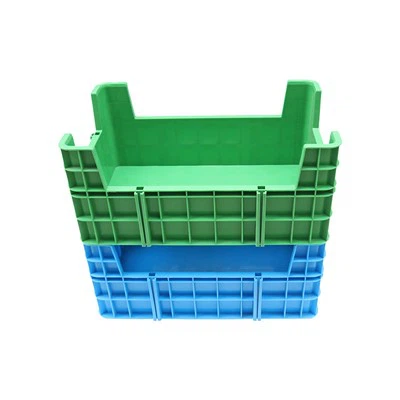
First off, what are industrial pallet containers? They're basically big, sturdy containers used for storing and transporting all sorts of goods. They come in different shapes, sizes, and materials, but the most common ones are made of plastic, steel, or a combination of both. These containers are designed to be stackable, which saves a ton of space in warehouses and during transportation.
Chemical Resistance: Why It Matters
Chemical resistance is crucial for industrial pallet containers. If you're storing or transporting chemicals, you don't want the container to react with the substances inside. A chemical reaction could damage the container, leading to leaks or spills, which are not only dangerous for the environment but can also be a huge liability for your business. Plus, it could contaminate the chemicals, rendering them useless or even more hazardous.
Different Materials, Different Resistance Levels
Plastic Pallet Containers
Plastic is one of the most popular materials for industrial pallet containers. It's lightweight, corrosion-resistant, and cost-effective. But when it comes to chemical resistance, it depends on the type of plastic.
Polyethylene (PE) is a common plastic used in pallet containers. It has good resistance to many common chemicals, including acids and bases. However, it may not be suitable for storing strong oxidizing agents or certain organic solvents.
Polypropylene (PP) is another plastic option. It has similar chemical resistance to PE but is generally more resistant to higher temperatures. PP is a great choice for storing chemicals that need to be kept at a stable temperature.
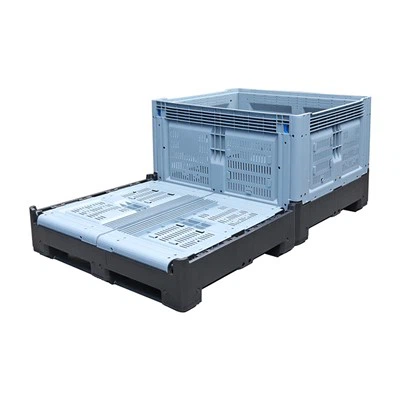
If you're looking for a folding option, check out Industry Folding Plastic Pallet Boxes. These are not only space-saving but also offer decent chemical resistance for a wide range of substances.
Steel Pallet Containers
Steel pallet containers are incredibly strong and durable. They're often used for heavy-duty applications and can withstand a lot of wear and tear. But when it comes to chemicals, steel is a bit more tricky.


Steel is prone to corrosion when exposed to certain chemicals, especially acids and salts. However, if the steel is coated or galvanized, it can have better chemical resistance. A galvanized steel container has a layer of zinc on the surface, which acts as a barrier between the steel and the chemicals.
Composite Pallet Containers
Composite pallet containers combine the best of both worlds. They usually have a plastic shell reinforced with a steel frame. This gives them the chemical resistance of plastic and the strength of steel. Composite containers are great for applications where you need a balance between chemical resistance and durability.
Factors Affecting Chemical Resistance
It's not just the material of the container that affects chemical resistance. There are several other factors to consider:
Concentration of the Chemical
The concentration of the chemical plays a big role. A highly concentrated chemical is more likely to react with the container than a diluted one. For example, a dilute solution of hydrochloric acid may not cause much damage to a plastic container, but a concentrated solution could eat through it.
Temperature
Temperature can also impact chemical resistance. Higher temperatures can speed up chemical reactions, making the container more vulnerable. If you're storing chemicals at high temperatures, you need to make sure the container is designed to handle it.
Exposure Time
The longer the container is exposed to the chemical, the more likely it is to experience damage. Even if a container has good chemical resistance initially, prolonged exposure can still cause problems.
Testing Chemical Resistance
To ensure that your industrial pallet containers are suitable for storing and transporting chemicals, it's important to test their chemical resistance. There are several ways to do this:
Laboratory Testing
You can send samples of the container material to a laboratory for testing. The lab will expose the samples to different chemicals under controlled conditions and measure the extent of the reaction. This will give you a detailed report on the chemical resistance of the material.
Real-World Testing
Another option is to conduct real-world testing. This involves using the containers to store and transport the actual chemicals for a period of time and monitoring their condition. Real-world testing can give you a more accurate idea of how the containers will perform in your specific application.
Conclusion and Call to Action
So, are industrial pallet containers resistant to chemicals? The answer is: it depends. The material, the type of chemical, the concentration, the temperature, and the exposure time all play a role. As a supplier, I can help you choose the right container for your specific needs. Whether you need plastic, steel, or composite containers, I've got you covered.
If you're in the market for industrial pallet containers or have any questions about chemical resistance, don't hesitate to reach out. Let's have a chat and figure out the best solution for your business.
References
- "Handbook of Plastics, Elastomers and Composites" by Carole A. Rauwendaal
- "Corrosion Resistance of Metals and Alloys" by David A. Jones