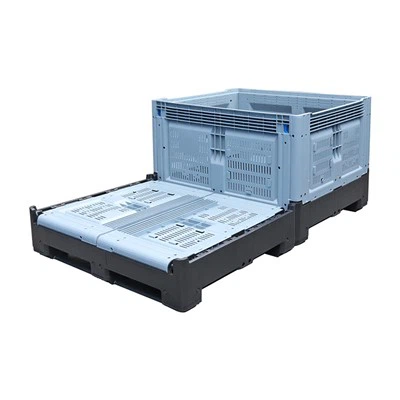
Hey there! I'm a supplier of Black Soldier Fly Larvae Boxes, and I often get asked about the ideal humidity level for these boxes. It's a crucial factor that can significantly impact the growth and development of black soldier fly larvae (BSFL). So, let's dive into this topic and figure out what humidity level is best for a black soldier fly larvae box.
Why Humidity Matters for BSFL
First off, let's understand why humidity is such a big deal for black soldier fly larvae. These little critters are pretty sensitive to their environment, and humidity plays a key role in their survival, growth, and overall well - being.
BSFL need a certain level of moisture in the air to keep their bodies hydrated. Just like us, if they get too dry, they'll have a hard time functioning properly. Humidity also affects the food they eat. If the air is too dry, the substrate or food waste in the larvae box can dry out quickly, making it difficult for the larvae to consume and digest. On the other hand, if the humidity is too high, it can create a breeding ground for harmful bacteria and fungi, which can lead to disease in the larvae.
Ideal Humidity Range for BSFL
The ideal humidity range for a black soldier fly larvae box is generally between 60% and 70%. This range provides the right balance of moisture for the larvae to thrive.
When the humidity is within this 60% - 70% range, the larvae have enough moisture to keep their bodies in good condition. Their exoskeletons stay flexible, which is important for growth as they molt and shed their old skins. The food in the box also remains at an optimal moisture level, making it easier for the larvae to break it down and extract nutrients.
If the humidity drops below 60%, you might start to notice some problems. The larvae may become dehydrated, which can slow down their growth rate. They might also be more prone to getting stuck in their old exoskeletons during molting, which can be fatal. The food substrate will dry out, and the larvae may have a hard time feeding on it.
Conversely, if the humidity goes above 70%, the environment in the larvae box can become too damp. This can lead to the growth of mold and bacteria, which can cause diseases like fungal infections in the larvae. The high humidity can also make it difficult for the larvae to breathe properly, as their respiratory systems are designed to work best in a moderately humid environment.
Measuring and Controlling Humidity
Now that we know the ideal humidity range, how do we measure and control it in a black soldier fly larvae box?


To measure humidity, you can use a simple hygrometer. These are relatively inexpensive and can be found at most hardware stores or online. Just place the hygrometer inside the larvae box, and it will give you a reading of the current humidity level.
Controlling humidity can be a bit more challenging, but there are several methods you can try. If the humidity is too low, you can add a small amount of water to the substrate in the box. You can also use a fine - mist spray bottle to mist the inside of the box lightly. Another option is to place a shallow dish of water near the larvae box to increase the humidity through evaporation.
If the humidity is too high, you can improve ventilation in the box. You can do this by making small holes in the lid or sides of the larvae box. You can also use a dehumidifier in the room where the larvae boxes are kept, but this might not be practical for smaller setups.
The Impact of Different Life Stages
It's also important to note that the humidity requirements might vary slightly depending on the life stage of the black soldier fly larvae.
In the early stages, when the larvae are very small, they are more vulnerable to changes in humidity. They need a more stable and slightly higher humidity level, around 65% - 70%, to ensure proper development. As they grow and become more resilient, you can allow the humidity to fluctuate a bit more within the 60% - 70% range.
When the larvae are reaching the pre - pupal stage, they may be able to tolerate slightly lower humidity levels. This is because they are starting to prepare for metamorphosis, and their bodies are becoming more resistant to environmental changes.
Our Products and the Role of Humidity
As a supplier of Black Soldier Fly Larvae Boxes, we understand the importance of creating a suitable environment for BSFL. Our Black Soldier Fly Larvae Box is designed with features that can help you manage humidity effectively.
The boxes are made of high - quality plastic that provides some insulation, which helps to maintain a more stable internal environment. They also have a well - crafted design that allows for controlled ventilation, which is crucial for regulating humidity. Additionally, we offer other products like Plastic Insect Breeding Trays BSF Farming, Black Soldier Fly Compost Bin, Mealworm Tray, and Black Soldier Fly Box that can all contribute to creating an ideal habitat for BSFL, taking into account the humidity requirements.
Getting in Touch for Your BSFL Box Needs
If you're interested in starting your own black soldier fly larvae farming operation or looking to upgrade your current setup, we're here to help. We have a wide range of products that can meet your needs and ensure that your BSFL have the best possible environment, including the right humidity level.
Whether you're a small - scale hobbyist or a large - scale commercial farmer, our products are designed to be user - friendly and effective. Don't hesitate to reach out to us to discuss your requirements and find the perfect solution for your black soldier fly larvae farming.
References
- Newton, G. L. (2014). Rearing the black soldier fly, Hermetia illucens (L.) (Diptera: Stratiomyidae), for livestock and poultry feed. Journal of Insect Science, 14(1), 1 - 10.
- Sheppard, D. C., Newton, G. L., & Thompson, S. E. (2002). The black soldier fly, Hermetia illucens (Diptera: Stratiomyidae), as a biological treatment for swine manure. Bioresource technology, 83(1), 29 - 35.