


Hey there! I'm a supplier of Black Soldier Fly Compost Bins, and I've seen firsthand how different waste types can really shake up the composting process. Let's dive into this and see what's what.
Understanding the Basics of Black Soldier Fly Composting
First off, black soldier fly larvae are like little composting machines. They can break down a whole bunch of organic waste super fast. When you put them in a Black Soldier Fly Compost Bin, they get to work munching on the waste and turning it into nutrient - rich compost.
The composting process with black soldier flies is pretty straightforward. The larvae eat the waste, digest it, and then excrete frass, which is an amazing natural fertilizer. But not all waste is created equal, and different types can have very different impacts on how well this process works.
Food Waste
Food waste is one of the most common things people put in their black soldier fly compost bins. It's a great option because it's rich in nutrients. Things like fruit and vegetable scraps, bread, and even coffee grounds are perfect for the larvae.
Fruit and vegetable scraps are like a five - star meal for black soldier fly larvae. They're easy to break down and full of vitamins and minerals. The larvae can quickly devour these scraps, and they help the larvae grow big and strong. For example, banana peels are a favorite. They're soft and full of potassium, which is great for the overall health of the larvae.
Bread is another good option. It's a source of carbohydrates, which give the larvae energy. However, too much bread can be a problem. If you overload the bin with bread, it can start to mold, and that's not good for the composting process. Mold can slow down the larvae's digestion and even attract unwanted pests.
Coffee grounds are also a popular addition. They're rich in nitrogen, which is an important nutrient for the compost. The larvae seem to like the slightly acidic nature of coffee grounds, and they can break them down relatively quickly.
Yard Waste
Yard waste, such as leaves and grass clippings, can also be added to the black soldier fly compost bin. Leaves are a great source of carbon, which is essential for a balanced compost. They provide a nice structure for the compost and help with aeration.
However, leaves can be a bit tricky. They need to be shredded or chopped up into smaller pieces so that the larvae can access them easily. If the leaves are too big, the larvae might have a hard time breaking them down.
Grass clippings are another option. They're rich in nitrogen, but they can also clump together. If you add too many grass clippings at once, they can form a thick mat that prevents air from getting into the compost. This can lead to anaerobic conditions, which are not ideal for the black soldier fly larvae.
Animal Manure
Animal manure can be a valuable addition to the black soldier fly compost bin. Manure from herbivores like cows and horses is rich in nutrients and can help speed up the composting process.
The larvae can break down the manure and turn it into high - quality compost. However, there are some things to watch out for. Manure can sometimes contain pathogens, so it's important to make sure the manure is well - aged before adding it to the bin. Also, too much manure can make the compost too wet and smelly, which can be a turn - off.
Paper and Cardboard
Paper and cardboard are carbon - rich materials that can be added to the compost bin. They help balance out the nitrogen - rich waste like food scraps. Shredded paper and cardboard can be a great addition to the bin, as they provide structure and help with aeration.

However, not all paper and cardboard are created equal. You want to avoid using paper that has been treated with chemicals, like glossy magazines or newspapers with colored inks. These chemicals can be harmful to the black soldier fly larvae.
Impact on the Composting Process
So, how do these different waste types impact the composting process? Well, the key is to maintain a balance between carbon and nitrogen. A good ratio is about 3 parts carbon to 1 part nitrogen.
If you have too much nitrogen - rich waste, like food scraps or manure, the compost can become too wet and start to smell bad. This can slow down the composting process and even kill the black soldier fly larvae.
On the other hand, if you have too much carbon - rich waste, like leaves or paper, the compost can be too dry, and the larvae might not have enough nutrients to grow.
Our Products
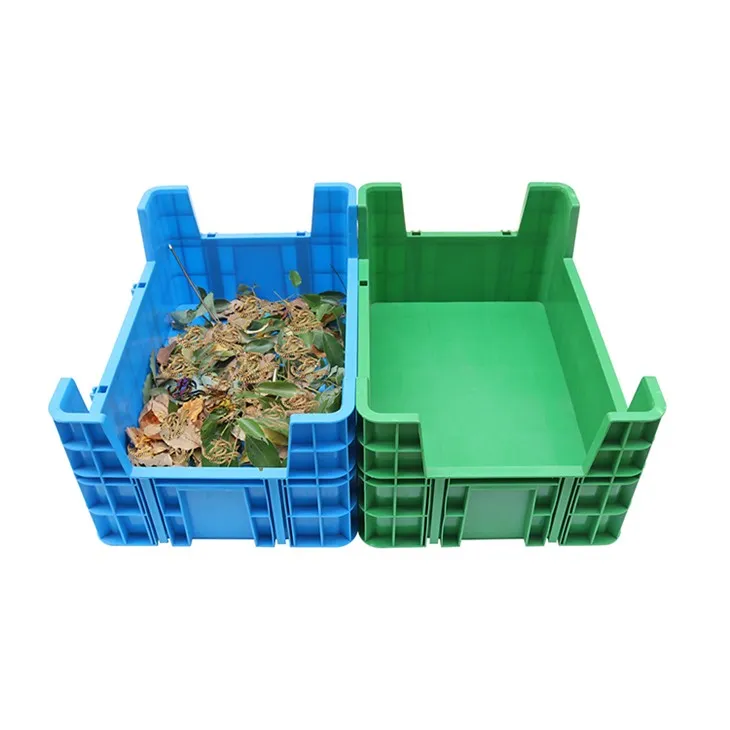
As a supplier, we offer a range of products to help you with your black soldier fly composting. We have the Black Soldier Fly Larvae Box, which is designed to provide a perfect environment for the larvae to thrive. It has proper ventilation and a design that allows for easy access to the compost.
We also have the Mealworm Tray, which can be used in conjunction with the black soldier fly composting process. It's a great option for those who want to diversify their composting efforts.
Contact Us for Purchase
If you're interested in purchasing our Black Soldier Fly Compost Bins or any of our other products, we'd love to hear from you. We can provide you with more information about the products and help you choose the right one for your needs. Whether you're a small - scale home composter or a large - scale agricultural operation, we have solutions that can work for you.
References
- Atiyeh, R. M., Subler, S., Edwards, C. A., Metzger, J. D., & Seale, J. (2000). Influence of earthworm-processed pig manure on the growth and productivity of marigolds. Bioresource Technology, 72(1), 1-6.
- Newton, G. L., Szmidt, A. E., & Cameron, R. G. (1991). The influence of sewage sludge application on the growth and foliar nutrient status of Pinus contorta. Forest Ecology and Management, 42(1 - 3), 157-171.
- Sheppard, D. C., Newton, G. L., & Thompson, S. E. (1994). Management of house fly (Diptera: Muscidae) and stable fly (Diptera: Muscidae) with black soldier fly (Diptera: Stratiomyidae) larvae. Journal of Economic Entomology, 87(3), 625-630.


