Do black soldier flies in the compost bin need sunlight?
As a supplier of Black Soldier Fly Compost Bin, I often get asked a variety of questions about black soldier flies and their requirements in a composting environment. One of the most common questions is whether black soldier flies in the compost bin need sunlight. To answer this question, we need to first understand the biology and behavior of black soldier flies at different stages of their life cycle.
Life cycle of black soldier flies
Black soldier flies (Hermetia illucens) have a complete metamorphosis life cycle, consisting of four stages: egg, larva, pupa, and adult. Each stage has its own unique characteristics and environmental requirements.
Egg stage: Female black soldier flies lay their eggs in dark, moist, and sheltered areas near decaying organic matter. The eggs are usually laid in clusters and are very small, about 1 - 2 mm in length. Sunlight is not a requirement during this stage; in fact, direct sunlight can be harmful to the eggs as it may cause them to dry out.
Larval stage: The larvae, also known as grubs, are the most active composting stage of black soldier flies. They are voracious eaters and can consume a large amount of organic waste, such as food scraps, manure, and agricultural by - products. Larvae prefer dark and moist environments. In nature, they are often found burrowing into the decaying matter. Sunlight is not necessary for their growth and development. In fact, excessive sunlight can increase the temperature inside the compost bin, which may dry out the larval habitat and make it less suitable for them. The ideal temperature for black soldier fly larvae is around 27 - 32°C (80 - 90°F), and sunlight can easily push the temperature beyond this range, especially in hot climates.
Pupal stage: After the larval stage, the black soldier fly larvae enter the pupal stage. During this stage, they stop feeding and transform into adults. Pupae are also sensitive to environmental conditions. They prefer dark, dry, and well - ventilated areas. Sunlight can cause the pupae to overheat and dry out, which can be fatal.
Adult stage: Adult black soldier flies do not feed on solid food; they mainly consume nectar and water. They are attracted to sunlight and are often seen flying around in the open during the day. However, when it comes to the compost bin, adult black soldier flies are mainly interested in laying eggs. They will look for suitable dark and moist areas within or near the compost bin to deposit their eggs.
The role of sunlight in a compost bin
Sunlight can have both positive and negative effects on a compost bin.
Positive effects:
- Temperature regulation: In cooler climates, a small amount of sunlight can help raise the temperature inside the compost bin, which can speed up the decomposition process. This is beneficial for the overall composting efficiency.
- Microbial activity: Sunlight can stimulate the growth of some beneficial microorganisms in the compost. These microorganisms play an important role in breaking down organic matter.
Negative effects:
- Drying out: Excessive sunlight can cause the compost to dry out, which is not suitable for black soldier fly larvae. Larvae need a moist environment to survive and thrive.
- Overheating: As mentioned earlier, sunlight can increase the temperature inside the compost bin to a level that is harmful to black soldier fly larvae and pupae.
Our products and sunlight considerations
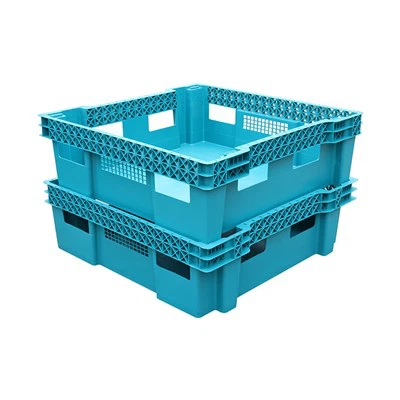
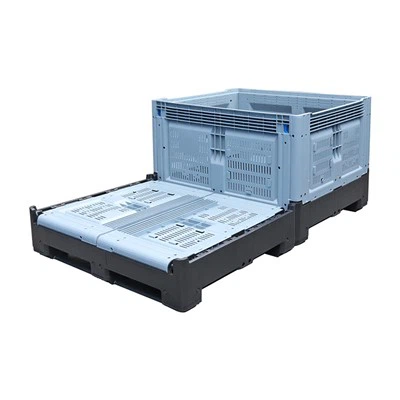
We offer a range of products, including Black Soldier Fly Compost Bin and Black Soldier Fly Larvae Box. These products are designed to provide an optimal environment for black soldier flies at different stages of their life cycle.
Our compost bins are made of high - quality materials that can help insulate the contents from extreme temperature changes. They have proper ventilation systems to ensure air circulation and moisture control. When it comes to sunlight, we recommend placing the compost bin in a location that receives partial shade. This way, the bin can benefit from the mild temperature increase provided by sunlight without being exposed to excessive heat and drying.
For those who are interested in breeding other insects, such as mealworms, we also offer Insect Boxes for Breeding Mealworms. Similar to black soldier fly compost bins, these boxes should be placed in a suitable environment to ensure the well - being of the insects.
Conclusion
In general, black soldier flies in the compost bin do not need direct sunlight. The larvae, pupae, and eggs prefer dark and moist environments, while the adults are attracted to sunlight but mainly use the compost bin for egg - laying. When using our Black Soldier Fly Compost Bin or other related products, it is important to place them in a location that provides partial shade to maintain the optimal temperature and moisture levels.
If you are interested in purchasing our products for your composting or insect - breeding needs, we welcome you to contact us for further discussions. We can provide detailed information about our products and help you choose the most suitable option for your specific requirements.


References
- Sheppard, D. C., Newton, L., & Thompson, S. E. (1994). Black soldier fly (Diptera: Stratiomyidae) development on different diets. Journal of Medical Entomology, 31(6), 825 - 833.
- Diener, S., Maurer, B., & Burkhardt, D. (2011). Bioconversion of organic waste by black soldier fly larvae: Establishing optimal feeding rates. Waste Management, 31(8), 1474 - 1480.
- Tomberlin, J. K., Sheppard, D. C., Joyce, J. A., & Brewer, M. S. (2002). Influence of larval density and diet on black soldier fly (Diptera: Stratiomyidae) prepupal and adult weights. Journal of Economic Entomology, 95(6), 1314 - 1318.