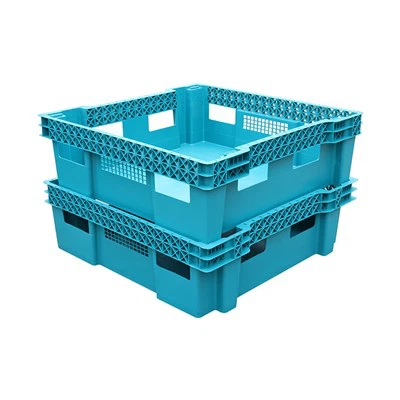
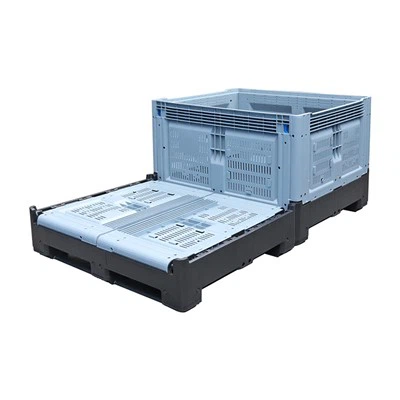
Hey there! I'm a supplier of Black Soldier Fly Compost Bins, and I'm super stoked to share with you all the cool stuff that can go into these amazing bins. Black soldier fly (BSF) composting is an eco - friendly and efficient way to turn organic waste into valuable resources, like high - protein animal feed and nutrient - rich compost.
Let's start with the basics. Black soldier fly larvae are like little eating machines. They can munch through a wide variety of organic materials, which makes them perfect for dealing with different types of waste.
Fruit and Vegetable Scraps
One of the most common things you can put in a BSF compost bin is fruit and vegetable scraps. This includes things like apple cores, banana peels, carrot tops, and the ends of lettuce. These scraps are rich in nutrients and moisture, which are great for the larvae. The larvae love the sweet and juicy nature of fruits and the fibrous texture of vegetables. It's a win - win situation. You get rid of your kitchen waste, and the larvae get a delicious meal.
For example, I had a customer who used to throw away a ton of strawberry tops and cucumber peels. After getting our Black Soldier Fly Box, they started feeding these scraps to the larvae. In no time, the waste was gone, and they were on their way to getting some great compost.
Grains and Cereals
Grains and cereals are also excellent materials for a BSF compost bin. Things like old bread, rice, pasta, and cereal that's past its expiration date can be tossed in. These items are full of carbohydrates, which provide energy for the growing larvae. Just make sure that if you're adding bread, it's not moldy. A little bit of mold won't harm the larvae, but too much can be a problem.
I remember a small bakery that was struggling with a lot of leftover bread at the end of each day. They decided to try our Plastic Insect Breeding Trays BSF Farming and started putting the bread in the BSF compost bin. The larvae feasted on it, and the bakery was able to reduce their waste significantly.
Coffee Grounds and Tea Bags
Coffee grounds are a fantastic addition to a BSF compost bin. They are rich in nitrogen and have a nice texture that the larvae can easily move through. Tea bags, especially those made of natural materials, can also be added. Just make sure to remove any staples or non - biodegradable parts.
I've had customers who are big coffee drinkers. They collect their coffee grounds every day and add them to the bin. The larvae seem to really enjoy the coffee - flavored diet, and it helps to balance out the other materials in the bin.
Dairy Products
In small amounts, dairy products can be added to the BSF compost bin. Things like yogurt, sour cream, and small pieces of cheese can be given to the larvae. However, you need to be careful not to add too much. Dairy products can go bad quickly and create a bad smell if not consumed by the larvae in time.
A local dairy farm once reached out to me. They had some spoiled milk and wanted to know if they could use it in the BSF compost bin. After some guidance on how much to add, they were able to use the milk as part of the larvae's diet, and it worked out well.
Manure
Manure from herbivorous animals like cows, horses, and rabbits can be put in the BSF compost bin. It's a great source of organic matter and nutrients. The larvae can break down the manure and turn it into compost. However, make sure the manure is fresh and hasn't been treated with any chemicals.
I had a customer who had a small horse farm. They used our Black Soldier Fly Larvae Box to deal with the horse manure. The larvae did an amazing job of breaking it down, and they ended up with some really high - quality compost for their garden.
What Not to Put in the Bin
While there are many things that can go into a BSF compost bin, there are also some things you should avoid. Meat and fish should not be added. These items can attract pests and create a foul smell. Also, avoid adding oily or greasy foods, as they can be difficult for the larvae to digest. Chemical - treated materials, like wood that has been treated with pesticides, should also be kept out of the bin.


Tips for a Successful BSF Compost Bin
- Balance the materials: Try to have a good mix of different types of materials. This will provide a balanced diet for the larvae and help the composting process.
- Keep it moist: The bin should be kept moist, but not too wet. If it's too dry, the larvae won't be able to move around and eat properly. If it's too wet, it can lead to mold growth.
- Monitor the temperature: The ideal temperature for BSF composting is around 25 - 30°C (77 - 86°F). You can use a thermometer to keep an eye on the temperature.
Conclusion
As you can see, there are a lot of materials that can be put in a Black Soldier Fly Compost Bin. Whether you're a homeowner looking to reduce your kitchen waste or a business dealing with organic waste, BSF composting is a great solution. Our products, like the Black Soldier Fly Box, Plastic Insect Breeding Trays BSF Farming, and Black Soldier Fly Larvae Box, are designed to make the process easy and efficient.
If you're interested in purchasing our Black Soldier Fly Compost Bins or have any questions about what materials to use, don't hesitate to reach out. We're here to help you start your own BSF composting journey and make a positive impact on the environment.
References
- Barrett, J. E., & Pendergrass, J. (2018). Black soldier fly (Hermetia illucens) larvae for food waste management. Waste Management, 76, 148 - 155.
- Diener, S., Al Seadi, T., & Zurbrügg, C. (2011). Potential of black soldier fly (Hermetia illucens) larvae to treat different types of organic waste. Waste Management, 31(3), 600 - 606.