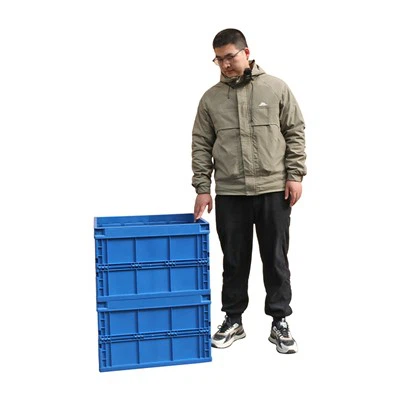
As a supplier of attached lid containers, one of the most frequently asked questions I encounter is whether these containers are stackable. This seemingly simple query actually delves into a realm of design, functionality, and practicality. In this blog post, I'll explore the stackability of attached lid containers, highlighting the factors that influence it and the benefits it brings.
Understanding Attached Lid Containers
Attached lid containers are a popular choice for storage and transportation due to their convenience. The lid is connected to the container body, usually by a hinge, which means you don't have to worry about losing the lid. This feature makes them ideal for various applications, from household storage to industrial use.
We offer a wide range of attached lid containers, including Plastic Round Trip Totes, Hinged Lid Storage Attached Lid Container, and Plastic Storage Tote Containers. Each type is designed with specific features to meet different needs.
Factors Affecting Stackability
Design and Structure
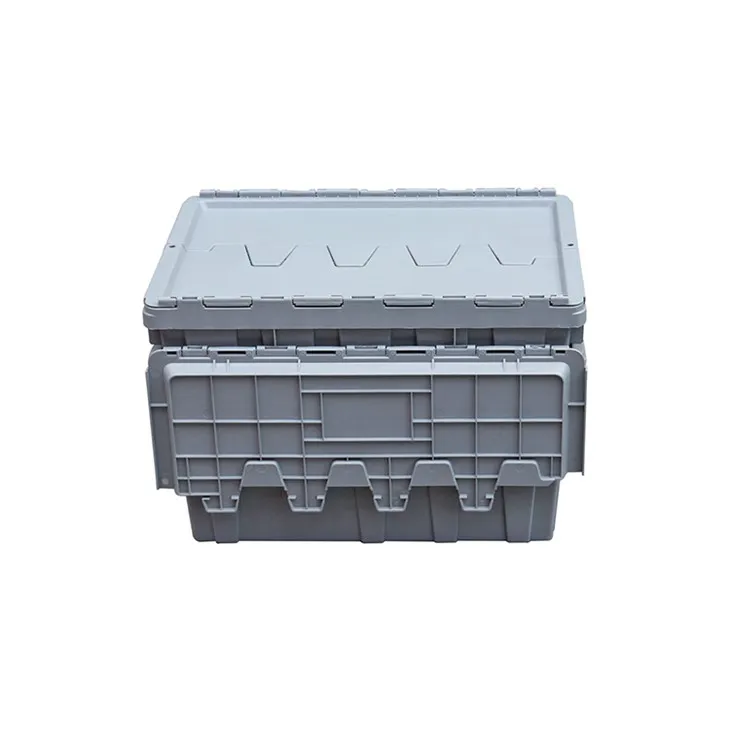
The design of an attached lid container plays a crucial role in its stackability. Containers with a uniform shape and a flat base are more likely to stack well. Our containers are engineered with precision to ensure that they can be stacked securely. The edges are designed to interlock, providing stability and preventing the containers from sliding or toppling over.
For example, our Plastic Round Trip Totes have a circular shape with a flat bottom and a well-defined lid. This design allows them to stack neatly on top of each other, maximizing storage space.
Lid Design
The lid design also impacts stackability. A lid that protrudes too far or has an irregular shape can make it difficult to stack containers. Our attached lid containers are designed with lids that fit flush with the container body, ensuring a smooth and stable stacking surface.
The Hinged Lid Storage Attached Lid Container features a hinged lid that closes tightly, creating a seamless connection with the container. This design not only enhances stackability but also provides protection for the contents inside.
Material and Durability
The material used in the construction of the container affects its stackability. High-quality materials, such as durable plastics, can withstand the weight of stacked containers without deforming. Our containers are made from high-grade plastics that are strong, lightweight, and resistant to impact.
The Plastic Storage Tote Containers are made from a sturdy plastic material that can support the weight of multiple stacked containers. This ensures that the containers remain stable and secure, even when fully loaded.
Benefits of Stackable Attached Lid Containers
Space Optimization
One of the primary benefits of stackable attached lid containers is space optimization. By stacking containers vertically, you can make the most of your storage space. This is especially useful in warehouses, storage facilities, and homes where space is limited.
For example, in a warehouse, stackable containers can be used to maximize the use of vertical space, allowing for more efficient storage and organization. In a home, stackable containers can help keep closets and storage areas tidy and clutter-free.
Easy Handling and Transportation
Stackable attached lid containers are easy to handle and transport. They can be stacked on pallets or in trucks, making it convenient to move them from one location to another. The interlocking design of the containers ensures that they remain stable during transportation, reducing the risk of damage.
Our containers are designed with handles or grips, making them easy to carry. This makes them ideal for both commercial and residential use.
Protection of Contents
The stackability of attached lid containers also provides protection for the contents inside. When containers are stacked, they are less likely to be knocked over or damaged. The lids of the containers also provide an additional layer of protection, keeping the contents safe from dust, moisture, and other environmental factors.

How to Stack Attached Lid Containers Properly
To ensure the safe and efficient stacking of attached lid containers, it's important to follow a few guidelines:
- Check the Container Capacity: Before stacking containers, make sure they are not overloaded. Each container has a maximum weight capacity, and exceeding this limit can cause the containers to deform or collapse.
- Align the Containers: When stacking containers, make sure they are properly aligned. The edges of the containers should be aligned to ensure a stable stack.
- Use a Stable Surface: Stack the containers on a flat and stable surface. Avoid stacking them on uneven or sloping surfaces, as this can cause the stack to become unstable.
- Secure the Stack: If possible, use straps or bands to secure the stack of containers. This will help prevent the containers from toppling over.
Conclusion
In conclusion, attached lid containers are indeed stackable, and this feature offers numerous benefits in terms of space optimization, easy handling, and protection of contents. Our range of Plastic Round Trip Totes, Hinged Lid Storage Attached Lid Container, and Plastic Storage Tote Containers are designed with stackability in mind, ensuring that they meet the needs of our customers.
If you're interested in purchasing attached lid containers for your storage or transportation needs, we invite you to contact us for a detailed discussion. Our team of experts is ready to assist you in finding the right containers for your specific requirements.
References
- Plastic container design and engineering principles.
- Industry standards for stackable containers.