Are Vented Collapsible Pallet Containers Suitable for Shipping?
As a supplier of Vented Collapsible Pallet Containers, I've had numerous discussions with clients about the suitability of these containers for shipping. In this blog, I'll delve into the various aspects that make these containers a viable option for shipping, as well as some of the potential challenges.
Advantages of Vented Collapsible Pallet Containers for Shipping
Ventilation
One of the most significant advantages of vented collapsible pallet containers is their ventilation system. Many products, especially agricultural goods like fruits, vegetables, and grains, require proper air circulation to maintain their quality during transit. The vents in these containers allow fresh air to flow in and out, reducing the risk of mold, mildew, and spoilage. For example, when shipping apples, the ventilation helps to remove ethylene gas, which can cause the apples to ripen too quickly and spoil. This feature not only ensures the integrity of the products but also reduces the likelihood of financial losses due to damaged goods.
Collapsibility
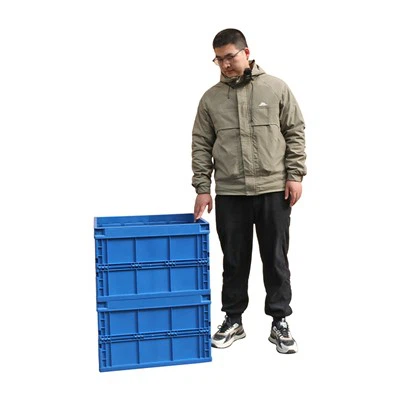
The collapsible design of these containers is another major benefit for shipping. When not in use, the containers can be easily collapsed, taking up significantly less space compared to non - collapsible containers. This is particularly advantageous for return shipments. Instead of shipping back large, empty containers, which would waste valuable space and increase shipping costs, the collapsed containers can be stacked neatly and transported more efficiently. For instance, a shipping company that uses these containers can fit many more collapsed units in a single truck or container, reducing the number of trips and overall shipping expenses.


Durability
Vented collapsible pallet containers are typically made from high - quality materials such as plastic or composite materials. These materials are designed to withstand the rigors of shipping, including rough handling, vibrations, and changes in temperature. They are resistant to impact, corrosion, and moisture, ensuring that the containers can protect the products inside during transit. For example, plastic containers are less likely to rust or break compared to metal containers, providing a more reliable option for long - distance shipping.
Standardization
Most vented collapsible pallet containers are designed to meet international standards for pallet sizes. This standardization makes it easier to integrate these containers into existing shipping and logistics systems. They can be easily loaded onto pallets, forklifts, and trucks, and can be stacked and stored in warehouses without any compatibility issues. This seamless integration reduces the time and effort required for handling and transportation, improving the overall efficiency of the shipping process.
Potential Challenges
Limited Protection for Fragile Items
While vented collapsible pallet containers offer good protection for many types of products, they may not be the best choice for extremely fragile items. The vents in the containers can expose the products to potential damage from external forces, such as impacts or vibrations. For example, delicate glassware or electronics may require additional cushioning and protection that these containers may not provide on their own. In such cases, it may be necessary to use additional packaging materials or choose a different type of container.
Weight Limitations
Each vented collapsible pallet container has a specific weight capacity. Exceeding this capacity can lead to structural damage to the container, increasing the risk of product loss during shipping. It is crucial to carefully consider the weight of the products being shipped and ensure that they are within the container's limits. Additionally, the weight of the container itself can add to the overall shipping weight, which may affect shipping costs, especially for long - distance or international shipments.
Cleaning and Maintenance
The vents in the containers can accumulate dirt, dust, and debris over time, which may require regular cleaning to maintain proper ventilation and prevent contamination. Cleaning these containers can be more challenging compared to non - vented containers, as it is necessary to ensure that the vents are thoroughly cleaned. Additionally, any damage to the container, such as cracks or broken parts, needs to be repaired promptly to ensure its continued functionality.
Case Studies
To illustrate the effectiveness of vented collapsible pallet containers for shipping, let's look at a few case studies.
A large fruit exporter was facing issues with spoilage during shipping. They switched to using vented collapsible pallet containers for their apple shipments. The ventilation in the containers helped to keep the apples fresh by removing ethylene gas and providing proper air circulation. As a result, the spoilage rate decreased significantly, and the exporter was able to deliver high - quality apples to their customers.
A logistics company that transports a variety of goods found that using collapsible containers reduced their return shipping costs. By collapsing the containers after delivery, they were able to fit more containers in each return shipment, reducing the number of trucks needed and saving on fuel and transportation expenses.
Conclusion
In conclusion, vented collapsible pallet containers are generally suitable for shipping a wide range of products, especially those that require ventilation and efficient space utilization. Their ventilation, collapsibility, durability, and standardization make them a practical choice for many shipping applications. However, it is important to be aware of the potential challenges, such as limited protection for fragile items, weight limitations, and cleaning requirements.
If you are considering using vented collapsible pallet containers for your shipping needs, I encourage you to contact us for more information. We can provide you with detailed product specifications, pricing, and help you determine the best container solution for your specific requirements. Our team of experts is ready to assist you in making an informed decision and ensuring a smooth shipping process.
References
- "Best Practices for Shipping Agricultural Products", Agricultural Shipping Association, 2022
- "Container Design and Its Impact on Product Quality during Transit", Journal of Logistics and Supply Chain Management, 2021
- "The Economics of Collapsible Containers in Shipping", International Shipping Review, 2020