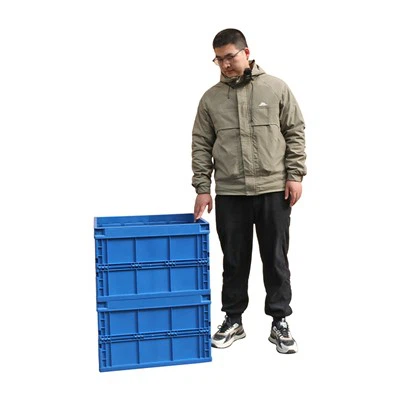
In the logistics and supply chain industry, the choice of appropriate containers for transporting goods is crucial, especially when it comes to perishable items. As a supplier of vented bulk containers, I am often asked whether these containers can be used for perishable goods. In this blog, I will delve into this question, exploring the characteristics of vented bulk containers and their suitability for perishable products.
Understanding Vented Bulk Containers
Vented bulk containers are designed with holes or perforations on their sides and sometimes on the top. These vents serve multiple purposes. Firstly, they allow air to circulate within the container. This air circulation is vital as it helps in regulating the temperature and humidity inside the container. For example, in a closed container, heat and moisture can build up, which can be detrimental to many types of goods. With vents, the hot and humid air can escape, and fresh air can enter, maintaining a more stable internal environment.
Secondly, vents can prevent the growth of mold and mildew. Perishable goods are often susceptible to these issues, especially when stored in a confined and moist space. The continuous air exchange provided by the vents helps keep the environment dry, reducing the risk of spoilage due to mold.
Suitability for Perishable Goods
-
Fruits and Vegetables
Fruits and vegetables are highly perishable. They breathe, emitting ethylene gas as they ripen. If this gas accumulates in a sealed container, it can accelerate the ripening process and lead to over - ripening and spoilage. Vented bulk containers allow the ethylene gas to escape, slowing down the ripening process and extending the shelf - life of the produce. For instance, apples produce a significant amount of ethylene gas. When stored in a vented container, the gas can dissipate, keeping the apples fresh for a longer time.

-
Meat and Seafood
Meat and seafood require a cool and well - ventilated environment to prevent the growth of bacteria. Vented containers provide the necessary air circulation to keep the products at an appropriate temperature. The vents also help in removing any unpleasant odors that may develop during transportation. However, it's important to note that while vents are beneficial, additional measures such as refrigeration may still be required to ensure the safety of these highly perishable items. -
Dairy Products
Dairy products like cheese and yogurt are also perishable. They are sensitive to temperature and humidity changes. Vented containers can help in maintaining a stable environment, but they need to be used in conjunction with proper refrigeration. The air circulation provided by the vents can prevent the formation of condensation, which can lead to spoilage and affect the quality of the dairy products.
Advantages of Using Vented Bulk Containers for Perishable Goods
- Extended Shelf - Life
As mentioned earlier, the air circulation in vented containers helps in regulating the internal environment, which can significantly extend the shelf - life of perishable goods. This is beneficial for both suppliers and retailers as it reduces the amount of waste due to spoilage. - Improved Quality
By preventing the build - up of heat, moisture, and ethylene gas, vented containers help in maintaining the quality of the perishable goods. For example, fruits and vegetables will retain their color, texture, and flavor for a longer time when stored in a well - ventilated container. - Cost - Efficiency
Using vented bulk containers can be cost - effective in the long run. Since they help in reducing spoilage, businesses can save on the costs associated with wasted products. Additionally, these containers are often reusable, which further reduces the overall cost of transportation and storage.
Considerations When Using Vented Bulk Containers for Perishable Goods
- Temperature Control
While vents help in air circulation, they may not be sufficient to maintain the required temperature for all perishable goods. For products like meat, seafood, and some dairy products, refrigeration is essential. Vented containers can be used in combination with refrigerated transport or storage facilities to ensure the proper temperature is maintained. - Hygiene
Regular cleaning of vented bulk containers is crucial to prevent the growth of bacteria and other contaminants. The vents can sometimes trap dirt and debris, which can pose a risk to the perishable goods. Therefore, it's important to have a proper cleaning and sanitization routine in place. - Product Compatibility
Not all perishable goods are suitable for vented containers. Some products may require a completely sealed environment to prevent moisture loss or contamination. For example, certain types of delicate pastries or freshly baked bread may dry out if stored in a vented container.
Our Vented Bulk Containers
As a supplier of vented bulk containers, we offer a wide range of products to meet the diverse needs of our customers. Our Perforated Plastic Pallet Box is one of our popular products. It is made of high - quality plastic, which is durable and resistant to damage. The perforations on the box are designed to provide optimal air circulation, making it suitable for a variety of perishable goods.
Our containers are also stackable, which helps in saving space during transportation and storage. We understand the importance of providing reliable and efficient solutions for our customers, especially when it comes to transporting perishable goods.
Conclusion
In conclusion, vented bulk containers can be effectively used for perishable goods, but it's important to consider the specific requirements of each product. With proper temperature control, hygiene measures, and product compatibility, these containers can help in extending the shelf - life and maintaining the quality of perishable items.
If you are in the market for vented bulk containers for your perishable goods, we would be more than happy to assist you. Our team of experts can provide you with detailed information about our products and help you choose the most suitable container for your needs. Contact us today to start a discussion about your procurement requirements.
References
- "Logistics and Supply Chain Management" by Martin Christopher
- "Food Preservation Technology" by Gustavo V. Barbosa - Canovas