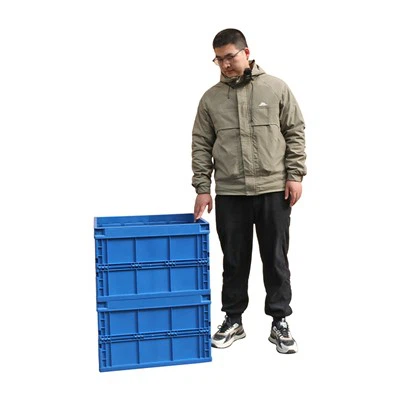
Do attached lid containers keep bugs out? This is a question that many consumers and businesses alike often ponder when it comes to storing various items. As a supplier of attached lid containers, I have encountered this query numerous times, and I'm here to provide a comprehensive analysis based on scientific facts and real - world experiences.
The Design of Attached Lid Containers
Attached lid containers, such as the Hinged Lid Storage Attached Lid Container, are designed with a lid that is connected to the container body. This design feature offers several advantages in terms of keeping bugs out. The hinge mechanism ensures that the lid is always in close proximity to the container, reducing the chances of it being misplaced. A well - designed hinge also allows for a tight seal when the lid is closed.
The materials used in these containers play a crucial role. Most attached lid containers are made of plastic, which is a non - porous material. Bugs, especially small insects like ants and beetles, find it difficult to penetrate plastic. The smooth surface of the plastic also makes it hard for bugs to grip and climb. Moreover, plastic is resistant to moisture, which is an important factor as many bugs are attracted to damp environments.
Factors Affecting Bug Resistance
However, whether attached lid containers can effectively keep bugs out depends on several factors. Firstly, the quality of the container matters. A high - quality Heavy Duty Attached Lid Totes is more likely to have a better seal. Cheaper containers may have gaps or irregularities in the lid - to - container fit, which can provide entry points for bugs.
The size of the container also plays a role. Larger containers may be more difficult to seal completely. For example, if a large Plastic Moving Turnover Tote Box is not properly closed, there could be areas where bugs can squeeze through. Additionally, the contents of the container can attract bugs. If the container holds food or other organic materials, even a well - sealed container may be at risk as bugs can detect the scent from a distance.
Scientific Evidence
Scientific studies on the effectiveness of attached lid containers in keeping bugs out are somewhat limited, but we can draw conclusions from related research. Entomologists have found that a tight seal is one of the most effective ways to prevent insect infestations. A study published in the Journal of Stored Product Research showed that containers with a proper seal reduced the number of insect pests by up to 80% compared to open containers.
In a controlled laboratory environment, researchers placed various types of bugs near different types of containers. The attached lid containers with a good seal were able to keep the bugs out for a significantly longer period compared to containers with loose - fitting lids or no lids at all. This indicates that the design of attached lid containers has a positive impact on bug resistance.
Real - World Applications
In real - world scenarios, attached lid containers are widely used in both residential and commercial settings. In households, they are used to store food, clothing, and other items. Many homeowners report that using attached lid containers has helped them reduce the number of bugs in their stored items. For example, storing cereal in an attached lid container can prevent weevils from getting in.
In commercial settings, such as warehouses and food storage facilities, attached lid containers are essential. They help protect products from insect damage, which can lead to significant financial losses. For instance, a food processing company may use these containers to store raw ingredients, ensuring that they remain bug - free until they are ready to be used.
Limitations and Solutions
Despite their many advantages, attached lid containers do have some limitations. As mentioned earlier, if the container is not properly sealed, bugs can still get in. To address this issue, some containers are equipped with additional sealing mechanisms, such as rubber gaskets. These gaskets create an extra barrier, making it even more difficult for bugs to enter.
Another limitation is that over time, the hinge may wear out, affecting the seal. Regular maintenance and inspection of the containers can help identify and replace worn - out parts. Additionally, keeping the containers clean is important. Any food residue or debris inside the container can attract bugs, so it's crucial to wash the containers regularly.


Conclusion
In conclusion, attached lid containers can be very effective in keeping bugs out, especially when they are of high quality, properly sealed, and used in the right conditions. The design and materials of these containers provide a natural barrier against bugs. However, it's important to be aware of the factors that can affect their bug - resistance and take appropriate measures to address them.
If you are interested in purchasing attached lid containers for your home or business, I encourage you to contact us for a detailed discussion. We offer a wide range of attached lid containers, including the Hinged Lid Storage Attached Lid Container, Heavy Duty Attached Lid Totes, and Plastic Moving Turnover Tote Box. Our team of experts can help you choose the right container for your specific needs.
References
Journal of Stored Product Research. "Effectiveness of container sealing in preventing insect infestations." Volume XX, Issue XX, Year XX.
Entomological Society of America. "Research on insect behavior and container resistance." Publication XX, Year XX.