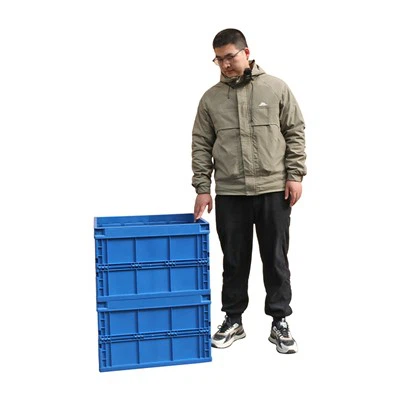
As a supplier of folding crates, I've heard a lot of concerns from customers about preventing these crates from tipping over. It's a crucial issue, especially when you're using these crates for transporting or storing goods. In this blog, I'll share some practical tips on how to keep your folding crates stable and upright.


Understanding the Basics of Folding Crates
First off, let's talk a bit about folding crates. They're super convenient because they can be collapsed when not in use, saving a ton of storage space. We offer a variety of folding crates, like Vegetable and Fruit Crates, Ventilated PP Stacking Vegetables Collapsible Plastic Crate, and Transport Stackable EU Plastic Logistics Boxes. These crates are made from high - quality materials, but they can still tip over if not used correctly.
Weight Distribution
One of the most important factors in preventing a folding crate from tipping over is proper weight distribution. When you're loading your crate, make sure to distribute the weight evenly. Don't pile all the heavy items on one side. For example, if you're using a crate to transport fruits and vegetables, arrange them in a balanced way. If you have a mix of light and heavy items, place the heavy ones at the bottom and spread them out. This lowers the center of gravity of the crate, making it more stable.
Let's say you're loading a Vegetable and Fruit Crates. Instead of just dumping all the heavy melons on one side, place them evenly across the bottom of the crate. Then, you can add the lighter items on top. This way, the crate is less likely to tip when you move it around.
Stacking Properly
Stacking folding crates is a common practice, but it needs to be done right. When you stack crates, make sure they are properly aligned. If the crates are not aligned, it can create an unstable structure that is prone to tipping. Also, don't stack the crates too high. Each crate has a recommended stacking height, which is usually specified by the manufacturer.
For our Ventilated PP Stacking Vegetables Collapsible Plastic Crate, we suggest not stacking more than three or four crates on top of each other. This ensures that the stack remains stable and reduces the risk of the whole stack toppling over.
Surface Conditions
The surface on which you place your folding crates also matters a great deal. Uneven or slippery surfaces can cause the crates to tip. Before placing your crates, make sure the surface is flat and clean. If the surface is slippery, you can use non - slip mats or pads under the crates.
For example, if you're using Transport Stackable EU Plastic Logistics Boxes in a warehouse with a smooth concrete floor, placing a non - slip mat under the crate can significantly improve its stability.
Using Straps or Fasteners
In some cases, especially when transporting the crates, using straps or fasteners can be very helpful. You can use cargo straps to secure the crates to a pallet or a vehicle. This prevents the crates from shifting during transit, which could lead to tipping.
If you're shipping our folding crates long - distance, it's a good idea to use straps to keep them in place. This not only prevents tipping but also reduces the risk of damage to the contents inside the crates.
Regular Inspections
Regularly inspecting your folding crates is essential. Check for any signs of damage, such as cracks or broken hinges. A damaged crate is more likely to tip over. If you find any issues, either repair the crate or replace it.
For instance, if you notice a crack in one of our Vegetable and Fruit Crates, it's best to fix it as soon as possible. A small crack can weaken the structure of the crate and increase the risk of tipping.
Training and Education
If you have employees or workers handling the folding crates, it's important to provide them with proper training. Teach them about the importance of proper weight distribution, stacking techniques, and surface conditions. This can significantly reduce the number of tipping incidents.
You can also create a set of guidelines for handling the crates and make sure everyone follows them. For example, you can post these guidelines near the storage area or in the workplace to remind workers.
Conclusion
Preventing a folding crate from tipping over is a combination of proper weight distribution, correct stacking, suitable surface conditions, the use of straps, regular inspections, and proper training. By following these tips, you can ensure that your folding crates remain stable and safe to use.
If you're interested in purchasing our high - quality folding crates or have any questions about preventing them from tipping over, feel free to get in touch with us. We're here to help you find the best solutions for your storage and transportation needs.
References
- General knowledge about folding crate usage and safety.
- Manufacturer's guidelines for our folding crates.