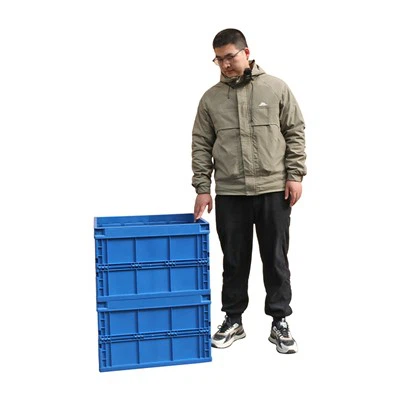
As a supplier of vented bulk containers, I've witnessed firsthand the critical role these containers play in various industries, especially in preventing moisture buildup. In this blog, I'll delve into the science behind how vented bulk containers achieve this and why they are an essential solution for businesses dealing with bulk storage.
The Problem of Moisture Buildup
Moisture buildup in bulk containers can lead to a multitude of issues. For industries storing food products, it can cause mold growth, spoilage, and a significant reduction in shelf life. In the pharmaceutical industry, moisture can compromise the integrity of medications, rendering them ineffective. Even in non - perishable goods, such as electronics, moisture can lead to corrosion and damage to sensitive components.
When a bulk container is sealed without proper ventilation, the air inside can become saturated with moisture. This can happen due to various factors, including the natural humidity in the environment, the moisture content of the stored goods themselves, or even condensation that occurs when the temperature inside the container fluctuates.
How Vented Bulk Containers Work
Ventilation Design
Vented bulk containers are designed with specific ventilation features that allow air to circulate freely inside the container. These vents come in various shapes and sizes, depending on the application and the type of goods being stored. For example, some containers have small perforations evenly distributed across the sides and bottom, while others may have larger vents or slits.
The Perforated Plastic Pallet Box, available at Perforated Plastic Pallet Box, is a prime example of a well - designed vented bulk container. The perforations on this box are strategically placed to ensure maximum air circulation while still providing sufficient structural integrity to hold the contents.
Air Circulation
The key to preventing moisture buildup is air circulation. When air can move freely in and out of the container, it helps to carry away the moisture. As the warm, moist air inside the container rises, it escapes through the vents, and fresh, drier air from the outside is drawn in. This continuous exchange of air helps to maintain a stable humidity level inside the container.
For instance, in a warehouse where the ambient air has a relatively low humidity, the vented bulk container allows the moist air inside to be replaced with the drier outside air. This process is similar to how a well - ventilated room in a house stays dry and free from mold.
Temperature Regulation
Vented bulk containers also play a role in temperature regulation, which is closely related to moisture control. When the air circulates, it helps to equalize the temperature inside the container. Fluctuations in temperature can cause condensation, which is a major contributor to moisture buildup. By keeping the temperature stable, the risk of condensation is significantly reduced.
In a cold storage facility, for example, if the temperature inside the vented container is the same as the surrounding environment, there is less chance of condensation forming on the walls of the container. This is because the air inside the container is less likely to cool down rapidly and reach its dew point.
Benefits of Preventing Moisture Buildup
Product Quality
By preventing moisture buildup, vented bulk containers help to maintain the quality of the stored products. In the food industry, this means that fruits, vegetables, and grains can be stored for longer periods without spoiling. In the manufacturing industry, it ensures that raw materials and finished products are not damaged by moisture, reducing waste and improving overall product quality.
Cost Savings
Businesses can save a significant amount of money by using vented bulk containers. The reduced spoilage and damage to products mean fewer losses. Additionally, since the containers help to maintain a stable environment, there is less need for expensive humidity control systems in storage facilities.
Compliance
Many industries are subject to strict regulations regarding product storage and handling. For example, the food and pharmaceutical industries must comply with hygiene and safety standards. Vented bulk containers help businesses meet these requirements by preventing moisture - related issues that could lead to non - compliance.
Applications of Vented Bulk Containers
Agriculture
In the agricultural industry, vented bulk containers are used to store and transport fruits, vegetables, and grains. These containers allow the produce to breathe, reducing the risk of mold and rot. For example, when transporting apples from the orchard to the market, a vented bulk container ensures that the apples remain fresh and free from moisture - related damage.
Manufacturing
Manufacturing companies use vented bulk containers to store raw materials such as plastic pellets, metal parts, and electronic components. The ventilation helps to prevent corrosion and damage to these materials, ensuring that they are in good condition when used in the production process.
Food Processing
In food processing plants, vented bulk containers are used to store ingredients and semi - finished products. They help to maintain the quality of the food by preventing moisture buildup, which can lead to bacterial growth and spoilage.
Choosing the Right Vented Bulk Container
When selecting a vented bulk container, several factors need to be considered. First, the size and capacity of the container should match the volume of the goods being stored. Second, the type of vents and their placement should be appropriate for the specific application. For example, if the stored goods are sensitive to dust, the vents should be designed to prevent dust from entering the container.
The material of the container is also important. Plastic containers are lightweight, durable, and resistant to corrosion. They are a popular choice for many industries. However, in some cases, metal containers may be more suitable, especially if the stored goods require a high level of strength and protection.
Conclusion
Vented bulk containers are an effective solution for preventing moisture buildup in various industries. Their unique design allows for air circulation, temperature regulation, and ultimately, the preservation of product quality. As a supplier of vented bulk containers, I understand the importance of providing high - quality products that meet the specific needs of our customers.
If you are interested in learning more about our vented bulk containers or have any questions regarding moisture prevention in your storage operations, I encourage you to contact us for a detailed discussion. We are committed to helping you find the best solution for your business.


References
- Smith, J. (2020). "The Science of Moisture Control in Bulk Storage". Journal of Industrial Storage, 15(2), 45 - 56.
- Johnson, A. (2019). "Vented Containers: A Key to Product Preservation". International Journal of Logistics and Supply Chain Management, 22(3), 78 - 89.
- Brown, C. (2021). "Applications of Vented Bulk Containers in Different Industries". Proceedings of the National Storage Conference, 35 - 42.