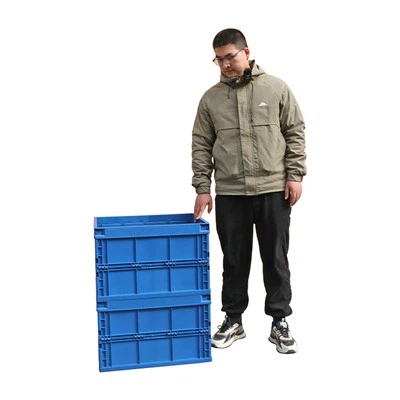
Stacking plastic storage tote containers efficiently and safely is a crucial skill for anyone looking to maximize storage space. As a supplier of high - quality plastic storage tote containers, I've seen firsthand the challenges and benefits associated with proper stacking. In this blog, I'll share valuable insights and practical tips on how to stack these containers without them toppling over.
Understanding Your Containers
Before you start stacking, it's essential to understand the design and features of your plastic storage tote containers. Different types of containers are built for different purposes, and their design can significantly impact how they stack.
Heavy Duty Attached Lid Totes
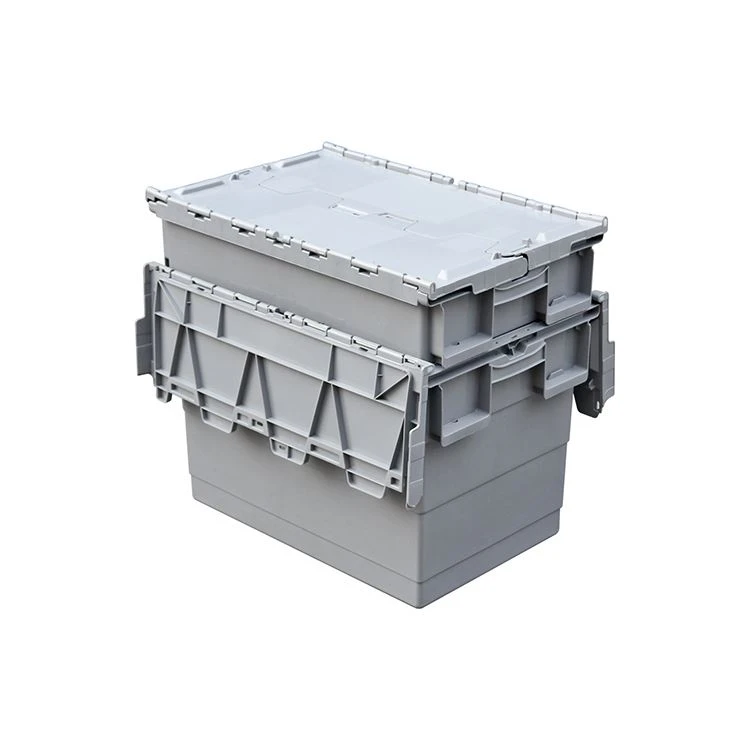
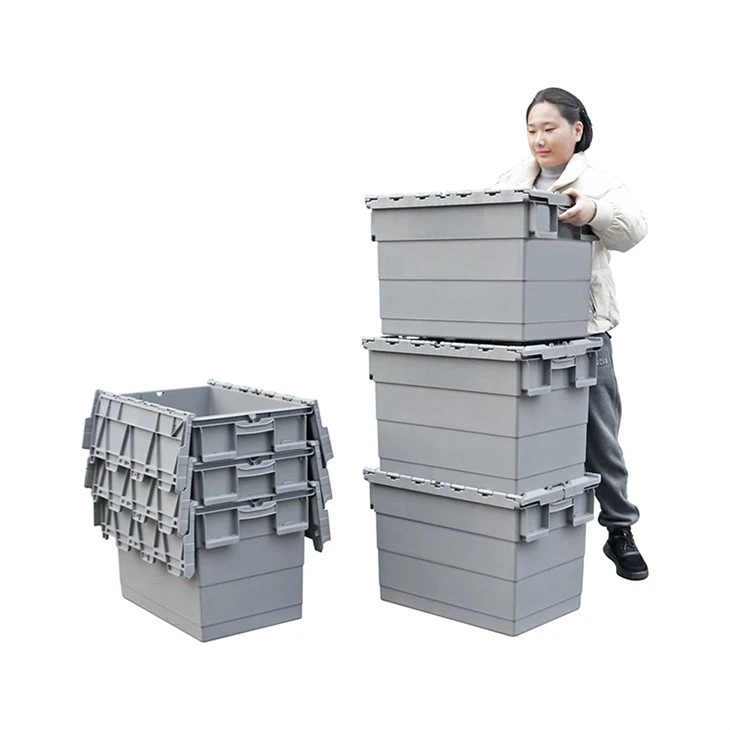
These Heavy Duty Attached Lid Totes are designed to withstand heavy loads. They usually have a robust structure and a secure lid that attaches firmly to the container. The attached lid ensures that the contents stay inside, and the container maintains its shape, which is beneficial for stacking. When stacking these totes, make sure the lids are properly closed, as an open lid can disrupt the balance of the stack.
Nesting Industrial Shipping Plastic Tote Container
The Nesting Industrial Shipping Plastic Tote Container is designed to be space - efficient when not in use. When they are stacked for storage, they need to be arranged correctly to ensure stability. These totes often have a shape that allows them to nest together, reducing empty space during transportation. However, this nesting feature also means that you need to be careful about how you stack them when they are full. Make sure that the full totes are placed on a flat surface and that the weight is evenly distributed.
Plastic Moving Turnover Tote Box
Plastic Moving Turnover Tote Box is commonly used for moving and transporting items. They are lightweight but still need to be stacked properly. Check for any handles or edges on the tote boxes that could affect stacking. If the handles protrude, you may need to adjust the stacking pattern to ensure a stable base.
Hinged Lid Storage Attached Lid Container
The Hinged Lid Storage Attached Lid Container offers easy access to the contents. When stacking these containers, pay attention to the hinge mechanism. Make sure that the hinges are not in a position where they could cause the stack to become unstable. You may need to align the containers in a way that the hinges do not interfere with each other.
Sealed Stackable Plastic Storage Tote
These Sealed Stackable Plastic Storage Tote are designed for optimal stacking. They typically have a flat top and bottom surface, which provides a stable base for stacking. The seal ensures that the contents are protected from dust and moisture. However, make sure that the seal is not damaged, as a damaged seal can affect the stacking stability.
Preparing the Stacking Area
The area where you plan to stack the plastic storage tote containers is just as important as the containers themselves.
Clean and Flat Surface
Before you start stacking, clean the surface where the containers will be placed. Any dirt, debris, or unevenness can cause the stack to become unstable. A flat surface is crucial, as even a slight incline can lead to the containers toppling over. Use a level to ensure that the surface is perfectly flat.
Adequate Space
Make sure there is enough space around the stacking area. This allows you to access the containers easily and reduces the risk of accidentally knocking the stack over. Also, consider the height of the stack and make sure there is enough vertical space to accommodate it without hitting the ceiling or other objects.
Stacking Techniques
Once you've understood your containers and prepared the stacking area, it's time to start stacking.
Start with a Solid Base
Begin by placing the largest and heaviest containers at the bottom of the stack. This creates a stable base that can support the weight of the containers above. Ensure that the base containers are evenly spaced and aligned, and that their edges are flush with each other.
Alternate the Direction of the Containers
When stacking multiple layers of containers, consider alternating the direction of the containers in each layer. For example, if the containers in the first layer are placed lengthwise, place the containers in the second layer widthwise. This cross - stacking pattern can increase the stability of the stack by distributing the weight more evenly.
Fill Containers Uniformly
Try to fill the containers with a relatively uniform amount of weight. A container that is heavily loaded on one side can cause the stack to become unbalanced. If you have items of different weights, distribute them evenly among the containers.
Check for Compatibility
Some containers may have specific stacking features or requirements. For example, some containers are designed to interlock with each other. Make sure to use these features to your advantage to create a more stable stack.
Safety Considerations
Stacking plastic storage tote containers is not just about creating a stable stack; it's also about ensuring safety.
Do Not Overstack
Be aware of the weight capacity of the containers and the stacking area. Overstacking can increase the risk of the stack collapsing, which can cause injury and damage to the contents. Follow the manufacturer's guidelines regarding the maximum number of containers that can be stacked safely.
Inspect Regularly
Periodically inspect the stack to ensure that it remains stable. Check for any signs of damage to the containers, such as cracks or broken lids. If you notice any issues, take immediate action to correct them, such as redistributing the weight or replacing a damaged container.
Use Safety Equipment
If you are stacking containers at a significant height, consider using safety equipment such as a ladder or a forklift. Make sure that anyone operating this equipment is properly trained.
Advanced Stacking Strategies for Larger Quantities
When dealing with a large number of plastic storage tote containers, some advanced strategies can be employed.
Create Rows and Columns
Instead of creating a single tall stack, consider creating multiple rows and columns of stacks. This not only distributes the weight more evenly but also makes it easier to access individual containers. Leave enough space between the rows for easy movement.
Use Stacking Frames or Pallets
Stacking frames or pallets can provide additional support for the containers. Place the containers on a pallet, and then stack the pallets on top of each other. This helps to distribute the weight more evenly and reduces the risk of the containers shifting.
Conclusion
Stacking plastic storage tote containers without them toppling over requires careful planning, an understanding of the containers' features, and proper stacking techniques. By following the tips outlined in this blog, you can create a stable and efficient storage solution.
As a supplier of high - quality plastic storage tote containers, we are committed to providing you with products that meet your needs. Whether you need heavy - duty containers for industrial use or lightweight ones for household storage, we have a wide range of options available. If you're interested in purchasing our plastic storage tote containers, we invite you to get in touch with us for a detailed discussion about your requirements and to explore the best solutions for your storage needs.
References
- General knowledge about plastic storage tote containers from industry experience.
- Manufacturer guidelines for various plastic storage tote containers.