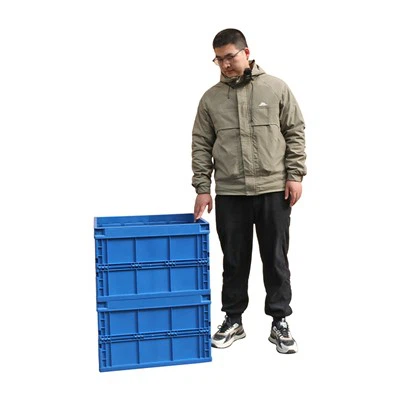
Hey there! As a supplier of attached lid containers, I've seen all sorts of products out there. And let me tell you, not all attached lid containers are created equal. In this blog, I'm gonna share with you how to tell if an attached lid container is of good quality.
1. Material Matters
First off, the material of the container is super important. Most attached lid containers are made from plastic, but not all plastics are the same. High - quality containers are usually made from durable plastics like high - density polyethylene (HDPE) or polypropylene (PP).
HDPE is known for its strength and resistance to impact. It can withstand rough handling, drops, and bumps without cracking or breaking easily. If you pick up a container and it feels sturdy and doesn't flex too much when you squeeze it gently, that's a good sign.
PP, on the other hand, is also strong and has good chemical resistance. It can handle exposure to various chemicals without degrading. You can check the product description or ask the supplier about the type of plastic used. If they're using HDPE or PP, it's likely a quality container.
Our Plastic Round Trip Totes are made from high - grade HDPE, which makes them super durable for long - term use.
2. Lid Fit
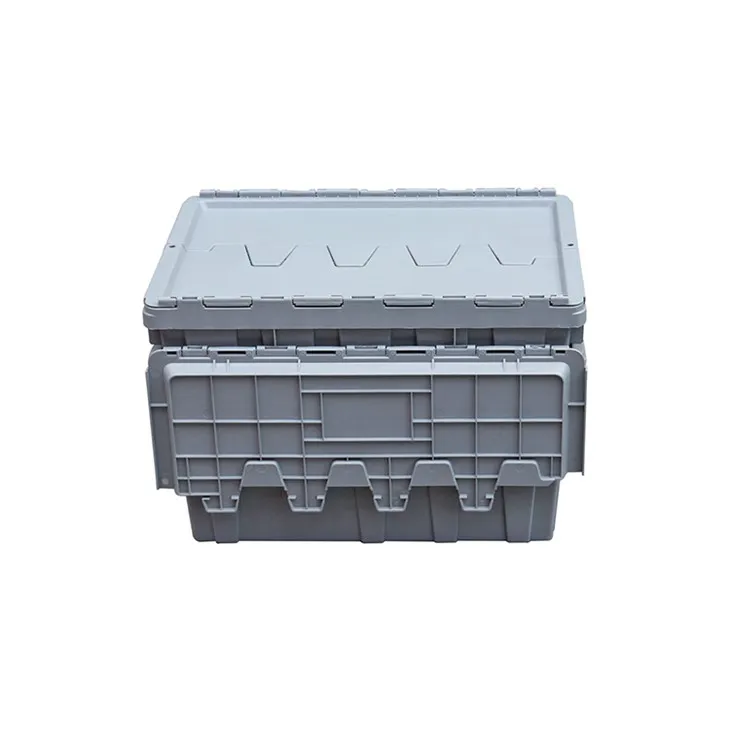
The fit of the lid is crucial. A good - quality attached lid container should have a tight and secure fit. You don't want the lid to come off easily, especially if you're transporting items inside.
To test the lid fit, try opening and closing the lid a few times. It should open smoothly without any excessive force, but it should also close tightly. There shouldn't be any gaps between the lid and the container when it's closed. If there are gaps, it could let in dust, dirt, or even water, which is a big no - no.
Our Nesting Industrial Shipping Plastic Tote Container has a well - designed lid that fits snugly, ensuring your items stay protected.
3. Hinge Quality
Since the lid is attached to the container by hinges, the quality of the hinges is a key factor. Good hinges should be strong and flexible. They should allow the lid to open and close smoothly without getting stuck or breaking.
Check the hinges for any signs of weakness, like cracks or loose parts. You can also try opening and closing the lid a few times to see how the hinges perform. If they make a lot of noise or feel wobbly, it might be a sign of poor quality.
In our containers, we use high - quality hinges that are designed to last. They can withstand repeated use without losing their functionality.
4. Structural Integrity
Look at the overall structure of the container. It should have a solid design that can support the weight of the items you're going to put inside. Check for any thin or weak areas on the container walls.
A well - made container will have reinforced corners and edges. These reinforcements help prevent damage when the container is stacked or moved around. You can also try stacking a few containers on top of each other (if they're stackable) to see if they can handle the weight without collapsing.
Our Plastic Moving Turnover Tote Box has a strong and sturdy structure with reinforced corners, making it suitable for heavy - duty use.
5. Capacity and Dimensions
Make sure the container has the right capacity for your needs. You don't want a container that's too small or too big. Check the product specifications for the exact dimensions and capacity.
It's also important to consider the shape of the container. Some containers are designed to be more space - efficient, especially if you need to store or transport multiple containers. For example, nesting containers can save a lot of space when they're not in use.
6. Resistance to Environmental Factors
A good - quality attached lid container should be resistant to environmental factors like heat, cold, and UV rays. If you're going to use the container outdoors, it needs to be able to withstand sunlight without fading or becoming brittle.
Plastic containers made from high - quality materials usually have good resistance to UV rays. You can ask the supplier about the container's UV resistance rating. Also, consider the temperature range in which the container will be used. Some plastics can become too soft in high temperatures or too brittle in cold temperatures.
7. Ease of Cleaning
Let's face it, containers get dirty. So, it's important that they're easy to clean. A good - quality container should have a smooth interior surface that doesn't hold onto dirt and grime.

You should be able to clean the container with a simple soap and water solution. Avoid containers with lots of crevices or hard - to - reach areas, as these can be difficult to clean properly.
8. Brand Reputation
The reputation of the brand can also give you an idea of the quality of the container. Do some research on the brand. Look for customer reviews and testimonials. If a brand has a good reputation for producing high - quality products, it's more likely that their attached lid containers are also of good quality.
As a supplier, we take pride in our reputation for providing top - notch attached lid containers. We've received positive feedback from many of our customers, which is a testament to the quality of our products.
Contact Us for Procurement
If you're in the market for high - quality attached lid containers, we'd love to hear from you. Whether you need Plastic Round Trip Totes, Nesting Industrial Shipping Plastic Tote Container, or Plastic Moving Turnover Tote Box, we have a wide range of options to meet your needs.
Get in touch with us to discuss your requirements and start the procurement process. We're here to help you find the perfect attached lid containers for your business.
References
- Plastics Industry Association. (2023). Guide to Plastic Materials.
- Container Manufacturers Institute. (2023). Best Practices for Container Quality.