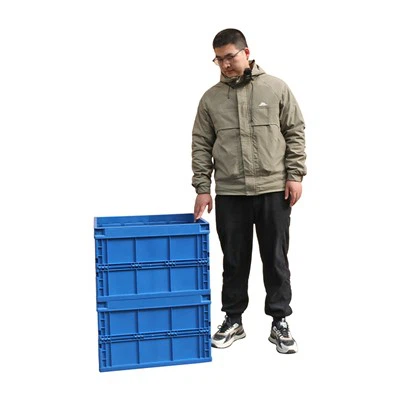
As a supplier of rigid pallet boxes, I've had the privilege of working with a wide range of materials that go into creating these essential storage and transportation solutions. Rigid pallet boxes are designed to be durable, stackable, and capable of withstanding the rigors of various industries. In this blog post, I'll explore the different materials used to make rigid pallet boxes, their characteristics, and the benefits they offer.
Plastic
Plastic is one of the most common materials used in the production of rigid pallet boxes. It offers several advantages, including lightweight construction, resistance to corrosion, and ease of cleaning. Plastic pallet boxes are available in a variety of colors, sizes, and designs to meet the specific needs of different industries.
High-Density Polyethylene (HDPE)
HDPE is a popular choice for rigid pallet boxes due to its high strength, impact resistance, and chemical resistance. It is also lightweight, making it easy to handle and transport. HDPE pallet boxes are commonly used in industries such as food and beverage, pharmaceuticals, and automotive.
Polypropylene (PP)
PP is another widely used plastic material for rigid pallet boxes. It is known for its excellent stiffness, heat resistance, and low moisture absorption. PP pallet boxes are often used in applications where high temperatures or harsh chemicals are involved.
Recycled Plastic
In recent years, there has been a growing trend towards using recycled plastic in the production of rigid pallet boxes. Recycled plastic offers several environmental benefits, including reduced waste and energy consumption. It also provides a cost-effective alternative to virgin plastic.
One of our popular plastic pallet box products is the Solid Wall Plastic Pallet Box. This box is made from high-quality HDPE and features a solid wall construction for maximum strength and durability. It is ideal for storing and transporting a variety of products, including food, beverages, and industrial goods.
Wood
Wood has been used for centuries in the construction of pallet boxes. It is a natural and renewable material that offers several advantages, including strength, durability, and affordability. Wood pallet boxes are commonly used in industries such as agriculture, forestry, and manufacturing.
Hardwood
Hardwood is a dense and strong wood that is commonly used in the production of heavy-duty pallet boxes. It is resistant to wear and tear and can withstand heavy loads. Hardwood pallet boxes are often used in applications where high strength and durability are required.
Softwood
Softwood is a lighter and more flexible wood that is commonly used in the production of standard pallet boxes. It is less expensive than hardwood and is suitable for applications where lighter loads are involved.
Treated Wood
Treated wood is wood that has been treated with chemicals to protect it from decay, insects, and fungi. Treated wood pallet boxes are commonly used in outdoor applications or in environments where moisture is present.
Metal
Metal is a strong and durable material that is commonly used in the production of heavy-duty pallet boxes. It offers several advantages, including high strength, resistance to impact, and fire resistance. Metal pallet boxes are commonly used in industries such as automotive, aerospace, and construction.
Steel
Steel is a popular choice for metal pallet boxes due to its high strength, durability, and corrosion resistance. It is also relatively inexpensive and easy to fabricate. Steel pallet boxes are commonly used in applications where heavy loads or harsh environments are involved.
Aluminum
Aluminum is a lightweight and corrosion-resistant metal that is commonly used in the production of pallet boxes. It is also easy to handle and transport. Aluminum pallet boxes are commonly used in applications where weight is a concern, such as in the aerospace industry.
Composite Materials
Composite materials are made by combining two or more different materials to create a new material with unique properties. Composite materials are commonly used in the production of rigid pallet boxes to provide a balance of strength, durability, and weight.
Fiberglass Reinforced Plastic (FRP)
FRP is a composite material made by combining fiberglass and plastic. It offers several advantages, including high strength, corrosion resistance, and lightweight construction. FRP pallet boxes are commonly used in applications where high strength and durability are required, such as in the chemical and pharmaceutical industries.
Wood-Plastic Composite (WPC)
WPC is a composite material made by combining wood fibers and plastic. It offers several advantages, including the strength and durability of wood and the moisture resistance and ease of maintenance of plastic. WPC pallet boxes are commonly used in applications where a natural look and feel are desired, such as in the furniture and retail industries.
Choosing the Right Material
When choosing the material for your rigid pallet boxes, it's important to consider several factors, including the type of product you'll be storing or transporting, the environment in which the boxes will be used, and your budget. Here are some tips to help you choose the right material:
- Consider the weight and size of your products: If you'll be storing or transporting heavy or bulky products, you'll need a material that can withstand the weight and provide adequate support.
- Think about the environment in which the boxes will be used: If the boxes will be used in a harsh or corrosive environment, you'll need a material that is resistant to corrosion and damage.
- Consider your budget: Different materials have different costs, so it's important to choose a material that fits your budget.
At our company, we offer a wide range of rigid pallet boxes made from different materials to meet the specific needs of our customers. One of our popular products is the Heavy Duty Storage Plastic Pallet Box. This box is made from high-quality HDPE and features a heavy-duty design for maximum strength and durability. It is ideal for storing and transporting heavy or bulky products.


Conclusion
Rigid pallet boxes are essential storage and transportation solutions that are used in a variety of industries. The materials used to make these boxes play a crucial role in their performance and durability. Plastic, wood, metal, and composite materials are all commonly used in the production of rigid pallet boxes, each offering its own unique advantages and disadvantages.
When choosing the material for your rigid pallet boxes, it's important to consider the specific needs of your application and your budget. At our company, we have the expertise and experience to help you choose the right material for your needs. If you're interested in learning more about our rigid pallet boxes or would like to discuss your specific requirements, please don't hesitate to contact us. We look forward to working with you to provide the best storage and transportation solutions for your business.
References
- "Plastic Pallet Boxes: A Comprehensive Guide." Plastic Pallet Box Manufacturer.
- "Wood Pallet Boxes: Types and Uses." Wood Pallet Box Supplier.
- "Metal Pallet Boxes: Advantages and Applications." Metal Pallet Box Manufacturer.
- "Composite Materials for Pallet Boxes." Composite Material Supplier.