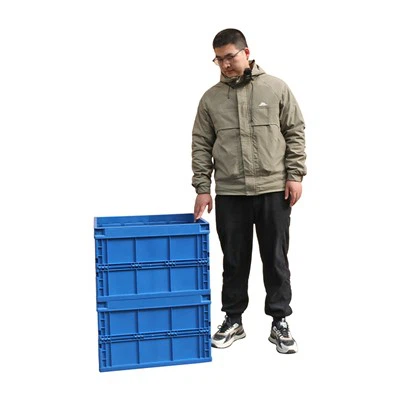
As a supplier of Black Soldier Fly Larvae Boxes, I often encounter a common concern from potential customers: "Do black soldier fly larvae boxes attract pests?" This is a valid question, especially considering the nature of black soldier fly larvae (BSFL) farming, which involves organic waste and a warm, moist environment—conditions that can be appealing to various pests. In this blog, I will delve into this topic, exploring the factors that may attract pests, how to mitigate these risks, and the overall pest management strategies for BSFL boxes.
Understanding the Attraction of Pests
Black soldier fly larvae are remarkable creatures that play a crucial role in waste management. They are voracious eaters, capable of consuming a wide range of organic materials, including food waste, manure, and agricultural by - products. This ability makes them an excellent solution for reducing waste and producing high - quality protein for animal feed. However, the presence of organic waste in the BSFL boxes can potentially attract pests.
One of the primary pests that may be attracted to BSFL boxes is flies. While black soldier flies are beneficial, other fly species, such as house flies and fruit flies, can be a nuisance. House flies are known carriers of diseases and can contaminate the larvae and their environment. Fruit flies are attracted to the fermenting organic matter in the boxes and can quickly multiply, causing an infestation.
Rodents are another potential pest. They are attracted to the food source in the BSFL boxes and can cause damage to the boxes and the larvae. Rodents can also carry diseases and parasites, which can pose a threat to the health of the larvae and the overall farming operation.
Ants are also a common pest in BSFL farming. They are attracted to the sweet substances in the organic waste and can disrupt the larvae's feeding and development. Ants can also carry other pests and diseases, further complicating the situation.
Factors Affecting Pest Attraction
Several factors can influence whether BSFL boxes attract pests. The type and quantity of organic waste used in the boxes play a significant role. If the waste is not properly managed, it can become a breeding ground for pests. For example, if the waste is left to decompose for too long without being consumed by the larvae, it can emit strong odors that attract flies and other pests.
The design and construction of the BSFL boxes are also important. Poorly designed boxes may have gaps or openings that allow pests to enter. Additionally, if the boxes are not properly sealed, they can leak odors and attract pests from the surrounding environment.
The environmental conditions around the BSFL boxes can also affect pest attraction. High humidity and warm temperatures can create an ideal environment for pests to thrive. If the boxes are located in an area with a lot of vegetation or near a source of standing water, it can increase the likelihood of pest infestations.


Mitigating Pest Attraction
To minimize the risk of pest attraction, several strategies can be implemented. First and foremost, proper waste management is essential. The organic waste should be added to the BSFL boxes in a controlled manner, ensuring that the larvae can consume it before it starts to decompose. Regularly removing any uneaten waste and cleaning the boxes can also help reduce the odor and the potential for pest infestations.
The design of the BSFL boxes should be optimized to prevent pests from entering. This can include using tight - fitting lids, sealing any gaps or holes, and using materials that are resistant to pests. For example, Plastic Insect Breeding Trays BSF Farming are made of durable plastic that is less likely to be damaged by pests.
Another effective strategy is to use natural pest control methods. For example, introducing beneficial insects such as predatory mites or nematodes can help control the population of pests. These natural predators can target specific pests without harming the black soldier fly larvae.
Maintaining a clean and hygienic environment around the BSFL boxes is also crucial. This includes keeping the area free of debris, removing any standing water, and regularly disinfecting the boxes. By creating an environment that is less attractive to pests, the risk of infestations can be significantly reduced.
The Role of BSFL Boxes in Pest Management
Despite the potential for pest attraction, BSFL boxes can also play a role in pest management. Black soldier fly larvae have been shown to outcompete other pests for food resources. Their rapid growth and high consumption rate mean that they can quickly consume the organic waste, leaving less for other pests.
In addition, the presence of black soldier fly larvae can deter some pests. The larvae produce certain chemicals and enzymes that can make the environment less appealing to other insects. For example, the excretions of black soldier fly larvae can have antibacterial and antifungal properties, which can help prevent the growth of harmful microorganisms and reduce the risk of disease.
Conclusion
In conclusion, while black soldier fly larvae boxes have the potential to attract pests, with proper management and design, the risk can be effectively mitigated. By implementing strategies such as proper waste management, using well - designed boxes, and employing natural pest control methods, the benefits of BSFL farming can be realized without the hassle of pest infestations.
If you are interested in starting your own BSFL farming operation or are looking for high - quality Black Soldier Fly Larvae Box or Black Soldier Fly Box, we are here to help. Our products are designed to meet the needs of modern BSFL farming, providing a safe and efficient environment for the larvae. Contact us to discuss your requirements and start your journey in sustainable waste management and protein production.
References
- Tomberlin, Jeffery K., et al. "Black soldier fly (Hermetia illucens) as a waste management tool and protein source for animal feed." Insects as Sustainable Food Ingredients: Production, Processing, and Food Applications. Woodhead Publishing, 2016.
- Sheppard, Daniel C., et al. "The black soldier fly, Hermetia illucens (L.), as a waste management tool." Biological Wastes 44.1 (1993): 31 - 37.