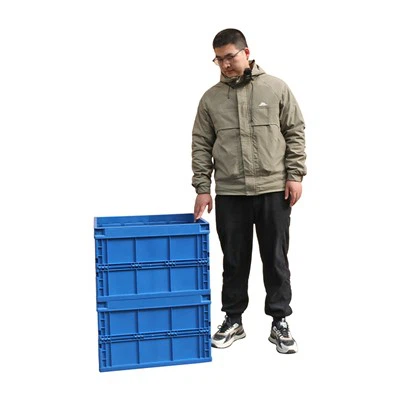
Hey there! As a supplier of Black Soldier Fly Compost Bins, I get a lot of questions about keeping these bins pest - free. It's a crucial aspect, as nobody wants their composting setup to turn into a haven for unwanted critters. In this blog, I'll share some tips and tricks on how to ensure your compost bin stays pest - free.
First off, let's understand why pests might be attracted to your compost bin in the first place. Compost bins are like a buffet for pests. The decomposing organic matter, moisture, and warmth create an ideal environment for various insects, rodents, and other pests. But with the right strategies, you can keep them at bay.
1. Choose the Right Location
The location of your compost bin plays a significant role in pest prevention. Place your bin in a well - ventilated area. Pests, especially flies and mosquitoes, are attracted to stagnant air and high humidity. A well - ventilated spot helps to keep the air moving and reduces the moisture levels inside the bin.
Also, keep the bin away from areas where pests are likely to hide, such as dense bushes or piles of debris. Rodents, for example, like to nest in these areas and can easily access your compost bin if it's too close.
2. Use the Right Materials
When it comes to filling your compost bin, not all materials are created equal. Some materials are more likely to attract pests than others. Avoid adding meat, dairy products, and oily foods to your compost. These items can attract flies, rats, and other pests. Instead, focus on adding plant - based materials like fruit and vegetable scraps, leaves, and grass clippings.
Another important thing is to use the right bedding material. For Black Soldier Fly Compost Bins, materials like shredded paper or cardboard can be great. They help to absorb excess moisture and provide a comfortable environment for the black soldier flies, while also being less appealing to pests.
3. Maintain the Right Temperature and Moisture
Pests thrive in certain temperature and moisture conditions. To keep them away, you need to maintain the right balance in your compost bin. The ideal temperature for black soldier fly composting is between 25 - 35°C (77 - 95°F). At this temperature, the black soldier flies are active and can break down the organic matter efficiently, while many pests find it less comfortable.
Moisture is also crucial. The compost should be moist, but not too wet. If it's too dry, the decomposition process will slow down, and if it's too wet, it can create a breeding ground for pests. Aim for a moisture level of around 50 - 60%. You can check the moisture by squeezing a handful of compost. If a few drops of water come out, it's at the right moisture level.
4. Seal the Bin Properly
A well - sealed compost bin is your first line of defense against pests. Make sure your bin has a tight - fitting lid. This will prevent flies, rodents, and other pests from getting in. You can also use gaskets or seals around the edges of the lid to make it even more airtight.
In addition to the lid, check for any holes or gaps in the bin itself. Even small holes can allow pests to enter. Seal any holes with caulk or other appropriate materials.
5. Regularly Turn the Compost
Turning the compost regularly has several benefits. It helps to aerate the compost, which is essential for the decomposition process. It also disrupts the habitat of pests. Pests like to build nests and lay eggs in the compost, and turning it regularly can destroy these nests and prevent the pests from multiplying.
Aim to turn the compost at least once a week. Use a pitchfork or a compost turner to mix the materials thoroughly.
6. Use Natural Pest Repellents
There are several natural pest repellents that you can use in your compost bin. For example, planting mint or lavender near the bin can help to repel flies and mosquitoes. These plants have strong scents that pests find unpleasant.
You can also add crushed eggshells or diatomaceous earth to the compost. Eggshells can deter slugs and snails, while diatomaceous earth is a natural insecticide that can kill many types of insects.
7. Keep the Area Around the Bin Clean
The area around the compost bin is just as important as the bin itself. Keep the area free of debris, fallen leaves, and other organic matter. This will reduce the places where pests can hide and breed.
Also, clean up any spills or leaks around the bin immediately. Spilled compost can attract pests, so it's important to keep the area clean.
8. Consider Using Pest - Resistant Equipment
As a Black Soldier Fly Compost Bin supplier, I recommend using pest - resistant equipment. For example, Plastic Insect Breeding Trays BSF Farming are designed to be durable and less attractive to pests. These trays are made of high - quality plastic that can withstand the elements and prevent pests from chewing through.
Mealworm Tray can also be a great addition to your composting setup. They are designed to keep the mealworms separate from the main compost, which can help to prevent the spread of pests.
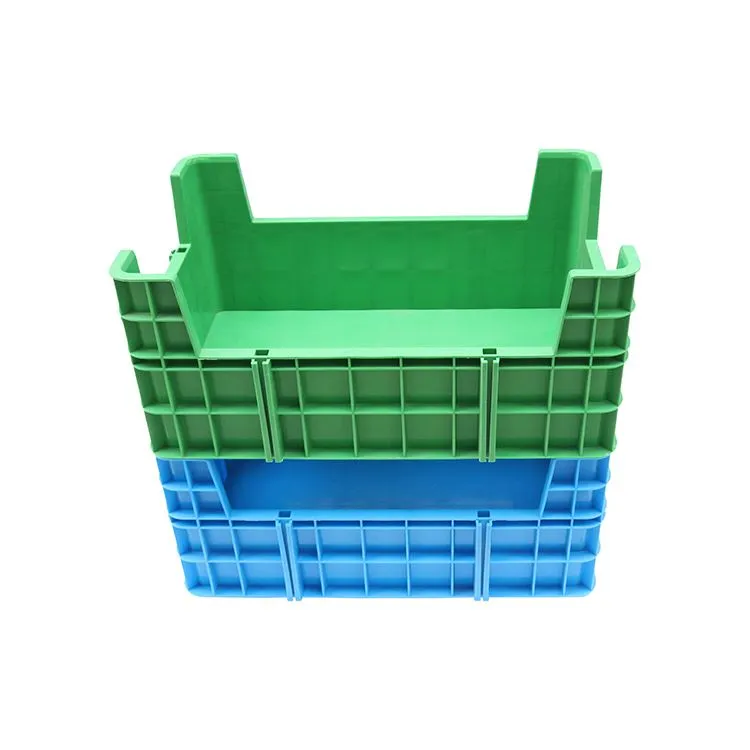

And of course, Black Soldier Fly Larvae Box is specifically designed for black soldier fly larvae. These boxes provide a safe and comfortable environment for the larvae, while also being less accessible to pests.
Conclusion
Keeping your compost bin pest - free is not rocket science, but it does require some effort. By following these tips, you can create a healthy and pest - free composting environment. If you're interested in purchasing a Black Soldier Fly Compost Bin or any of the related equipment, feel free to reach out for a purchase negotiation. I'm here to help you set up a successful composting system.
References
- Composting Science: Principles and Applications. By various authors.
- The Complete Guide to Composting. A well - known composting book.