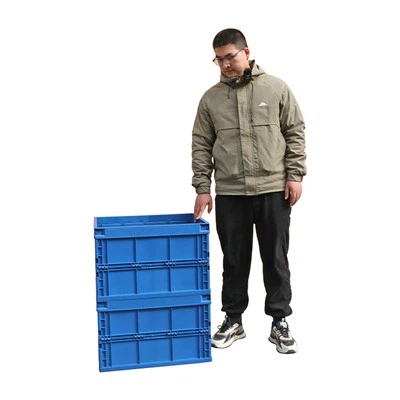
What is the load distribution of a KLT Box?
As a supplier of KLT Boxes, I often encounter questions about the load distribution of these essential storage and transportation containers. Understanding the load distribution of a KLT Box is crucial for ensuring its optimal performance, longevity, and safety in various industrial and commercial applications. In this blog post, I will delve into the concept of load distribution in KLT Boxes, exploring its significance, factors that influence it, and best practices for achieving efficient and safe load distribution.
Significance of Load Distribution in KLT Boxes
Load distribution refers to how the weight of the contents placed inside a KLT Box is spread across its structure. Proper load distribution is essential for several reasons. Firstly, it ensures the structural integrity of the box. When the load is evenly distributed, the stress on the box's walls, corners, and bottom is minimized, reducing the risk of damage such as cracking or deformation. This is particularly important when KLT Boxes are used in automated storage and retrieval systems, where they are subjected to frequent handling and movement.
Secondly, efficient load distribution enhances the stability of the box. A well - balanced load reduces the likelihood of the box tipping over during transportation or storage, which can lead to product damage and safety hazards. In addition, proper load distribution can improve the overall efficiency of storage and handling operations. For example, when boxes are stacked, an evenly distributed load allows for more stable stacking, maximizing the use of vertical space in warehouses.
Factors Influencing Load Distribution
Several factors can influence the load distribution in a KLT Box. The shape and size of the contents are among the most significant factors. Irregularly shaped items may not fit neatly inside the box, leading to uneven weight distribution. For instance, if a box contains long, thin objects that are placed haphazardly, the weight may be concentrated at one end of the box, causing it to become unbalanced.
The density of the contents also plays a role. If a box contains a combination of heavy and light items, the heavy items should be placed at the bottom to ensure a lower center of gravity and better stability. Additionally, the way the contents are packed can affect load distribution. Poor packing techniques, such as overstuffing the box or leaving empty spaces, can lead to an uneven distribution of weight.


The design of the KLT Box itself can impact load distribution. Boxes with reinforced corners and walls are better able to withstand uneven loads. Some KLT Boxes are designed with internal dividers or compartments, which can help in organizing the contents and achieving a more even load distribution.
Best Practices for Achieving Efficient Load Distribution
To achieve efficient load distribution in KLT Boxes, several best practices should be followed. Firstly, it is important to carefully select the appropriate size of the box for the contents. A box that is too large may result in the contents shifting around, while a box that is too small may lead to over - packing and uneven load distribution.
When packing the box, start by placing the heaviest items at the bottom. This helps to lower the center of gravity and improve stability. Arrange the items in an orderly manner, filling any empty spaces with padding or dividers to prevent the contents from moving during transportation.
If possible, use boxes with internal dividers or compartments. These can help in separating different types of items and ensuring a more even distribution of weight. For example, if you are packing small parts, using a box with multiple compartments can prevent the parts from clumping together and creating an uneven load.
When stacking KLT Boxes, make sure that the load is evenly distributed across the stack. Avoid stacking boxes with uneven loads on top of each other, as this can increase the risk of the stack toppling over.
Comparison with Other Types of Turnover Boxes
In the market, there are several types of turnover boxes available, each with its own load - distribution characteristics. For example, the Automated Storage and Retrieval Tote Bin is designed specifically for use in automated storage and retrieval systems. These bins often have a more uniform shape and are optimized for efficient stacking, which can help in achieving better load distribution.
The HP Turnover Box is known for its high - performance features. It is typically made of durable materials and may have a reinforced structure, which allows it to handle heavier loads and distribute the weight more effectively.
The EU Turnover Box is standardized in Europe and is designed to fit well in various storage and transportation systems. Its regular shape and dimensions contribute to more predictable load distribution.
The KLT Box, on the other hand, is a versatile container that can be used in a wide range of applications. It is available in different sizes and designs, which allows for flexibility in load distribution depending on the specific requirements of the contents.
The ST Turnover Box is also a popular choice. It is often used in industries where a high level of durability and load - bearing capacity is required. The design of the ST Turnover Box may include features such as ribbed walls and a sturdy bottom, which help in distributing the load evenly.
Conclusion and Call to Action
In conclusion, understanding the load distribution of a KLT Box is essential for its proper use and performance. By following best practices for load distribution, you can ensure the safety of your products, extend the lifespan of the boxes, and improve the efficiency of your storage and transportation operations.
If you are in the market for high - quality KLT Boxes or other types of turnover boxes, we are here to help. Our company offers a wide range of products designed to meet your specific needs. Whether you need boxes for automated storage systems, general warehousing, or transportation, we have the solutions for you. Contact us to discuss your requirements and start a procurement conversation.
References
- "Industrial Packaging Handbook", John Wiley & Sons
- "Materials Handling and Logistics", Pearson Education