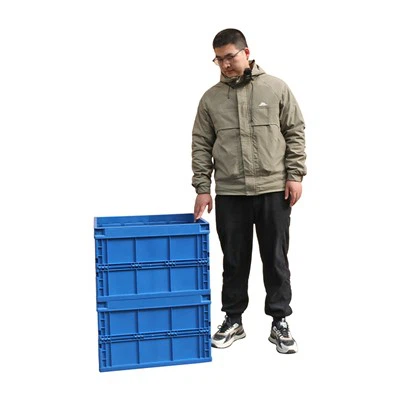
Hey there! As a supplier of Black Soldier Fly Larvae Box, I often get asked if it's possible to use our black soldier fly larvae box in winter. Well, let's dive right into this topic and find out.
First off, we need to understand a bit about black soldier flies and their larvae. Black soldier flies are pretty amazing insects. Their larvae are voracious eaters and can consume a wide variety of organic waste, turning it into valuable biomass. They're also used in many industries, like animal feed production and waste management.
But these little critters are sensitive to temperature. Black soldier fly larvae thrive in warm environments. The ideal temperature range for their growth and development is between 27°C and 32°C (80°F - 90°F). When the temperature drops, their metabolism slows down. In winter, especially in colder regions, the outside temperature can be way below this ideal range.
So, can you use a black soldier fly larvae box in winter? The short answer is yes, but with some challenges and considerations.
Challenges in Winter
The biggest challenge is maintaining the right temperature inside the larvae box. Cold temperatures can cause the larvae to become sluggish. They won't eat as much, and their growth will be stunted. In extreme cold, they might even die.
Another issue is the quality of the food. In winter, the availability of fresh organic waste might be limited. And if the food is too cold, it can further lower the temperature inside the box and make it less appealing to the larvae.


Solutions
Temperature Control
One way to deal with the temperature problem is to use a heating source. You can place a heat mat under the Black Soldier Fly Larvae Box. These mats are designed to provide a gentle and consistent heat. Just make sure to monitor the temperature regularly to avoid overheating.
You can also insulate the box. Use materials like foam or blankets to wrap the box. This will help retain the heat inside and protect the larvae from the cold outside.
Food Management
As for the food, try to keep it at a reasonable temperature. You can warm up the organic waste slightly before adding it to the box. Also, make sure to provide a variety of food sources. This will not only keep the larvae well - fed but also provide them with a balanced diet.
Our Products and Their Suitability in Winter
Our Black Soldier Fly Larvae Box is designed with durability and functionality in mind. It's made of high - quality plastic that can withstand different environmental conditions. The box has proper ventilation to ensure good air circulation, which is important even in winter.
We also offer other related products, like Mealworm Tray and Plastic Insect Breeding Trays BSF Farming. These trays can be used in combination with the larvae box to create a more efficient breeding environment.
Case Studies
Let me share a couple of case studies. One of our customers in a cold region decided to use our black soldier fly larvae box in winter. They installed a heat mat under the box and insulated it with foam. They also made sure to warm up the food before feeding the larvae. Despite the cold outside, they were able to maintain a suitable temperature inside the box. As a result, the larvae continued to grow and develop normally, and they were able to produce a good amount of biomass.
Another customer used our Plastic Insect Breeding Trays BSF Farming along with the larvae box. They stacked the trays in a small shed and used a space heater to keep the whole area warm. This setup allowed them to breed a large number of black soldier fly larvae throughout the winter.
Tips for Winter Use
- Regular Monitoring: Check the temperature inside the box at least twice a day. Use a thermometer to get an accurate reading.
- Adjust Feeding: Since the larvae's metabolism is slower in winter, you might need to reduce the amount of food you give them. But still, make sure they have enough to eat.
- Keep the Box Clean: Remove any uneaten food and waste regularly. This will prevent the growth of mold and bacteria, which can be harmful to the larvae.
Conclusion
In conclusion, using a black soldier fly larvae box in winter is definitely possible, but it requires some extra effort. With the right temperature control, food management, and the use of our high - quality products, you can successfully breed black soldier fly larvae even in cold weather.
If you're interested in purchasing our Black Soldier Fly Larvae Box, Mealworm Tray, or Plastic Insect Breeding Trays BSF Farming, feel free to reach out for a purchase negotiation. We're here to help you make the most of your black soldier fly larvae breeding project, no matter the season.
References
- Tomberlin, J. K., Sheppard, D. C., Joyce, J. J., & Newton, B. (2002). Biology and management of the black soldier fly, Hermetia illucens (Diptera: Stratiomyidae). Florida Entomologist, 85(3), 388 - 393.
- Diener, S., Zurbrügg, C., & Maurer, M. (2011). Potential of black soldier fly (Hermetia illucens) larvae to degrade biowaste and produce animal feed. Waste Management, 31(3), 600 - 606.