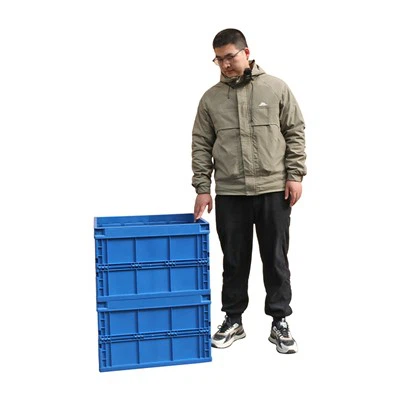
When it comes to the world of insect farming, mealworms have emerged as a popular choice for various reasons. As a dedicated Mealworm Tray supplier, I've witnessed firsthand the growing interest in mealworm cultivation, both for commercial and personal purposes. One question that often arises among farmers and enthusiasts is, "What are the effects of putting multiple trays of mealworms together?" In this blog post, we'll delve into the scientific aspects of this practice and explore its implications.


Environmental Considerations
Putting multiple trays of mealworms together can significantly impact the micro - environment within the breeding area. Mealworms are ectothermic organisms, which means their body temperature is regulated by the surrounding environment. When trays are stacked or placed closely, the heat generated by the mealworms' metabolic activities can accumulate. This increase in temperature can have both positive and negative effects.
On the positive side, a slightly elevated temperature can speed up the mealworms' metabolic rate. Faster metabolism often leads to quicker growth and development. Mealworms will consume food at a higher rate, which can potentially result in a shorter life cycle from egg to adult. This is beneficial for farmers looking to increase their production yield in a shorter period.
However, if the temperature rises too high, it can become detrimental. High temperatures can cause stress to the mealworms, leading to increased mortality rates. Additionally, excessive heat can also create a more humid environment. Mealworms are sensitive to humidity, and high humidity levels can promote the growth of mold and bacteria, which can contaminate the food source and harm the mealworms.
Social and Behavioral Effects
Mealworms are social insects to some extent. When multiple trays of mealworms are combined, it allows for more interaction among the individuals. This interaction can influence their behavior in several ways.
In a larger group, mealworms may exhibit more coordinated movement. They tend to move in a more organized manner, which can be an adaptation for foraging and avoiding predators. This coordinated movement can also enhance their ability to find food more efficiently. When food is distributed across a larger area due to the combination of multiple trays, the mealworms can work together to locate and consume it.
On the other hand, overcrowding can also lead to negative behavioral changes. In a densely packed environment, mealworms may become more aggressive towards each other. They may compete for limited resources such as food and space. This aggression can result in physical damage to the mealworms, including biting and cannibalism.
Nutritional and Feeding Dynamics
Combining multiple trays of mealworms can have a significant impact on the nutritional and feeding dynamics. With a larger number of mealworms in a confined space, the demand for food increases. This means that farmers need to ensure an adequate supply of food to meet the needs of the entire population.
If the food supply is insufficient, the mealworms may not receive all the necessary nutrients. This can lead to stunted growth, weakened immune systems, and lower overall quality of the mealworms. On the other hand, if too much food is provided, it can lead to food waste and an increase in the risk of mold growth.
Moreover, the type of food can also be affected. When multiple trays are combined, it may be necessary to adjust the diet to accommodate the larger group. For example, a more diverse diet may be required to ensure that all the mealworms receive a balanced nutrition.
Disease and Parasite Spread
One of the major concerns when putting multiple trays of mealworms together is the potential spread of diseases and parasites. When mealworms are in close proximity, any infected individuals can easily transmit diseases to others.
Bacterial and fungal infections are common in mealworm populations. These infections can spread rapidly in a crowded environment, especially if the conditions are humid and the ventilation is poor. Parasites such as mites can also infest the mealworms and spread quickly from one tray to another.
To prevent the spread of diseases and parasites, proper hygiene and management practices are essential. Regular cleaning of the trays, proper ventilation, and monitoring of the mealworms' health are crucial steps. Farmers should also isolate any infected trays immediately to prevent the spread of the problem.
Productivity and Yield
The overall productivity and yield of the mealworm farm can be affected by putting multiple trays together. As mentioned earlier, if the environmental conditions are optimized, the growth rate of the mealworms can increase, leading to a higher yield.
However, if the negative effects such as overcrowding, disease spread, and poor nutrition are not addressed, the productivity can decline. The quality of the mealworms may also be affected, which can impact their market value.
Farmers need to carefully balance the number of trays combined to ensure that the benefits outweigh the potential risks. This may involve conducting small - scale experiments to determine the optimal number of trays for their specific farming conditions.
Our Products for Mealworm Farming
As a Mealworm Tray supplier, we offer a range of high - quality products designed to support mealworm farming. Our Plastic Insect Breeding Trays BSF Farming are made from durable plastic materials that are easy to clean and maintain. These trays provide a suitable environment for mealworms to grow and thrive.
We also offer Black Soldier Fly Larvae Box and Black Soldier Fly Box which can be used in conjunction with mealworm trays. These products are designed to meet the specific needs of insect farming, ensuring that farmers can achieve the best results.
Conclusion
Putting multiple trays of mealworms together can have a wide range of effects, both positive and negative. It can impact the environment, behavior, nutrition, disease spread, and productivity of the mealworm farm. As a Mealworm Tray supplier, we understand the importance of providing farmers with the right tools and information to manage their mealworm populations effectively.
If you're interested in learning more about our products or have any questions about mealworm farming, we encourage you to contact us for a procurement discussion. We're here to help you make the most of your mealworm farming venture.
References
- Capinera, John L. "Encyclopedia of Entomology." Springer, 2008.
- Tomberlin, Jeffery K., et al. "Black Soldier Fly Biology and Ecology." Journal of Insect Science, 2002.
- Rumbos, A., and A. A. Athanassiou. "Population Growth and Development of the Mealworm, Tenebrio molitor L. (Coleoptera: Tenebrionidae), at Different Temperatures and Relative Humidities." Journal of Stored Products Research, 2017.